

Ford E-250 Econoline (1978-1983) A/C System O-Ring and Gasket Kit Guide
Stop A/C leaks and get your classic Econoline's air conditioning blowing cold again by replacing old, brittle seals.
- For a 1978-1983 E-250, you must use an aftermarket o-ring kit made of green HNBR material compatible with modern R-134a refrigerant.
- Replacing o-rings requires specialized equipment to evacuate and recharge the system; this is not a simple DIY job.
- Anytime the system is opened, you must also replace the accumulator/drier to protect the A/C system from moisture.
- If your air blows out the defrost vents when you accelerate, the problem is likely a separate vacuum leak, not the A/C seals.
Signs of Failing A/C O-Rings in Your Econoline
The seals in your A/C system are the most common source of leaks. Because your van was originally designed for R-12 refrigerant, the old black rubber o-rings are not fully compatible with the molecules and oils used with modern R-134a refrigerant, making leaks more likely after a conversion if they weren't replaced. Look for these signs:
- Weak or No Cooling: The most obvious symptom. As refrigerant leaks out, the system can't generate cold air.
- Compressor Cycling On and Off: If the system is low on refrigerant, a pressure switch will cause the compressor to turn on and off rapidly.
- Oily Residue on A/C Hoses: Refrigerant oil circulates with the refrigerant. A leak will leave a greasy, dirt-caked film on A/C lines and fittings.
- Hissing Sound: A hissing noise from the engine bay that stops shortly after you turn the engine off can indicate a significant leak.
A Note on Vacuum Leaks
A very common issue on older Ford vans is the A/C airflow switching to the defrost vents when you accelerate. This is typically caused by a leak in the engine's vacuum lines or a bad vacuum reservoir, not by failing o-rings. The A/C system uses vacuum to control the doors that direct airflow; when vacuum is lost, it defaults to defrost as a safety feature. This is a separate repair from sealing the refrigerant system.
Choosing the Right Aftermarket O-Ring Kit
For a vehicle from the 1978-1983 model years, new Original Equipment (OEM) parts from Ford are no longer available. You will be purchasing an aftermarket kit. The good news is that for a simple part like an o-ring kit, aftermarket options are affordable and get the job done.
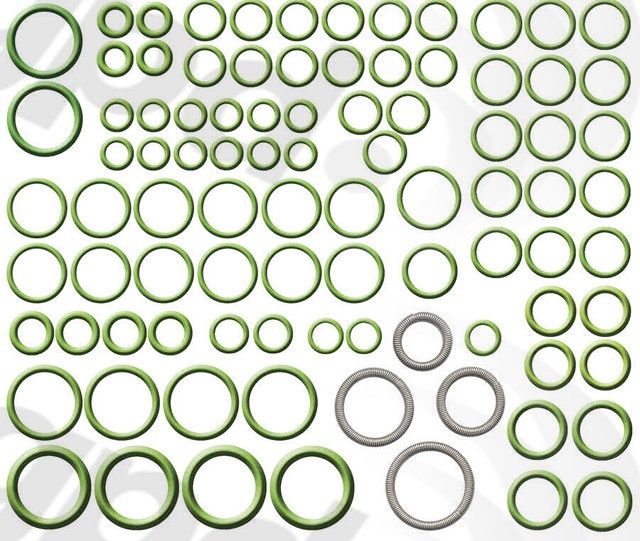
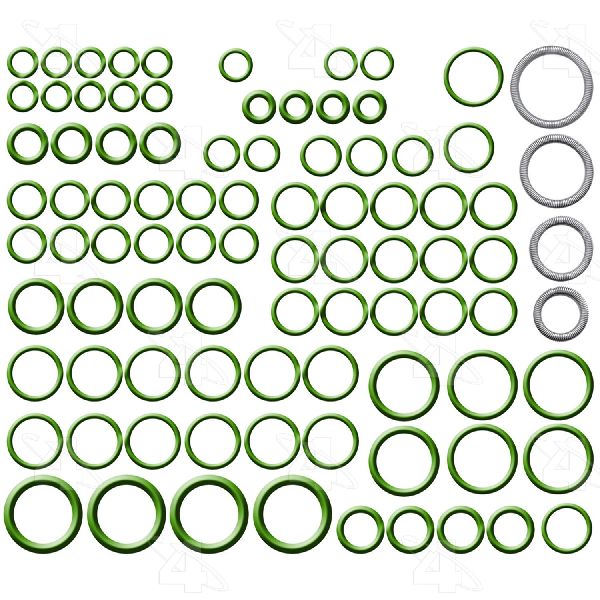
The most important factor is ensuring the kit is made from Hydrogenated Nitrile Butadiene Rubber (HNBR). This material is typically green and is designed to be compatible with modern R-134a refrigerant and its associated oils (PAG or Ester). Standard black rubber o-rings will quickly fail in a converted system.
- Brand Tiers: Brands like Four Seasons and Global Parts offer complete kits for your van. Four Seasons is a widely available brand with mixed reviews on more complex parts, but their seal kits are generally considered acceptable for completing a repair. The key is a complete kit with the correct sizes, made from the right material.
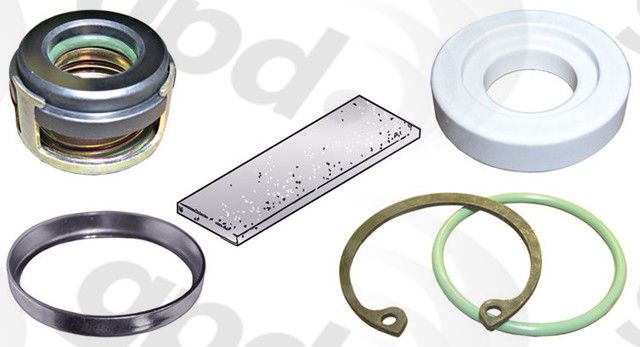
- Completeness: A good kit will include all the necessary seals for every connection in your specific van's A/C system. When you open the system, it is best practice to replace every seal, not just the one that is leaking.
Pro Tip: Replace More Than Just O-Rings
Anytime the A/C system is opened for repair, you MUST replace the receiver-drier or accumulator. This component contains a desiccant that absorbs moisture from the system. Once exposed to the atmosphere, it is saturated and can no longer protect your new components from corrosion. Failure to replace it can lead to premature failure of the entire system and will void the warranty on a new compressor.
Cost to Replace A/C O-Rings on a 1978-1983 E-250
While the parts are inexpensive, the labor is where the cost lies. The entire A/C system must be professionally evacuated, repaired, vacuum-tested, and recharged.
| Item | Estimated Cost |
|---|---|
| New Aftermarket O-Ring Kit | $19.59 - $23.74 |
| New Aftermarket Accumulator/Drier | $25 - $50 |
| Shop Labor & Refrigerant Service | $200 - $450 |
| Total Estimated Cost | $245 - $525 |
Note: Costs are estimates and can vary based on your location and the specific condition of your vehicle. This does not include the cost of a new compressor or other components if they have failed.
Frequently Asked Questions
Do I have to convert to R-134a refrigerant?
Yes. The original R-12 refrigerant is no longer produced for automotive use due to environmental regulations and is not available for service. All modern A/C work involves converting the system to R-134a, which requires specific oils and compatible seals.
Can I replace just the one o-ring that's leaking?
It is strongly recommended to replace all the o-rings and gaskets when the system is open. The seals are all the same age and have been exposed to the same conditions. If one has failed, others are likely to fail soon, which would require another expensive evacuation and recharge service.
Is this a DIY job?
This is not recommended for beginners. Handling refrigerant requires specialized equipment for recovery, evacuation, and recharging, and it is illegal to vent refrigerant into the atmosphere. While physically replacing the o-rings is simple, the overall process is best left to a professional or a highly experienced DIYer with the right tools.
What else should I check when I'm fixing the A/C?
When servicing the A/C, it's a good time to inspect the compressor clutch to ensure it engages properly, check for any damage to the condenser fins, and inspect the A/C hoses for cracks or chafing. If the compressor has failed, you must also flush the entire system to remove debris, a problem known as "Black Death."
Technical Specifications
Kit must contain HNBR (Hydrogenated Nitrile Butadiene Rubber) o-rings for R-134a compatibility.
We Have This Part in Stock

The information in this article is provided for general reference and educational purposes only. Vehicle specifications, procedures, and part compatibility can vary by production date, trim level, and region. Always consult your vehicle's factory service manual and verify part numbers before purchasing or performing repairs. Safety-critical components such as airbags, seat belts, and braking systems should be installed by a qualified professional.