

A Ford F-100 Owner's Guide to Universal Joints (1978-1983)
Address clunks, vibrations, and squeaks by understanding, selecting, and replacing the U-joints on your classic Ford truck.
- Listen for clunks when shifting, squeaks at low speeds, and vibrations at high speeds—these are the key symptoms of a bad U-joint.
- For maximum durability, choose a premium non-greasable brand like Spicer; for easier long-term maintenance on a working truck, a quality greasable joint from Moog or SKF is a good choice.
- Confirm the exact size and number of U-joints your truck needs before buying; front and rear driveshaft joints may be different sizes.
- DIY replacement is possible but requires a press or large vise; otherwise, budget for 2-3 hours of shop labor for a professional replacement.
Is Your F-100 Making Strange Noises? It Could Be the U-Joints.
The universal joints on your 1978-1983 Ford F-100 are tough, but they don't last forever. As they wear out, they cause distinct symptoms that can be felt and heard. Ignoring these signs can lead to more significant driveline damage or even a complete failure that leaves you stranded. Catching a bad U-joint early saves you from more expensive repairs down the road.
Symptoms of a Failing U-Joint
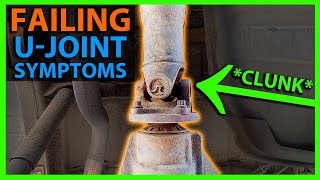
- Clunking or Ringing Noise: A loud "clunk" or metallic ringing sound when you shift from Drive to Reverse is a classic sign of a worn U-joint. This is caused by excessive play in the joint. 🎬 Watch: Hear what a failing Ford U-joint clunk sounds like.
- Vibrations: A vibration that you can feel through the floor or seats, which gets worse with speed, often points to a failing U-joint. This can sometimes be mistaken for a tire balance issue.
- Squeaking at Low Speeds: A rhythmic squeak, especially under 10 mph, often means a U-joint is dry and running without grease. The noise will be in time with the rotation of the driveshaft.
- Shudder on Acceleration: A shudder or shaking when you accelerate from a stop can be caused by a binding U-joint.
Known Issue: Driveline Clunk on 1981-1983 Models
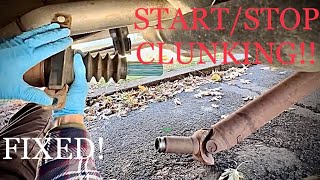
Ford issued a technical service bulletin (TSB) for some 1981-1983 F-100 trucks with automatic transmissions and one-piece driveshafts. A "clunk" or "grunt" noise during startup or stopping could be caused by the slip yoke binding, not necessarily the U-joint itself. The fix involved replacing the slip yoke with an updated part and applying special lubricant. While checking your U-joints, it's wise to inspect the slip yoke for this related issue.
🎬 See how to fix a driveline clunk by servicing the slip yoke.Choosing the Right Aftermarket U-Joint
Since new OEM U-joints for this generation of F-100 are generally not available, the aftermarket is your only option. The good news is that several reputable brands offer quality replacements. Your choice will come down to quality, price, and whether you prefer a greasable or non-greasable design.
Brand Tiers for Your F-100
Tier 1: Premium Quality (Often OEM Suppliers)
Brands: Dana/Spicer
Assessment: Spicer is widely considered the gold standard for U-joints and was often the original equipment manufacturer. They are known for their strength and durability, making them a top choice for trucks that are used for hauling or heavy work. Many owners prefer Spicer non-greasable joints for their superior strength.
Tier 2: Strong Aftermarket Contenders
Brands: Moog, SKF
Assessment: Moog is a well-known aftermarket brand with a reputation for good quality, though some users report a decline in recent years. They often feature greasable designs for easy maintenance. SKF is another strong choice, often mentioned alongside Spicer as a quality replacement.
Tier 3: Value & Performance-Focused
Brands: GMB, Yukon Gear
Assessment: GMB offers a good balance of quality and affordability and is a common replacement part. Yukon Gear is often geared towards performance and off-road applications, offering heavy-duty options that can be a good upgrade for modified trucks.
Greasable vs. Non-Greasable U-Joints
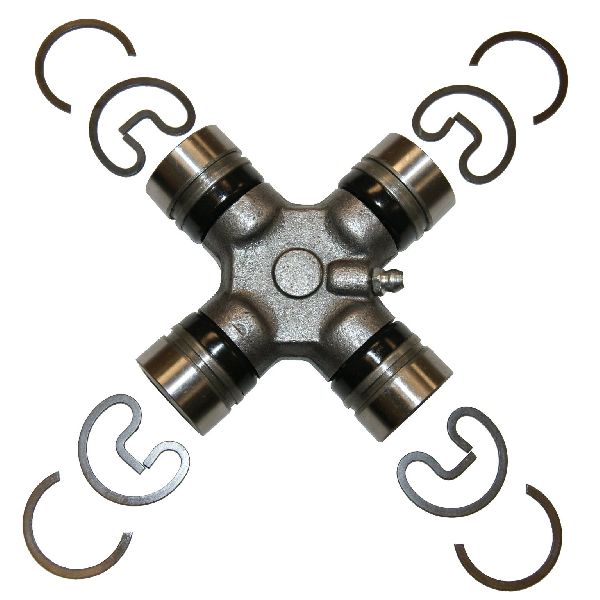
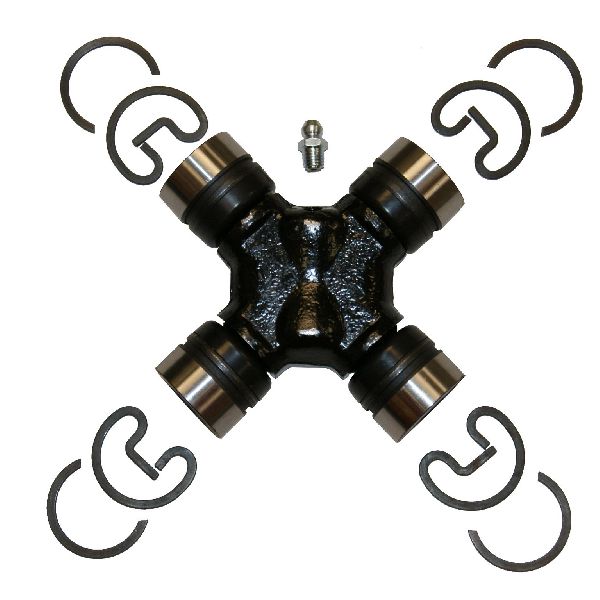
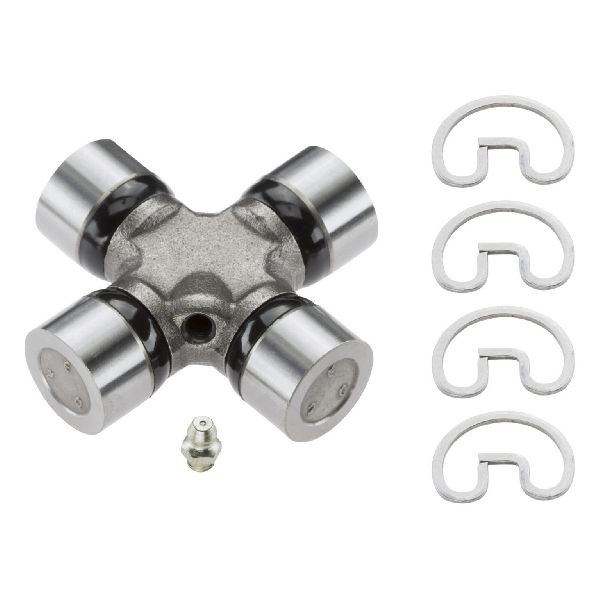
Non-Greasable (Sealed): These are generally stronger because the cross body isn't drilled for a grease channel. They are filled with high-quality grease at the factory and sealed. They are a "fit it and forget it" part, which is why many OEMs use them. Their lifespan depends entirely on the initial grease fill and the quality of the seals.
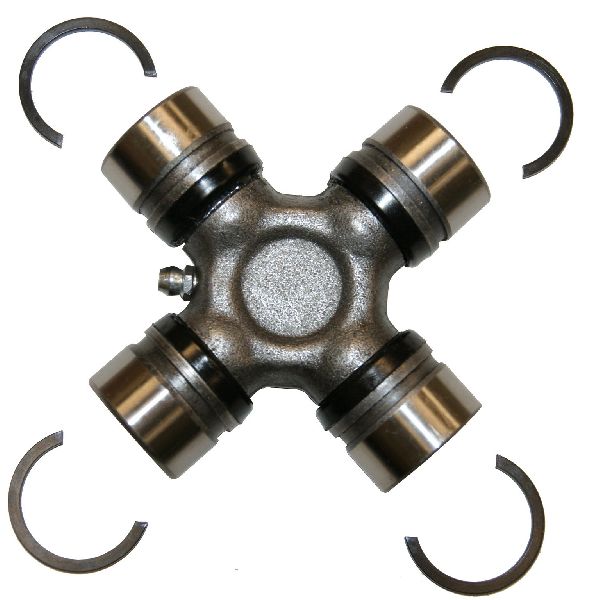
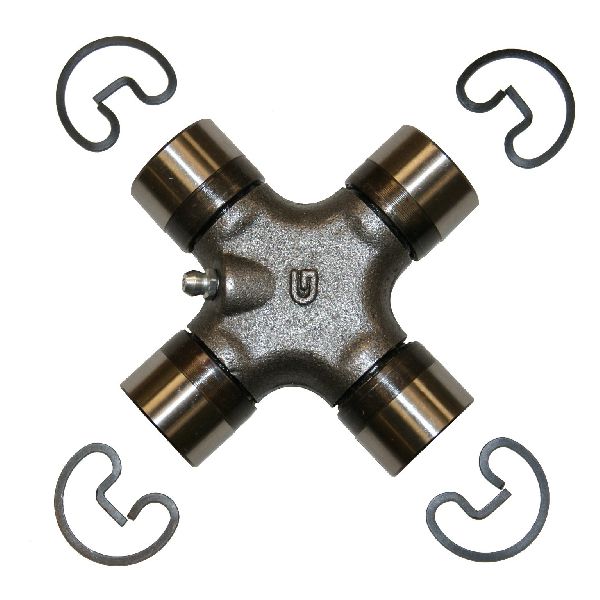
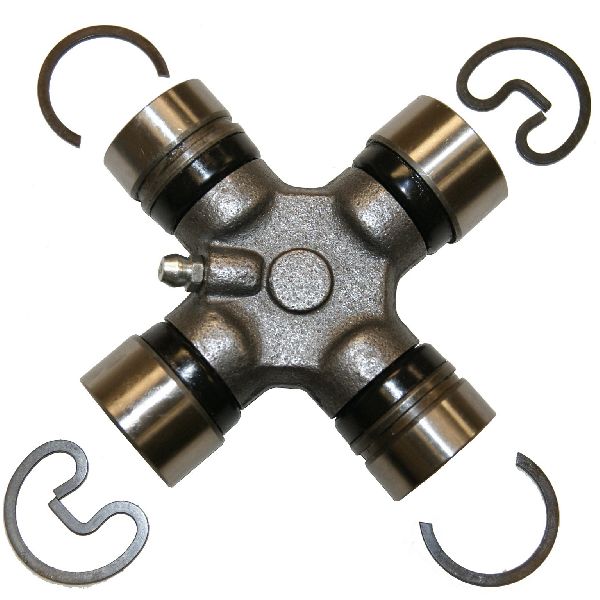
Greasable: These have a zerk fitting that allows you to add fresh grease periodically. This can flush out contaminants and extend the life of the joint, especially on trucks that see mud, water, or heavy use. However, they require regular maintenance, and the grease channel makes them slightly weaker than a solid, non-greasable joint. A greasable joint that is not regularly greased will fail much faster than a sealed one.
Frequently Asked Questions (FAQ)
How many U-joints does my 1978-1983 F-100 have?
Most 2WD models with a one-piece driveshaft have two U-joints. Long-wheelbase models may have a two-piece driveshaft with three U-joints and a center support bearing. 4WD models have these, plus two more U-joints in the front axle shafts (one at each wheel). Always inspect your specific truck to confirm the configuration.
Are the front and rear U-joints on the driveshaft the same?
Not always. On some F-100s, the U-joint at the differential is a different size (e.g., a 1330 series) than the one at the transmission (e.g., a 1310 series). It is critical to measure your old joints or use a part-specific lookup to ensure you buy the correct ones. Ordering two of the same part number without checking can lead to installation problems.
Can I replace a U-joint myself?
Yes, this is a DIY-feasible job for someone with mechanical experience. However, it requires tools like a large vise or a hydraulic press to remove the old joints and press in the new ones without damaging the driveshaft yoke. While it can be done with a hammer and sockets, 🎬 Watch this walkthrough for replacing U-joints and carrier bearings. there is a risk of damaging parts if not done carefully. If you are not comfortable with this, a repair shop can do the job relatively quickly.
Are there any recalls for F-100 U-joints?
No, there are no specific NHTSA recalls for universal joints on the 1978-1983 Ford F-100. A recall was issued for the 1983 model year related to the automatic transmission's parking pawl, but it did not involve the U-joints.
Helpful Videos
Technical Specifications
Common U-joint series for this truck include 1310 and 1330. It is crucial to measure the old part or verify fitment by application, as different configurations exist. Some 2WD models may use Moog part numbers 354 and 434, or 369 depending on the year and yoke. 4WD models will have additional U-joints in the front axle shafts.
We Have This Part in Stock

The information in this article is provided for general reference and educational purposes only. Vehicle specifications, procedures, and part compatibility can vary by production date, trim level, and region. Always consult your vehicle's factory service manual and verify part numbers before purchasing or performing repairs. Safety-critical components such as airbags, seat belts, and braking systems should be installed by a qualified professional.
- 🎬 Helpful Videos
- 🛍️ Shop This Part
- Is Your F-100 Making Strange Noises? It Could Be the U-Joints.
- Symptoms of a Failing U-Joint
- Known Issue: Driveline Clunk on 1981-1983 Models
- Choosing the Right Aftermarket U-Joint
- Brand Tiers for Your F-100
- Greasable vs. Non-Greasable U-Joints
- Frequently Asked Questions (FAQ)
- 🎟️ Get 5% Off