

Choosing a New Alternator for Your 1978-1983 Ford Fairmont
Keep your classic Fairmont's charging system running strong by understanding your replacement alternator options.
- The charging problem might be the external voltage regulator, not the alternator itself. Test it first.
- For a stock vehicle, a standard-output new alternator from a reputable brand like ACDelco or WAI Global is a reliable choice.
- Replacement is a simple, DIY-friendly job that typically takes about an hour with basic hand tools.
- No recalls or specific Technical Service Bulletins (TSBs) related to the alternator were found for this vehicle.
Is Your Fairmont's Alternator Failing?
An alternator rarely fails without warning. For a 1978-1983 Ford Fairmont, the simple electrical system usually makes problems easy to spot. If you notice any of these signs, it's time to inspect your charging system.
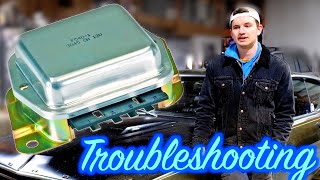
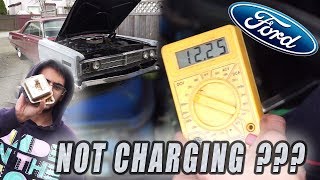
🎬 Watch this guide on troubleshooting externally regulated Ford alternators.- Dim or Flickering Headlights: One of the most common signs is your headlights and dashboard lights dimming, especially when the engine is at idle.
- Battery Warning Light: The 'ALT' or battery symbol on your dashboard may light up or flicker, indicating a charging problem. On these older Fords, if this light *doesn't* come on when you turn the key before starting, it could point to a problem in the warning light circuit itself, 🎬 Learn why this simple dashboard light step is crucial. which can prevent the alternator from charging.
- Weak or Dead Battery: A bad alternator can't recharge the battery, leading to hard starts or a car that won't start at all.
- Whining or Grinding Noises: Worn-out bearings inside the alternator can produce a distinct whining or grinding sound from the engine bay that changes with engine speed.
- Electrical Issues: Accessories like the radio or heater blower may work intermittently or not at all.
A Note on the Voltage Regulator
Many charging issues on these older Fords are not caused by the alternator itself, but by a faulty external voltage regulator. This separate, less expensive part can cause symptoms identical to a bad alternator, such as undercharging or overcharging the battery. It's wise to test the voltage regulator before replacing the entire alternator. 🎬 See how to test and fix your Ford voltage regulator. A healthy system should read between 13.5 and 14.5 volts at the battery when the car is running.
Choosing the Right Aftermarket Alternator
Since new Original Equipment (OEM) Ford parts for this era are virtually nonexistent, you will be choosing from aftermarket brands. Aftermarket parts can be just as good as the original, and sometimes better, but quality varies. Here’s how to think about your options.
Brand Quality Tiers
For a classic vehicle like the Fairmont, a reliable, standard-output alternator is usually all that's needed unless you have added significant electrical accessories like a powerful stereo system or extra lighting.
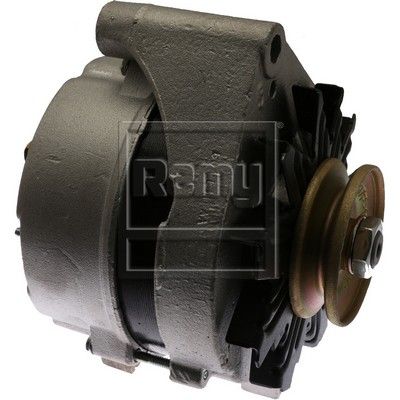
- Premium Brands (e.g., ACDelco, Remy): Brands like ACDelco and Remy (formerly Delco-Remy) have a long history and are generally considered high-quality choices for American vehicles. They offer new units that are respected for their reliability and often come with good warranties.
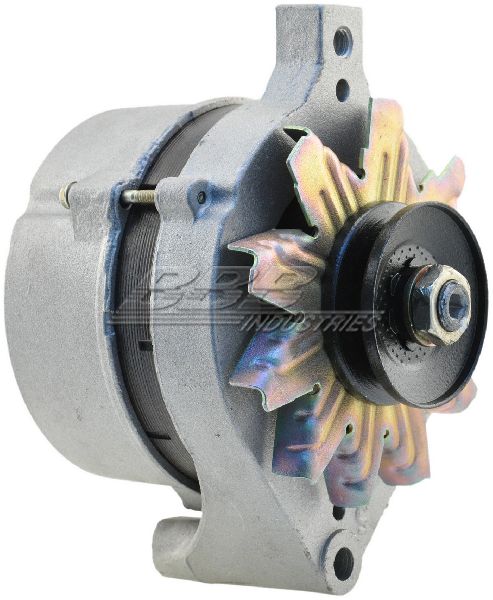
- Mid-Grade/Reliable Brands (e.g., WAI Global, BBB Industries): WAI is a U.S.-based company that manufactures new alternators and their components. BBB Industries is another quality supplier, often found under store brands like NAPA. These brands offer a solid balance of price and performance.
- Performance Brands (e.g., Proform): If you have upgraded your Fairmont with a powerful engine or added electronics, a high-output alternator from a brand like Proform might be necessary. For a stock vehicle, this is usually overkill.
- Economy Brands (e.g., USA Industries): These are typically the most affordable options. While they can get your car back on the road, their long-term durability may be less consistent than premium or mid-grade brands.
| Part Type | Estimated Cost |
|---|---|
| New Aftermarket | $45 - $281 |
| Remanufactured Aftermarket | $50 - $160 |
| Shop Labor | $100 - $180 |
Pro Tip: New vs. Remanufactured
New alternators are made with all-new components, while remanufactured units are rebuilt cores where worn parts are replaced. For a vehicle of this age, a quality new unit from a reputable brand like ACDelco or WAI Global often provides the best peace of mind and avoids the hassle of returning a core.
Frequently Asked Questions
Can I replace the alternator myself?
Yes, for most owners with basic tools. The alternator on a 1978-1983 Fairmont is typically easy to access. The process involves disconnecting the battery, removing the drive belt, unplugging the electrical connectors, and unbolting the unit. It's a straightforward job that usually takes about an hour.
Do I need a high-output alternator?
For a stock Fairmont, the answer is no. The original amperage is sufficient for the factory-equipped electronics. You only need a high-output alternator if you have added significant electrical loads, such as a high-wattage sound system, off-road lighting, or other power-hungry accessories.
What is an external voltage regulator and do I need to replace it?
The external voltage regulator is a small box, usually mounted on the firewall or inner fender, that controls the alternator's output to protect the battery from overcharging. Since it can cause the same symptoms as a bad alternator, it's a good idea to have it tested. If it's faulty, replacing it is much cheaper and easier than replacing the whole alternator.
Were there any recalls for the Fairmont's alternator?
No specific alternator recalls were found for the 1978-1983 Ford Fairmont after a search of the National Highway Traffic Safety Administration (NHTSA) database and other public records.
Helpful Videos

Technical Specifications
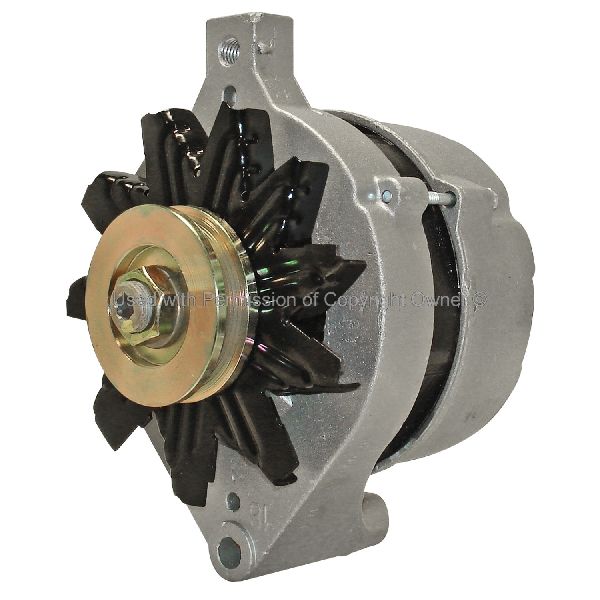
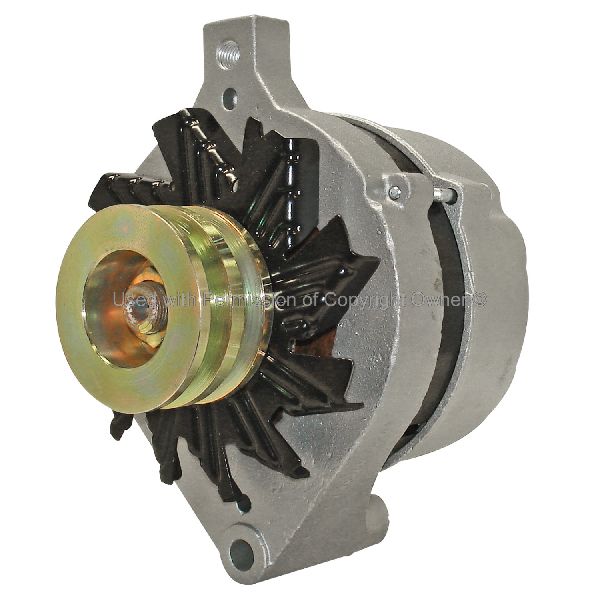
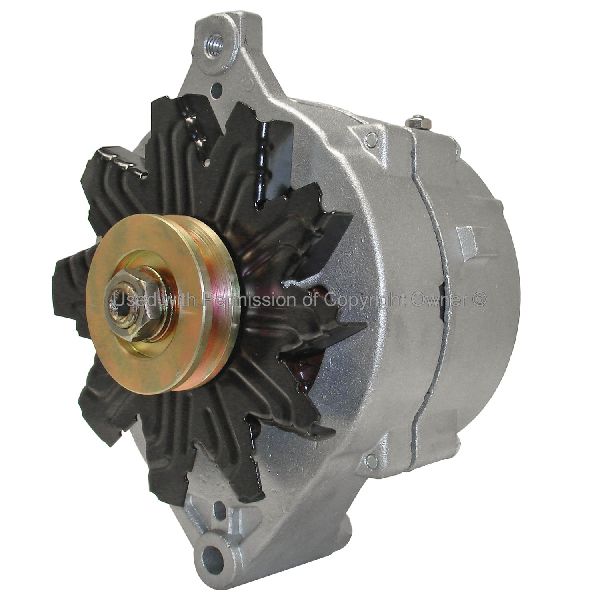
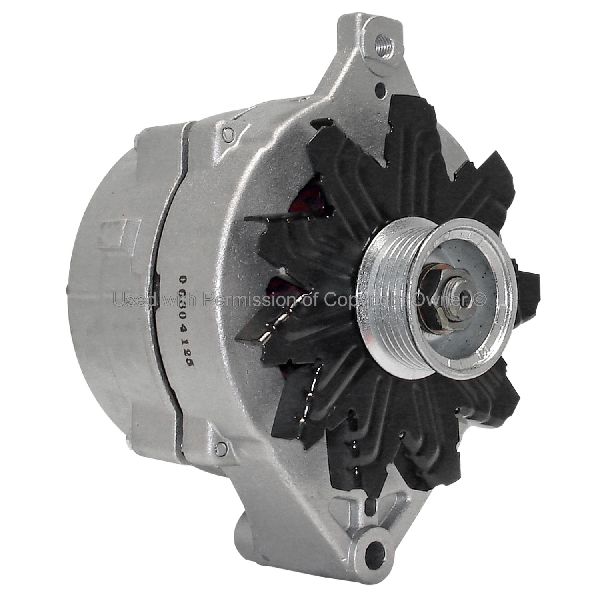
The 1978-1983 Ford Fairmont uses an externally regulated alternator. Standard output is typically between 55 and 70 amps, depending on the engine and factory options. It is driven by a V-belt system.
We Have This Part in Stock

The information in this article is provided for general reference and educational purposes only. Vehicle specifications, procedures, and part compatibility can vary by production date, trim level, and region. Always consult your vehicle's factory service manual and verify part numbers before purchasing or performing repairs. Safety-critical components such as airbags, seat belts, and braking systems should be installed by a qualified professional.