

Ford Fairmont Catalytic Converter: A Guide for 1978-1983 Models
If your classic Fairmont is losing power or smells like rotten eggs, your catalytic converter might be the culprit.
- Symptoms are physical, not electronic; watch for power loss, rattling, and a rotten egg smell.
- Aftermarket is the only realistic source for a new part; OEM is generally not available.
- Check local laws; many converters are not legal in CA, CO, NY, or ME.
- A direct-fit part is easier for DIY, but expect to deal with significant rust on a 40+ year old car.
Is Your Fairmont's Catalytic Converter Failing?
Since Fairmonts from this era don't have modern computer diagnostics, you can't rely on a check engine light to tell you there's a problem with the catalytic converter. Instead, you need to watch for physical symptoms. A failing converter can get clogged, restricting exhaust flow and choking the engine. It can also break apart internally, causing rattles and performance issues.
Symptoms of a Bad Catalytic Converter
- Sluggish Performance: The most common sign is a noticeable loss of power, especially when accelerating or climbing hills. The engine feels like it's struggling to breathe.
- Rotten Egg Smell: A distinct sulfur or rotten egg smell from the exhaust is a classic sign that the converter isn't properly processing exhaust gases.
- Rattling Noises: If the ceramic honeycomb inside the converter breaks apart, you may hear a rattling or metallic sound from under the car, especially on startup or when revving the engine.
- Poor Fuel Economy: When the engine has to work harder to push exhaust through a clog, it burns more fuel.
- Excessive Heat: A clogged converter can trap an extreme amount of heat, which you might feel from the floor of the car. In severe cases, the converter itself can glow red.
Check Your State's Laws
Many aftermarket catalytic converters are Federal (EPA) compliant, which are not legal for vehicles registered in California, Colorado, New York, or Maine. These states require specific CARB-compliant converters. Always verify the part you are buying is legal for use in your state.
Choosing the Right Aftermarket Converter
For a 1978-1983 Fairmont, a new aftermarket part is your most realistic option, as new OEM parts from Ford are generally unavailable. Aftermarket brands offer a range from budget-friendly to high-performance.
Brand Tiers
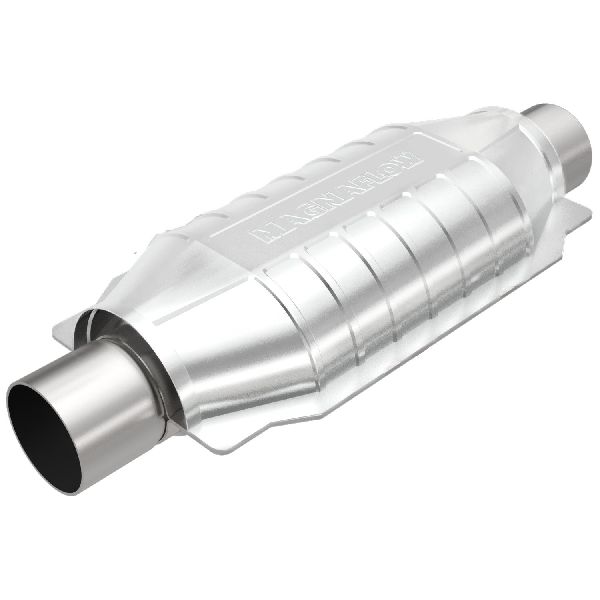
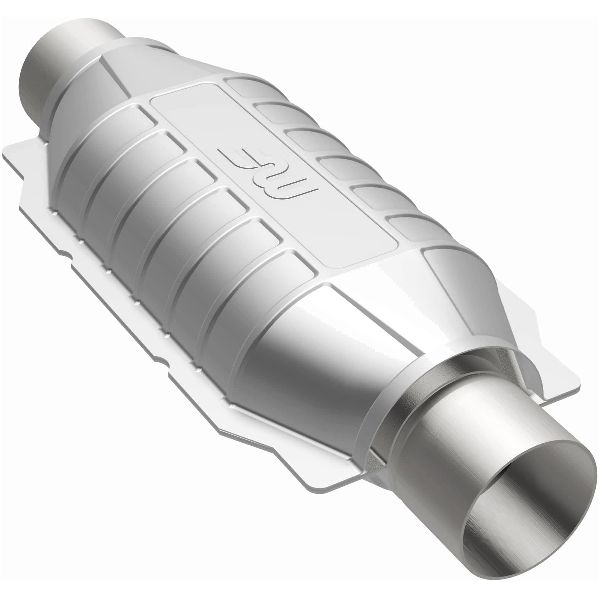
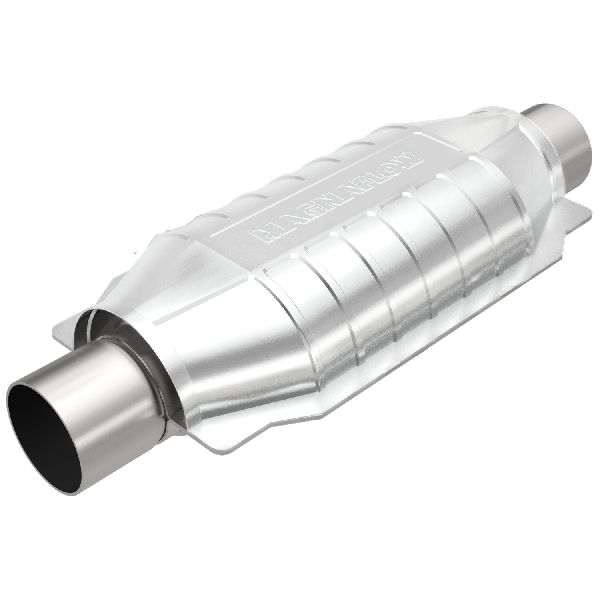
- Premium (MagnaFlow): Often considered a top-tier brand, MagnaFlow converters are typically made from stainless steel for better durability and are sometimes designed for higher exhaust flow. They are usually at the higher end of the price range but are a good choice if you plan to keep the car long-term.
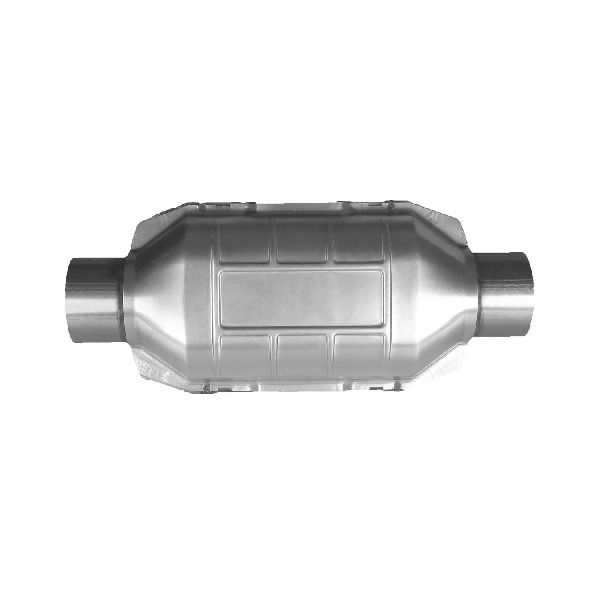
- Standard Replacement (Walker, AP Exhaust, Eastern Catalytic): Walker has a long-standing reputation as a reliable OEM-equivalent replacement, often praised for good fitment. AP Exhaust and Eastern Catalytic are generally more budget-friendly options. While affordable, some owners in forums have noted occasional fitment or long-term durability issues with economy brands.
Pro Tip: Before replacing your converter, make sure your engine is running well. An engine that misfires or leaks oil or coolant can send unburned fuel into the exhaust, which can quickly destroy a brand new converter.
Direct-Fit vs. Universal Converters
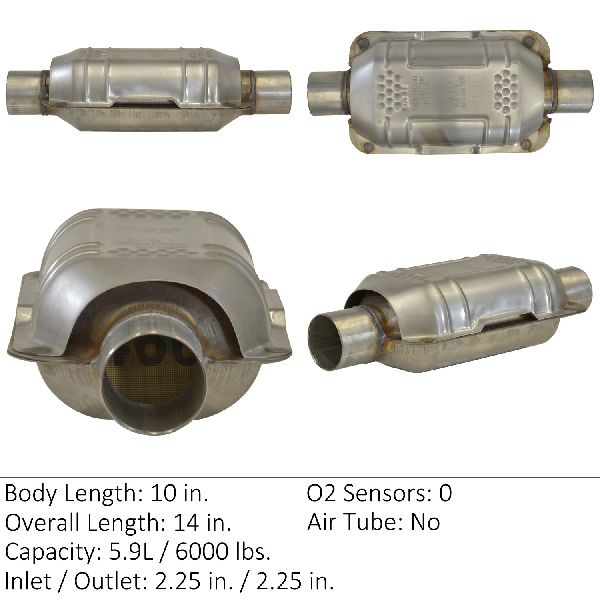
You will find both "Direct-Fit" and "Universal" converters for your Fairmont. A direct-fit model is designed to bolt right into the factory location without modifications. A universal converter is cheaper but will require cutting your existing exhaust pipes and welding the new part in place. For a DIY project, a direct-fit part is much easier, but be prepared for rusted bolts.
Cost of Replacing a Ford Fairmont Catalytic Converter
| Part Type | Estimated Cost |
|---|---|
| New Aftermarket Converter | $84 - $560 |
| Shop Labor | $150 - $300 |
| Total Estimated Cost | $234 - $860 |
Frequently Asked Questions
Can I install a new catalytic converter myself?
Yes, if you have the right tools and experience. The biggest challenge on a 40-year-old car will be rusted and seized exhaust bolts. You may need a torch and penetrating oil. If you choose a universal converter, you will also need to be able to safely cut and weld exhaust piping. If not, this job is best left to a professional.
Will a new converter improve my Fairmont's performance?
If your old converter was clogged, then yes, a new one will restore lost power and acceleration. However, simply replacing a functioning converter with a standard aftermarket one will not add horsepower. A high-flow performance model from a brand like MagnaFlow may offer a very slight improvement in exhaust flow.
Why are some converters so much more expensive than others?
The cost difference comes down to the amount of precious metals used inside (the catalyst), the material of the casing (stainless vs. aluminized steel), and whether it's a direct-fit or universal design. CARB-compliant converters are also significantly more expensive due to stricter standards and more robust construction.
Do I need an oxygen sensor with my new converter?
No. The 1978-1983 Ford Fairmont was built before the widespread use of oxygen sensors for monitoring catalytic converter efficiency. Aftermarket converters for this vehicle will not have ports for them.
Technical Specifications
Vehicle is Pre-OBDII. Converters are available in direct-fit or universal configurations and may be Federal (EPA) or CARB compliant. Most feature a stainless or aluminized steel body with a ceramic substrate. No oxygen sensor ports are required.
We Have This Part in Stock

The information in this article is provided for general reference and educational purposes only. Vehicle specifications, procedures, and part compatibility can vary by production date, trim level, and region. Always consult your vehicle's factory service manual and verify part numbers before purchasing or performing repairs. Safety-critical components such as airbags, seat belts, and braking systems should be installed by a qualified professional.
- 🛍️ Shop This Part
- Is Your Fairmont's Catalytic Converter Failing?
- Symptoms of a Bad Catalytic Converter
- Check Your State's Laws
- Choosing the Right Aftermarket Converter
- Brand Tiers
- Direct-Fit vs. Universal Converters
- Cost of Replacing a Ford Fairmont Catalytic Converter
- Frequently Asked Questions
- 🎟️ Get 5% Off