

Choosing the Right Spark Plugs for Your 1978-1983 Ford Fairmont
Keep your classic Fairmont running strong by understanding which spark plugs are right for its engine.
- Always check and adjust the spark plug gap before installation to match your Fairmont's specific engine.
- Motorcraft is the OEM brand and offers a reliable, factory-spec performance for a reasonable price.
- Standard copper plugs are inexpensive and work perfectly with the Fairmont's ignition system; platinum plugs offer longer life but may not improve performance.
- Consider replacing the distributor cap, rotor, and spark plug wires at the same time for a complete tune-up.
Symptoms of Failing Spark Plugs
Worn-out spark plugs can cause a number of noticeable engine problems. Because these symptoms can also point to other ignition issues, it's a good idea to inspect your plugs if you experience any of the following:
- Rough Idle: The engine may shake or sound uneven when the car is stopped.
- Engine Misfires: You might feel a hesitation or stumble from the engine, especially when accelerating.
- Poor Fuel Economy: If you're filling up the gas tank more often than usual, inefficient combustion from bad plugs could be the cause.
- Trouble Starting: Weak or fouled plugs can make it difficult for the engine to fire up, especially in cold weather.
- Reduced Power: The car may feel sluggish and slow to respond when you press the gas pedal.
Choosing the Right Aftermarket Spark Plug
For a vehicle like the 1978-1983 Fairmont, you have many excellent aftermarket spark plug choices. The original ignition system was designed for standard copper plugs, which remain a reliable and cost-effective option. Newer materials like platinum and iridium are also available and offer a longer lifespan.
Brand Tiers for Your Fairmont
OEM-Equivalent Brands:
- Motorcraft: This is Ford's original equipment brand. Choosing Motorcraft plugs ensures you are getting a part designed specifically for your Fairmont's engine, offering reliable performance and fit. They are an excellent choice for owners wanting to maintain original factory performance.
- Autolite: A long-standing American brand that offers direct-fit plugs. Many consider Autolite to be on par with Motorcraft for Ford vehicles.
Quality Aftermarket Brands:
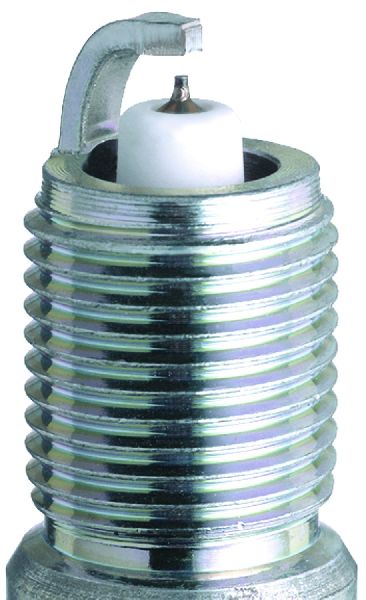
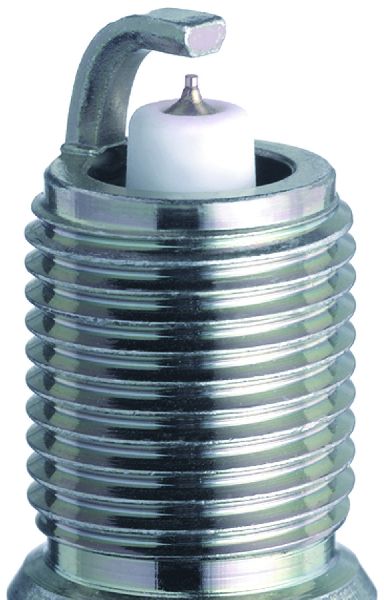
- NGK: A highly respected Japanese brand known for quality and durability. NGK's V-Power (copper) and G-Power (platinum) plugs are popular and reliable choices.
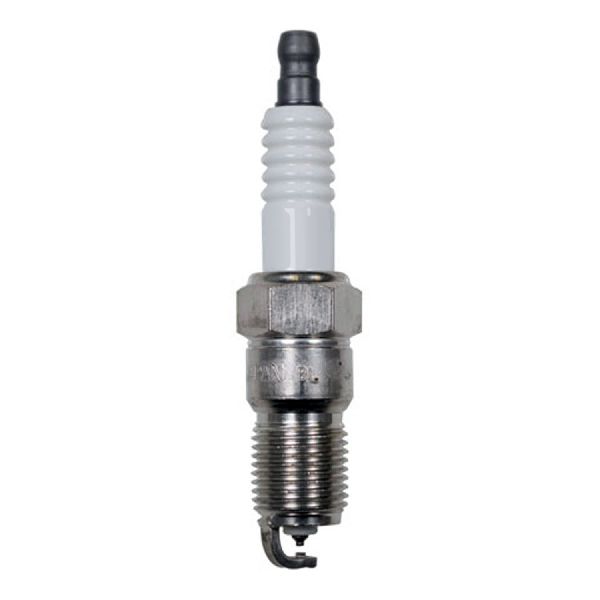
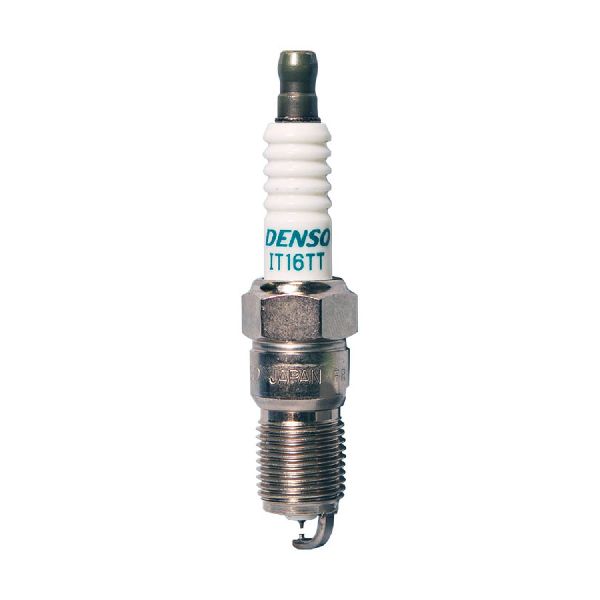
- Denso: Another top-tier Japanese manufacturer that produces high-quality plugs. Denso and NGK are often recommended by professional mechanics.
- Champion: An established brand that makes plugs well-suited for the engines of this era. Their standard Copper Plus plugs are a dependable option.
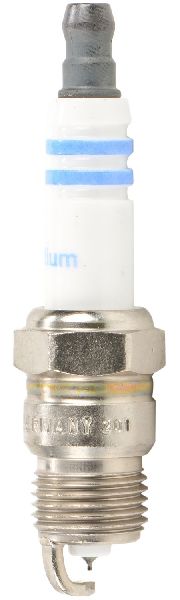
- Bosch: A German brand with a strong reputation, offering a range of copper and platinum plugs that fit the Fairmont.
Performance & Specialty Brands:
- Accel & MSD: These brands cater to the performance market. They may offer features like shorter plug bodies for better clearance with aftermarket exhaust headers. They are generally for modified engines and are not necessary for a stock vehicle.
Budget Brands:
- Skyward: This brand falls into the economy category. While functional, they may not offer the same lifespan or quality control as the more established brands listed above.
Spark Plug Material: Copper vs. Platinum
| Material | Pros | Cons | Best For |
|---|---|---|---|
| Copper | Excellent conductivity, low cost, works best with the Fairmont's original ignition system. | Shorter lifespan (typically need replacing every 20,000-30,000 miles). | Stock engines and owners who want original performance at a low price. |
| Platinum / Iridium | Much longer service life (60,000+ miles). Resists deposit buildup better over time. | Higher cost, may not offer a noticeable performance gain on an older, distributor-based ignition system. | Owners who prioritize longevity and want to replace plugs less frequently. |
A Note on Modern Ford Spark Plug Issues
You may have heard about spark plugs breaking during removal on modern Ford engines, particularly the 3-valve 4.6L and 5.4L V8s. This issue does NOT apply to the 1978-1983 Ford Fairmont. Your vehicle uses a completely different and more traditional engine and spark plug design that is not prone to this problem.
Frequently Asked Questions (FAQ)
What is the correct spark plug gap for my Fairmont?
The spark plug gap is critical and varies by engine. Always verify with the emissions sticker under your hood, but the generally accepted gaps are:
- 2.3L 4-Cylinder: 0.034 inches
- 3.3L 6-Cylinder: 0.050 inches
- 4.2L V8: 0.050 inches
- 5.0L V8: 0.044 - 0.054 inches. A setting of .050 is a common starting point.
Pro Tip: Always check the gap on new spark plugs before installing them, even if they are advertised as "pre-gapped." Use a feeler gauge or gapping tool to ensure they are correct for your specific engine.
How often should I change the spark plugs?
For standard copper spark plugs, a good interval is every 20,000 to 30,000 miles or every two to three years as part of a regular tune-up. If you opt for more expensive platinum or iridium plugs, you can extend that interval to 60,000 miles or more.
Should I use anti-seize on the spark plug threads?
This is a topic of debate. Some plug manufacturers, like NGK, advise against it because their plugs have a special plating that prevents seizing. If you do use anti-seize, use only a very small amount on the threads (not on the electrode) and reduce the final torque by about 10-15% to avoid over-tightening.
What else should I replace with my spark plugs?
Changing spark plugs is the perfect time to do a more complete ignition tune-up. For best results, consider also replacing the spark plug wires, distributor cap, and rotor. These parts wear out over time and a fresh set will ensure a strong spark gets to your new plugs.
Technical Specifications
OEM Part Numbers: ASF-42-C AGSF32PM SP-493 SP-486
Spark Plug Gap by Engine: - 2.3L I4: 0.034" - 3.3L I6: 0.050" - 4.2L V8: 0.050" - 5.0L V8: 0.044" - 0.054"
We Have This Part in Stock

The information in this article is provided for general reference and educational purposes only. Vehicle specifications, procedures, and part compatibility can vary by production date, trim level, and region. Always consult your vehicle's factory service manual and verify part numbers before purchasing or performing repairs. Safety-critical components such as airbags, seat belts, and braking systems should be installed by a qualified professional.