

Ford Fairmont Starter Motor: A Guide for the 1978-1983 Models
Solving the common 'click-no-start' issue in your classic Ford Fairmont.
- Always test the fender-mounted starter solenoid first; a single 'click' often points to this inexpensive part, not the starter.
- For stock engines, a quality standard replacement like ACDelco is a reliable choice.
- For modified engines or to solve heat soak problems, upgrade to a high-torque, gear-reduction mini-starter from a brand like Powermaster or MSD.
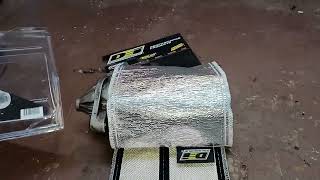
- Consider adding a starter heat shield wrap if your exhaust runs close to the starter; it's a cheap way to prevent failure.
Understanding Your Fairmont's Starting System
Before you replace your starter, it's important to understand how your 1978-1983 Ford Fairmont's starting system works. Unlike most modern cars, these vehicles use a 'divorced' or fender-mounted starter solenoid. This black, cylindrical component is usually found on the passenger-side inner fender wall. When you turn the key, this solenoid is the first thing to activate, sending the high-amperage current to the starter motor itself. A single, loud 'click' from the engine bay when you turn the key often points to a failure of this solenoid, not the starter motor. Always check this part and your battery connections first before condemning the starter.
Common Failure Symptoms
When your starter motor begins to fail, it will give you several warning signs. Recognizing them can prevent you from being stranded.
- Single Loud Click, Then Nothing: This is a classic symptom. While it can be the fender solenoid, it can also mean the starter motor itself is failing to engage. Power is reaching the starter, but the internal components are worn and can't turn the engine.
- Rapid Clicking Sound: A fast clicking or chattering noise usually indicates a weak or dead battery that doesn't have enough power to operate the starter. It can also be caused by corroded or loose battery cables.
- Slow or Labored Cranking: If the engine turns over very slowly, like the battery is weak (even when it's fully charged), the starter motor is likely wearing out and drawing too much power.
- Engine Won't Start When Hot (Heat Soak): A very common issue on these cars, especially if they have aftermarket exhaust headers. The starter gets so hot from the engine and exhaust that its internal resistance increases, preventing it from working until it cools down.
- Grinding Noise: A grinding or whirring sound during or after starting can mean the starter's gear (Bendix) is not engaging or disengaging with the engine's flywheel correctly.
No Recalls, But Known Issues
Searches of the National Highway Traffic Safety Administration (NHTSA) database show no specific recalls or technical service bulletins (TSBs) for the starter motor on the 1978-1983 Ford Fairmont. However, the issues of fender-solenoid failure and starter heat soak are widely documented by owners in automotive forums.
Choosing the Right Aftermarket Starter
For a vehicle of this age, new aftermarket starters are often superior to finding rare and expensive New Old Stock (NOS) parts. Modern starters are more efficient and powerful. Your choice depends on your car's setup.
Brand Tiers & Quality
Standard Replacement (For Stock Engines):
- ACDelco: While a GM-affiliated brand, their aftermarket starters are widely available and have a reputation for good quality and reliability at a fair price. They are an excellent choice for a daily driver or stock restoration.
- MPA, Proform: These brands offer direct-fit replacements that meet original specifications. They are a cost-effective solution for getting a standard vehicle back on the road.
High-Torque & Performance (For Modified Engines or to Combat Heat Soak):
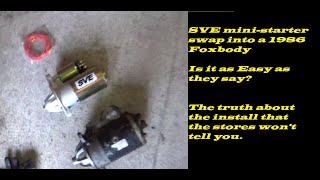
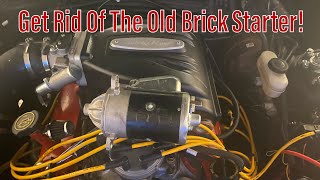
- Powermaster, MSD: These brands specialize in high-performance starters. They are often smaller, lighter "mini-starters" that use a gear-reduction design to produce more cranking torque with less electrical draw. This makes them ideal for engines with higher compression or for solving chronic heat soak problems.
- Ford Performance, Mr. Gasket: These brands also offer upgraded, high-torque starters designed for the performance market, providing more power and durability than stock units.
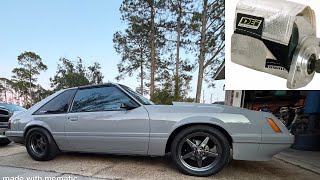
Pro Tip: If you are experiencing heat soak, consider a high-torque mini-starter or a starter heat shield blanket. 🎬 See how to install a heat shield to fix heat soak. These inexpensive wraps can protect the starter from exhaust heat and significantly extend its life.
| Part Type | Price Range |
|---|---|
| Standard Replacement Starter | $84 - $150 |
| High-Torque / Performance Starter | $170 - $392 |
Frequently Asked Questions
Is the starter solenoid on the starter or the fender?
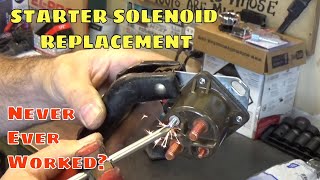
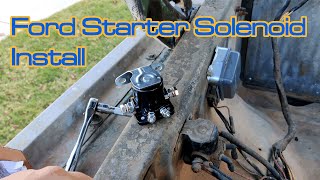
On all 1978-1983 Ford Fairmonts, the main starter solenoid (or relay) is located on the inner fender, not on the starter motor itself. A single 'click' with no crank is very often a failure of this part, which is much cheaper and easier to replace than the starter. 🎬 Watch this quick guide on replacing the fender-mounted solenoid. Always check it first.
What is a 'mini-starter' and do I need one?
A mini-starter, often sold by brands like Powermaster or MSD, is a modern, more compact gear-reduction starter. It provides more cranking power with less weight and a smaller size. You might need one if you have a high-compression engine that's hard to turn over, or if you have persistent heat soak issues that a stock starter can't overcome.
Why does my car only have trouble starting when it's hot?
This is a classic case of 'heat soak'. Heat from the exhaust manifold radiates onto the starter motor, increasing its electrical resistance. When this happens, the starter can't draw enough power to turn the engine over. Solutions include installing a heat shield, upgrading to a high-torque starter that is less affected by heat, or ensuring your battery cables are in perfect condition.
Can a bad starter drain my battery?
Yes. A failing starter with worn components can have a short circuit, causing a parasitic drain that can kill your battery overnight. More commonly, a starter that is failing will draw excessive amounts of current while cranking, which can strain the battery and make it seem weak.
Helpful Videos
Technical Specifications
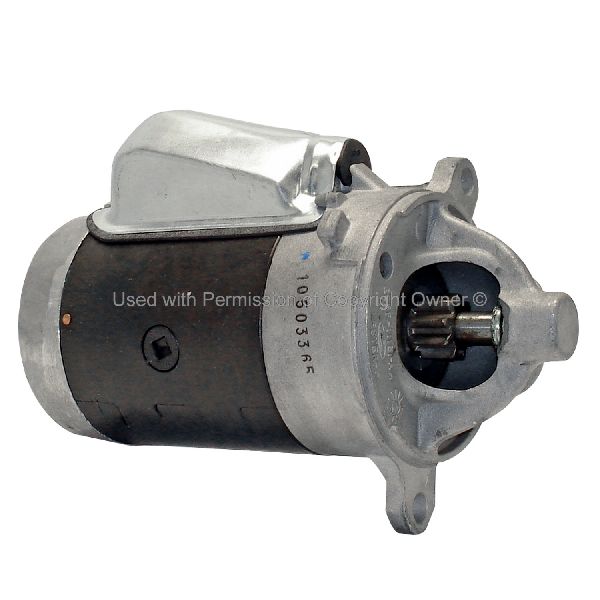
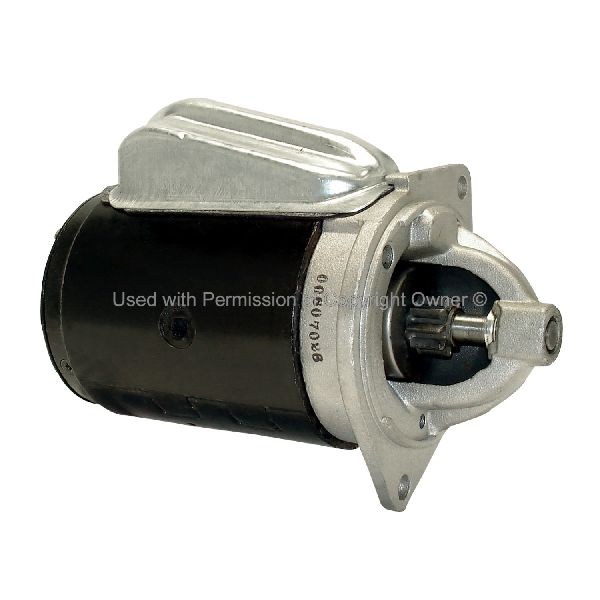
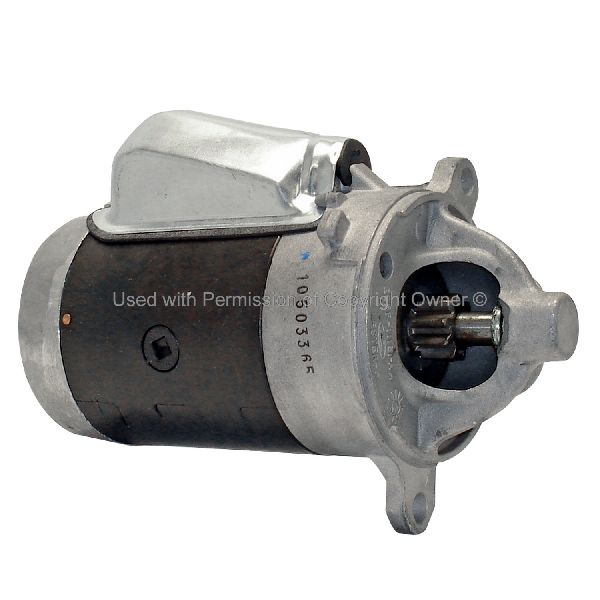
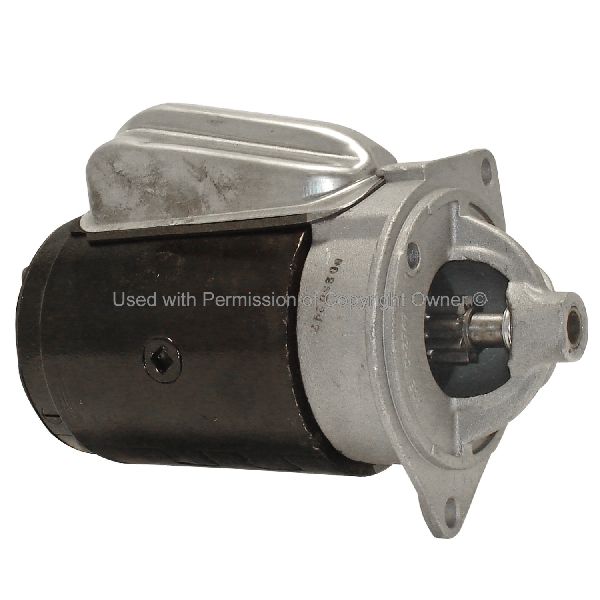
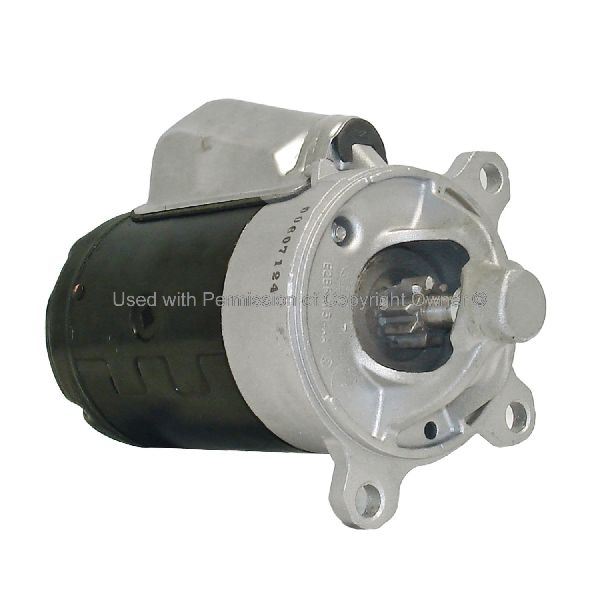
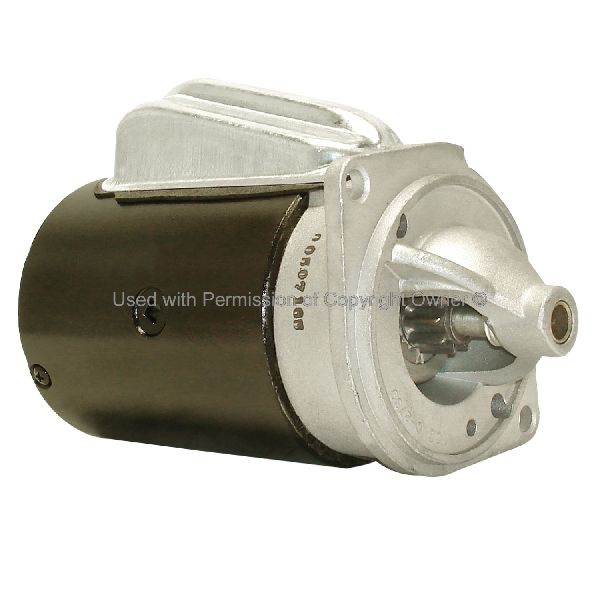
This vehicle uses a fender-mounted starter solenoid system. The starter motor itself does not have an integrated solenoid. Starters are available for both automatic and manual transmissions, with compatibility dependent on the flywheel/flexplate tooth count (typically 157-tooth or 164-tooth for V8 models). Always verify the tooth count and transmission type when ordering.
We Have This Part in Stock

The information in this article is provided for general reference and educational purposes only. Vehicle specifications, procedures, and part compatibility can vary by production date, trim level, and region. Always consult your vehicle's factory service manual and verify part numbers before purchasing or performing repairs. Safety-critical components such as airbags, seat belts, and braking systems should be installed by a qualified professional.