

Engine Coolant Temperature Sensor for the 1978-1984 BMW 633CSi
Understanding this critical sensor is key to keeping your classic 633CSi running smoothly and avoiding common performance issues.
- The 633CSi has two main coolant sensors; ensure you are replacing the two-prong sensor for the ECU, not the one for the gauge.
- Symptoms of failure include poor fuel economy, black smoke, rough idle, and potential overheating.
- For the sensitive Motronic system, choosing a quality aftermarket brand like Beck Arnley or Standard Ignition is a safer bet than a budget brand.
- Always inspect the plastic electrical connector for brittleness or damage, as it may also need replacement.
Understanding the Two Coolant Sensors
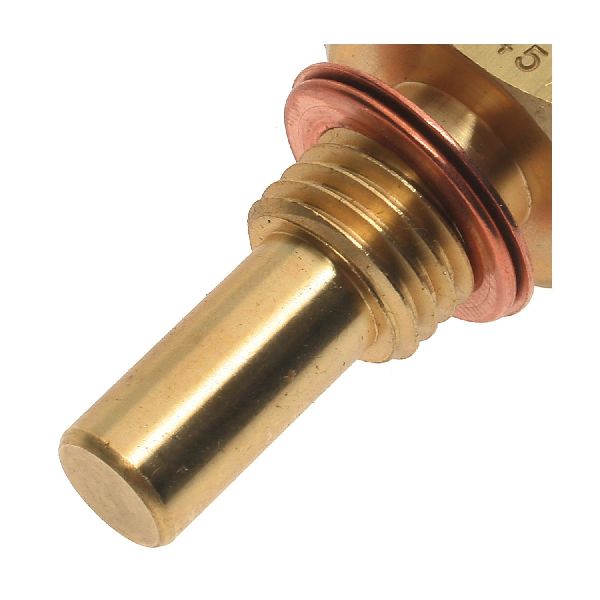
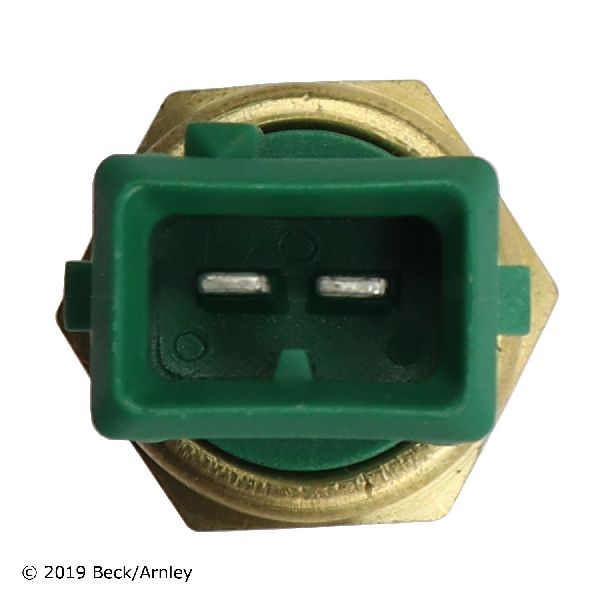
On the M30 engine in your 633CSi, there are typically two sensors related to coolant temperature located on the thermostat housing. One sensor sends temperature information to the gauge on your dashboard. The other, the Engine Coolant Temperature (ECT) sensor, sends its signal directly to the fuel injection computer (ECU). This article focuses on the ECT sensor for the ECU, which is a two-prong sensor that directly affects how your engine runs.
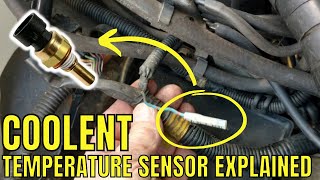
🎬 Watch this video to learn how coolant temperature sensors work.Symptoms of a Failing ECT Sensor
A bad ECT sensor can cause a range of problems because it sends incorrect information to the engine's computer. If the sensor fails and tells the computer the engine is always cold, the computer will continuously supply a rich fuel mixture. This leads to poor fuel economy, black smoke from the exhaust, and can foul spark plugs. Conversely, if the sensor incorrectly tells the computer the engine is always hot, it can lead to hard starting, rough idling, and poor overall performance. In some cases, a faulty sensor can also prevent the electric cooling fan from turning on, leading to overheating.
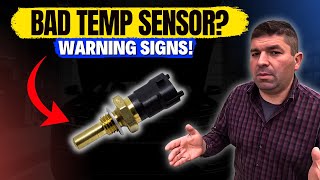
🎬 See a detailed breakdown of bad coolant sensor symptoms.A Note on Early Motronic Systems
The 1978-1984 633CSi uses an early version of the Bosch Motronic fuel injection system. This system is sensitive to the correct sensor inputs. Using the wrong specification of sensor can cause persistent running issues like a surging idle or a very rich fuel mixture that are difficult to diagnose.
Choosing the Right Aftermarket Part
For a classic vehicle like the E24 633CSi, finding original BMW parts can be difficult and expensive. Aftermarket sensors are a practical and widely available alternative. They can be grouped into different quality tiers.
Brand Quality Tiers
- Premium Brands: These brands are often original equipment (OE) suppliers to BMW or have a long-standing reputation for producing high-quality parts that meet or exceed OE specifications. For European vehicles, brands like Bosch and Hella are often considered top-tier.
- Quality Standard Brands: These brands offer a good balance of quality and affordability. They are a reliable choice for most repairs.
- Beck Arnley: This brand sources parts from a global network of manufacturers, often aiming to provide a part that matches the original equipment in form and function. Their quality can be consistent, but it's good to verify the part upon arrival.
- Standard Ignition (SMP): A well-known aftermarket manufacturer that produces a wide range of engine management components. They are generally considered a reliable mid-tier option.
- Economy Brands:
- True Tech: Often a private-label or store brand, these parts are designed to be a budget-friendly solution. While they can work, their long-term durability and the precision of their temperature readings might not match higher-tier brands. For a sensitive system like the early Motronic, sticking with a known quality brand is often recommended by enthusiasts.
Pro Tip: Inspect the Connector
After decades of heat cycles, the plastic electrical connector for the ECT sensor can become brittle and crack. Before ordering your new sensor, carefully inspect the connector and its wiring. If it's damaged, you will need to source a replacement connector pigtail to ensure a solid connection.
Estimated Replacement Costs
| Part Type | Estimated Cost |
|---|---|
| New OEM (if available) | $50 - $85 |
| New Aftermarket | $26 - $32 |
| Shop Labor | $75 - $150 |
Frequently Asked Questions
Can I replace the ECT sensor myself?
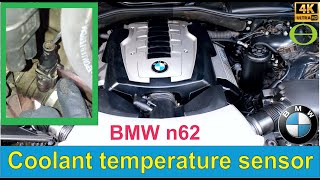
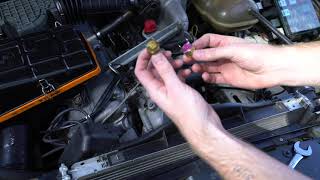
Yes, this is a straightforward job for a DIY mechanic. The sensor is located on the thermostat housing at the front of the engine. The process involves allowing the engine to cool completely, placing a rag underneath to catch minor coolant spillage, unplugging the electrical connector, and using a deep socket wrench to unscrew the old sensor. Install the new sensor with its new washer, but do not overtighten. 🎬 Follow this step-by-step guide to replacing your M30 sensor. Reconnect the electrical plug and top off any lost coolant.
Is there a recall on the ECT sensor for the 1978-1984 BMW 633CSi?
A search of the National Highway Traffic Safety Administration (NHTSA) database shows no specific recalls for the engine coolant temperature sensor on this vehicle. All recalls for this classic model would have been issued many years ago.
What is the difference between the sensor for the gauge and the sensor for the ECU?
They have different functions and internal resistances. The sensor for the dashboard gauge is a sender, designed only to move the needle in the instrument cluster. The sensor for the ECU provides precise temperature data that the computer uses for fuel and timing calculations. They are not interchangeable. For the 633CSi, the ECU sensor is typically blue or white and has two prongs.
What happens if I ignore a bad ECT sensor?
Ignoring a faulty ECT sensor can lead to several issues. You will likely experience poor fuel economy and performance. If the engine runs too rich for too long, you can damage the catalytic converter and foul spark plugs. If the sensor fails to trigger the cooling fan, you risk severe engine damage from overheating.
Helpful Videos
Technical Specifications
OEM Part Numbers: 13621357414 12631279719 12631279716
Connector Type: 2-Prong FI Type Connector. Location: Thermostat Housing.
We Have This Part in Stock


The information in this article is provided for general reference and educational purposes only. Vehicle specifications, procedures, and part compatibility can vary by production date, trim level, and region. Always consult your vehicle's factory service manual and verify part numbers before purchasing or performing repairs. Safety-critical components such as airbags, seat belts, and braking systems should be installed by a qualified professional.