

Choosing the Right Spark Plugs for Your 1978-1984 BMW 633CSi
Keep your classic BMW's M30 engine running smoothly with the correct set of spark plugs.
- For the best performance in a stock M30 engine, use standard copper or nickel spark plugs from reputable brands like Bosch or NGK.
- Properly gapping the spark plugs before installation is critical for engine performance; the gap should be between .024" and .032" depending on the specific model year.
- Spark plug replacement is a simple, low-cost DIY job that can be done in under an hour with basic tools.
- Symptoms like rough idle, poor acceleration, and decreased fuel economy are strong indicators that your spark plugs may need replacement.
Symptoms of Failing Spark Plugs
When spark plugs wear out, they can't create a strong enough spark to consistently ignite the fuel mixture. This can lead to a range of noticeable problems. You might feel the engine stutter or hesitate, a condition known as a misfire. Other common signs include a rough or shaky idle, poor acceleration, difficulty starting the engine, and a noticeable drop in fuel economy. If left ignored, fouled spark plugs can even lead to damage to other components, like the catalytic converter.
Choosing the Right Aftermarket Spark Plugs
The M30 engine in the 1978-1984 633CSi was designed in an era before modern, long-life iridium or platinum plugs were common. For a stock engine, standard nickel or copper spark plugs are often the best choice, and they are typically the most affordable.
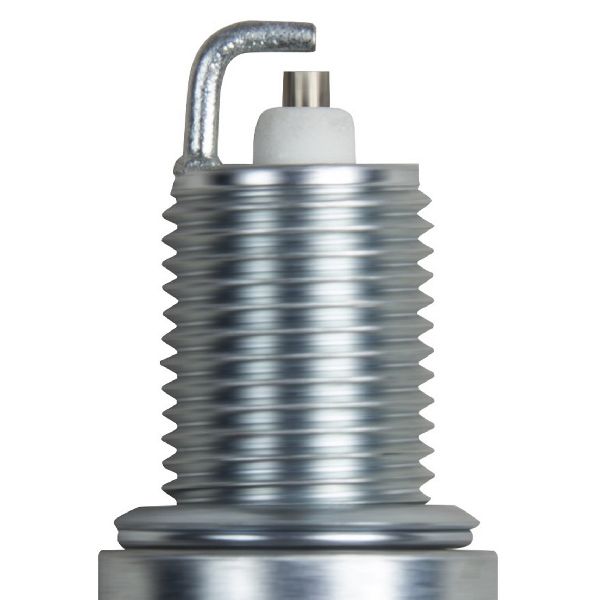
Good Tier (Standard Replacement): Brands like Autolite and Champion offer reliable copper plugs that perform well in the M30 engine. They are a cost-effective choice but may need to be replaced more frequently, typically every 15,000 to 30,000 miles.
Better Tier (OEM-Recommended): Bosch and NGK are legendary German and Japanese brands, respectively, and are often the original equipment manufacturer (OEM) for BMW. Many BMW enthusiasts prefer to stick with these brands for their proven quality and compatibility. The Bosch WR9LS and NGK BP5ES are common recommendations for this vehicle.
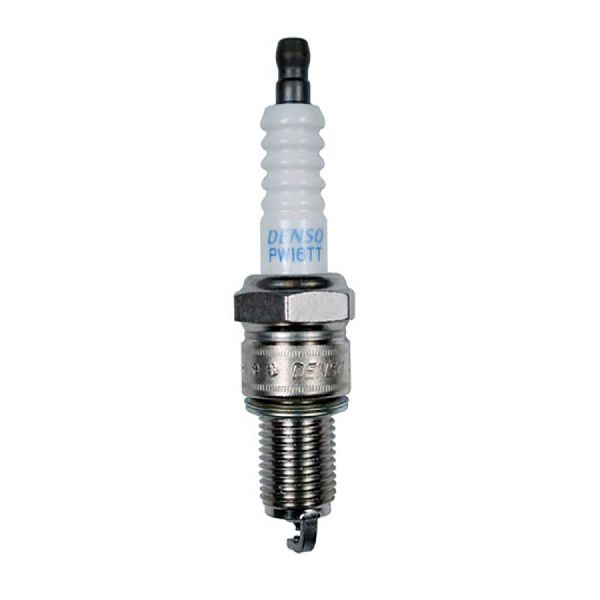
Best Tier (High Performance/Long Life): While brands like Denso, NGK, and Bosch offer advanced iridium and platinum plugs that last much longer (up to 100,000 miles), they may not provide a noticeable performance benefit in a stock M30 engine. These are a good option if you want to extend the time between changes, but standard copper or nickel plugs from Bosch or NGK will deliver excellent performance.
A Note on Plug Materials
For your classic 633CSi, it's often best to stick with the spark plug technology it was designed for: copper or nickel. While more expensive iridium plugs offer a longer service life, they won't necessarily improve performance on this vintage engine and can sometimes cause minor running issues if the ignition system isn't designed for them.
Known Issues, Recalls, or TSBs
There are no specific recalls or Technical Service Bulletins (TSBs) from the National Highway Traffic Safety Administration (NHTSA) related to spark plugs for the 1978-1984 BMW 633CSi. Any issues with spark plugs are typically due to normal wear and tear or improper installation. Searches for recalls on vehicles of this age did not yield any relevant results for this specific part.
Frequently Asked Questions (FAQ)
How often should I change the spark plugs on my 633CSi?
For standard copper or nickel plugs, a good interval is every 15,000 to 30,000 miles, or every 2-3 years. If you opt for platinum or iridium plugs, you can extend this to 60,000 miles or more, but always check for signs of wear.
What is the correct spark plug gap for a 1978-1984 633CSi?
The correct spark plug gap can vary slightly by year. For 1980-1981 models, the recommended gap is .024” - .028” (0.6 – 0.7 mm). For 1982–1984 models, it is .028” - .032” (0.7 – 0.8 mm). Always verify the correct specification for your vehicle and use a gapping tool to set the gap before installation.
Is it better to use OEM BMW plugs or aftermarket ones?
OEM BMW spark plugs are typically made by Bosch or NGK. You can get the same quality by buying plugs directly from these brands, often at a lower cost than the BMW-branded parts. As long as you choose a reputable brand like Bosch, NGK, or Denso, aftermarket quality is excellent and can be trusted.
Do I need special tools to change the spark plugs?
You will need a ratchet with an extension and a spark plug socket (typically 21mm or 13/16" for this car). A torque wrench is highly recommended to ensure you tighten the plugs to the correct specification (usually around 28 Nm or 20-22 ft-lbs) to avoid damaging the engine's cylinder head. You will also need a gapping tool to set the plug gap correctly.
Technical Specifications
OEM Part Numbers: 12121279599 12121469531
Socket Size: 21mm (13/16"); Thread Size: M14x1.25; Gap (1980-81): 0.6-0.7mm; Gap (1982-84): 0.7-0.8mm
We Have This Part in Stock

The information in this article is provided for general reference and educational purposes only. Vehicle specifications, procedures, and part compatibility can vary by production date, trim level, and region. Always consult your vehicle's factory service manual and verify part numbers before purchasing or performing repairs. Safety-critical components such as airbags, seat belts, and braking systems should be installed by a qualified professional.