

Dodge Challenger Spark Plug Replacement Guide (1978-1984)
Keep your classic Challenger's Mitsubishi engine running smoothly with the right set of spark plugs.
- This Challenger generation uses Mitsubishi engines, making Japanese brands like NGK and Denso excellent aftermarket choices.
- Standard, inexpensive copper spark plugs from brands like Champion or Autolite work very well and are often all that is needed for a stock engine.
- Always verify the spark plug gap with a wire-style tool before installation, as the correct gap is crucial for performance.
- Symptoms of failure include rough idle, poor acceleration, and difficulty starting the engine.
Understanding Spark Plug Failure in Your Challenger
Worn-out spark plugs can cause a number of noticeable problems. Since these components are critical for igniting the fuel in your engine, any decline in their performance directly impacts how your car drives. If you experience a rough idle, engine hesitation, or a general lack of power, failing spark plugs are a likely culprit. You may also notice your fuel economy getting worse or have trouble starting the engine, especially when it's cold.
Don't Ignore Misfires
A flashing check engine light would normally indicate a severe misfire, but your Challenger predates this technology. If you feel consistent shaking or hesitation, unburned fuel can pass through the engine and damage other exhaust components. It's best to address failing spark plugs promptly.
Choosing the Right Aftermarket Spark Plugs
The 1978-1984 Dodge Challenger was built by Mitsubishi in Japan and features either a 1.6L or 2.6L four-cylinder engine. This is important because Japanese brands like NGK and Denso are often the top choice for these motors and were likely the original equipment. While modern Mopar parts are not available, today's aftermarket plugs from reputable brands easily meet or exceed the original 1980s specifications.
Brand Tiers for Your Challenger
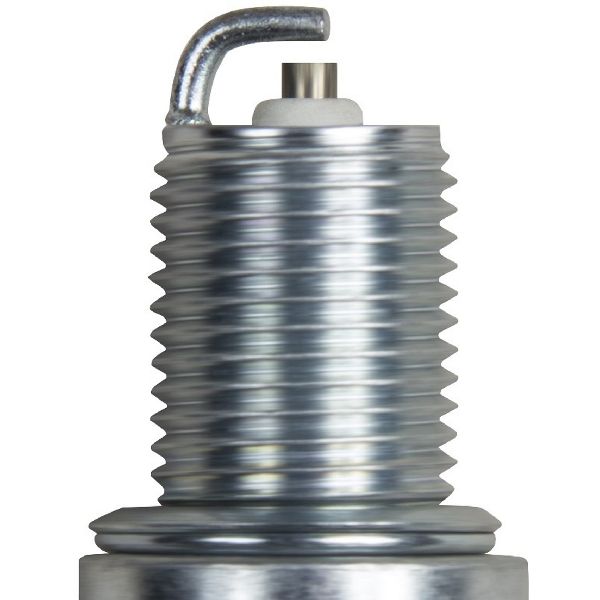
- Value Tier (Good): Standard copper plugs from brands like Autolite and Champion are excellent, budget-friendly choices. These engines were designed for copper plugs, and they perform very well. They have a shorter lifespan but are inexpensive and provide a strong, reliable spark.
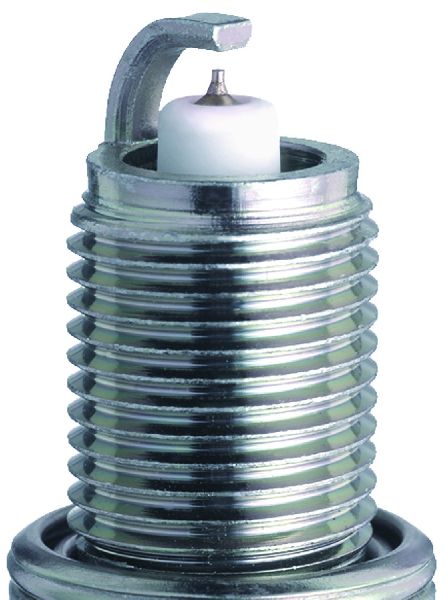
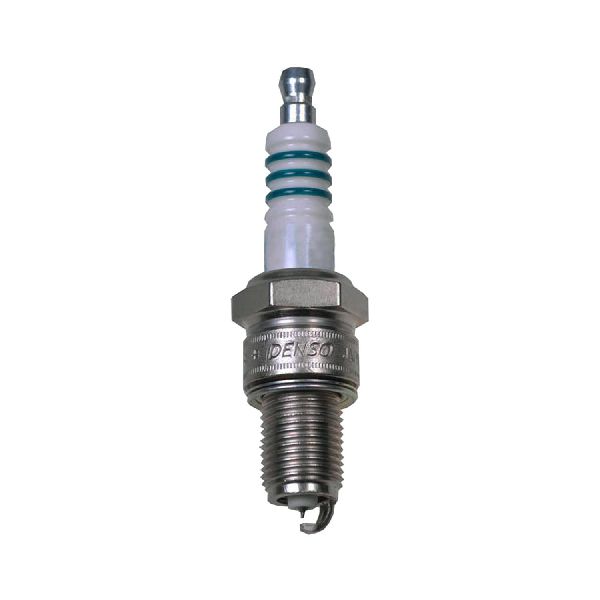
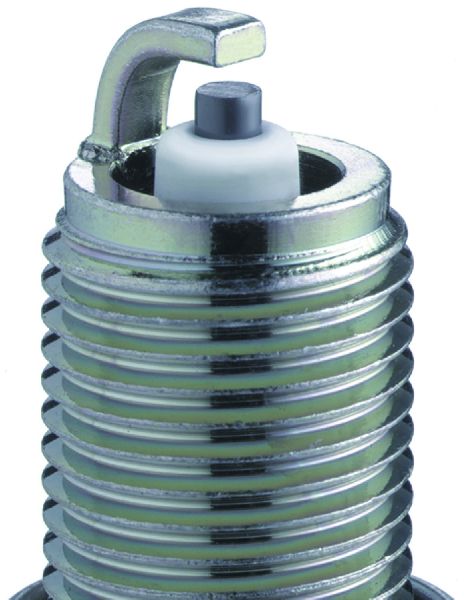
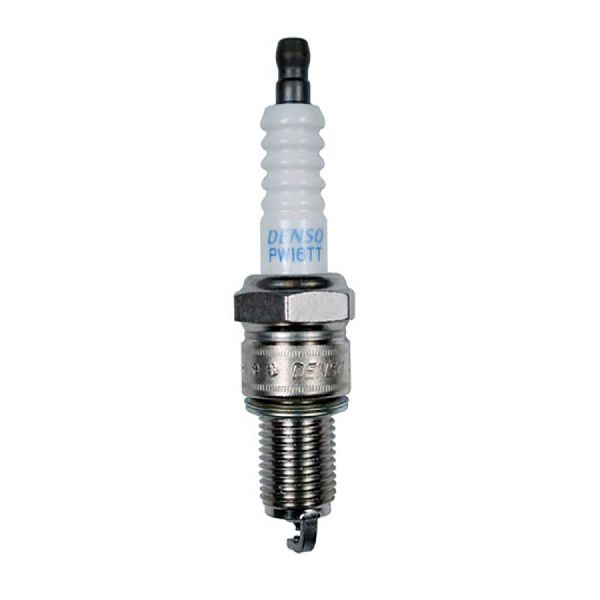
- Mid-Tier (Better): Brands like NGK and Denso are highly recommended by owners for these Mitsubishi engines. Their standard copper or V-Power style plugs are considered a go-to for reliability and performance that matches the original design.
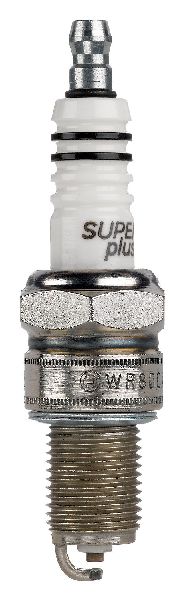
- Premium Tier (Best/Performance): Platinum or Iridium plugs from Bosch, NGK, or Denso offer the longest service life. However, they are more expensive and may be unnecessary for a stock engine. Some owners find these vintage engines run best on the simple, traditional copper plugs they were designed for.
Check the Gap!
No matter which brand you choose, always verify the spark plug gap before installation. Even pre-gapped plugs can be knocked out of spec during shipping. A wire-style gapping tool is recommended to avoid damaging the electrode. The correct gap for your Challenger is critical for optimal performance.
Aftermarket Spark Plug Cost for 1978-1984 Dodge Challenger
| Tier | Price Range (Per Plug) | Notes |
|---|---|---|
| Value (Copper) | $2.60 - $5.00 | Good performance, shorter lifespan (replace every 15k-20k miles). |
| Mid-Tier (Premium Copper/V-Power) | $4.00 - $8.00 | Excellent OEM-style performance, favored by many owners. |
| Premium (Platinum/Iridium) | $7.00 - $16.79 | Longest life, but may be overkill for a stock engine. |
Frequently Asked Questions
How often should I change the spark plugs on my Challenger?
For standard copper plugs, a good interval is every 15,000 to 20,000 miles. If you opt for premium iridium or platinum plugs, you can extend that to 40,000 miles or more, but it's good practice to inspect them periodically.
What is the spark plug gap for my 1978-1984 Challenger?
The gap can vary slightly by year and engine. It is often around 0.042 inches, but you should always check the vehicle's emissions sticker under the hood or consult a service manual for the exact specification for your car.
Are there any recalls for my Challenger's spark plugs?
No, there are no recalls or common technical service bulletins (TSBs) from Dodge or the NHTSA related to spark plugs for the 1978-1984 Challenger. Any issues found are related to normal wear and tear.
Do I need special tools to change my spark plugs?
You will need a standard socket wrench, an extension, and a dedicated spark plug socket (usually 5/8" or 13/16"). A spark plug gap tool is also essential. The job is straightforward and easily accessible on the 4-cylinder engine.
Technical Specifications
Engine Fitment: 1.6L I4, 2.6L I4. Common aftermarket part numbers include NGK BPR5ES-11 and equivalents. Always confirm fitment for your specific engine and model year.
We Have This Part in Stock

The information in this article is provided for general reference and educational purposes only. Vehicle specifications, procedures, and part compatibility can vary by production date, trim level, and region. Always consult your vehicle's factory service manual and verify part numbers before purchasing or performing repairs. Safety-critical components such as airbags, seat belts, and braking systems should be installed by a qualified professional.