

Porsche 928 (1978-1984) Engine Coolant Temperature Sensor: A Comprehensive Guide
A faulty coolant temperature sensor can cause a host of running issues on your classic 928; here is what you need to know before you buy a replacement.
- This sensor is critical for fuel mixture; a failure causes poor running, bad fuel economy, and black smoke.
- The 928 has a separate sensor for the ECU and a sender for the gauge; ensure you are replacing the correct part for your symptoms.
- Replacement is a simple DIY job, requiring basic tools and about 30 minutes.
- Many owners strongly recommend using the OEM Bosch sensor to avoid compatibility issues with aftermarket alternatives.
Is Your 928's Coolant Temp Sensor Failing?
A bad Engine Coolant Temperature (ECT) sensor can be the source of many frustrating problems on the 1978-1984 Porsche 928. Because this sensor directly controls fuel mixture, a failure can mimic more complex issues with the Bosch K-Jetronic or L-Jetronic fuel injection systems. Symptoms can appear suddenly and cause significant changes in how your car drives. Ignoring them can lead to poor performance, reduced fuel economy, and potentially other issues down the road.
Pro Tip: Know Your Sensors
Early 928s have at least two key temperature sensors that are often confused: the ECT sensor for the fuel injection computer (ECU) and the temperature sender for the dashboard gauge. They are separate parts. If your gauge is reading incorrectly but the car runs fine, the sender is likely the problem. If the car runs poorly but the gauge seems to work, the ECT sensor discussed here is the more likely culprit.
Choosing the Right Aftermarket Sensor
When it comes to critical sensors on a classic Porsche, the debate between OEM (Original Equipment Manufacturer) and aftermarket parts is common. For the 928, the original sensor is made by Bosch.
- OEM/Bosch: Many Porsche 928 owners and specialists strongly recommend using the OEM Bosch sensor. Forum discussions often highlight that some aftermarket sensors, even when they cross-reference to the correct part number, do not function correctly, leading to persistent running issues like hard starting or a rough idle. For peace of mind and guaranteed compatibility, Bosch is the safest bet.
- Tier 1 Aftermarket (Standard Ignition, Walker Products): Brands like Standard Ignition and Walker Products are established manufacturers of engine management components. They aim to produce parts that meet or exceed original specifications. While generally reliable, some owner experiences suggest that for sensitive electronics on vintage European cars, slight differences in resistance values compared to the original Bosch part can still cause subtle issues. However, they can be a cost-effective option if the OEM part is unavailable or out of budget.
- Value Brands (Global Parts, True Tech): These brands offer the most affordable options. While they may be a functional replacement, their long-term reliability and adherence to the strict tolerances required by the 928's fuel injection system are less certain. For a critical sensor like this, saving a few dollars here might lead to more diagnostic headaches later.
| Part Type | Price Range |
|---|---|
| New OEM (Bosch) | $45 - $75 |
| New Aftermarket | $20.66 - $39.75 |
| Shop Labor | $100 - $180 |
Frequently Asked Questions (FAQ)
Where is the ECT sensor located on a 1978-1984 Porsche 928?
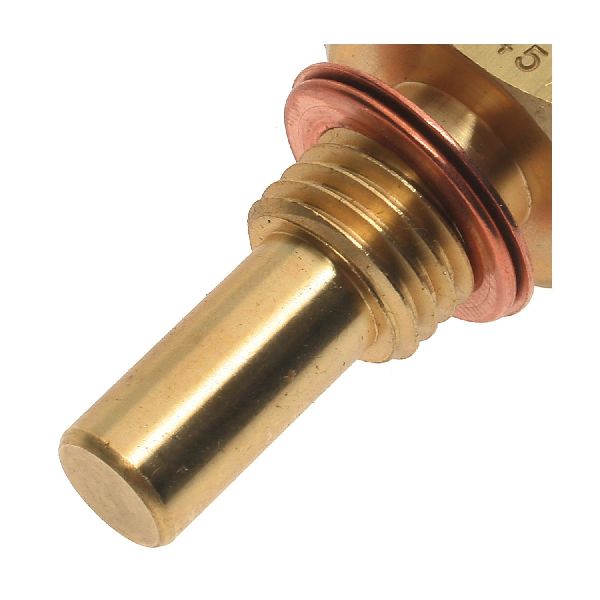
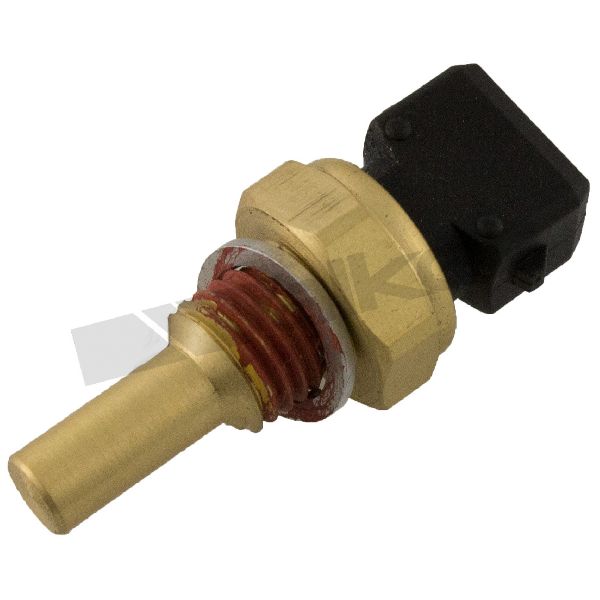
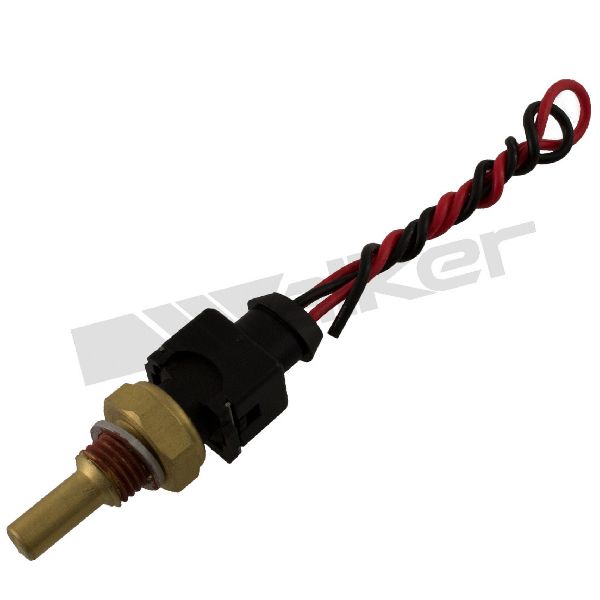
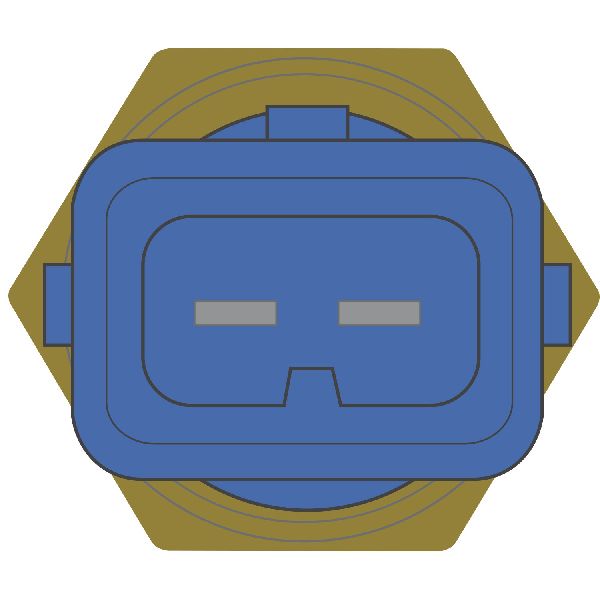
The ECT sensor for the fuel injection is typically located on the water bridge or thermostat housing at the front of the engine. It's often a blue-colored sensor with a two-prong electrical connector. It is distinct from the sender for the temperature gauge, which may be located nearby.
Can I replace the coolant temperature sensor myself?
Yes, this is a very DIY-friendly job for most home mechanics. It typically requires basic hand tools, including a 19mm deep socket. The sensor is usually accessible at the top front of the engine. The main steps involve disconnecting the electrical connector, unscrewing the old sensor, and quickly screwing in the new one to minimize coolant loss. Always work on a cold engine.
Are there any recalls or TSBs for this part?
Searches for recalls from the National Highway Traffic Safety Administration (NHTSA) did not find any specific recalls for the engine coolant temperature sensor on 1978-1984 Porsche 928 models. While some Technical Service Bulletins (TSBs) exist for this model range, none were found to be directly and consistently related to a faulty batch of coolant temperature sensors.
What happens if I ignore a bad ECT sensor?
Ignoring a faulty sensor will cause your car to run poorly. If the sensor is stuck sending a "cold" signal, the engine will run rich, leading to very poor fuel economy, fouled spark plugs, and black smoke from the exhaust. If it sends a "hot" signal, the car may be difficult to start and have a rough idle. While it won't likely leave you stranded immediately, it makes the car unpleasant to drive and can cause other problems over time.
Technical Specifications
OEM Part Numbers: 92860612501 0280130032
Two-prong electrical connector, typically with a blue plastic body. Resistance values change with temperature, with a cold resistance of several kOhms and a hot resistance of 200-300 Ohms. Uses a 19mm hex for installation.
We Have This Part in Stock


The information in this article is provided for general reference and educational purposes only. Vehicle specifications, procedures, and part compatibility can vary by production date, trim level, and region. Always consult your vehicle's factory service manual and verify part numbers before purchasing or performing repairs. Safety-critical components such as airbags, seat belts, and braking systems should be installed by a qualified professional.