

Ignition Lock Cylinder Guide for the 1978-1986 Buick LeSabre
Having trouble with your key? Here’s what you need to know about replacing the ignition lock cylinder on your classic LeSabre.
- Symptoms like a sticking key or difficulty starting usually point to a worn-out ignition lock cylinder.
- Replacement is straightforward for this model year as no key programming is required.
- Aftermarket brands like Standard Ignition and Dorman offer reliable, cost-effective replacements.
- Doing this repair yourself may require special tools like a steering wheel puller and a lock plate compressor.
Is Your Ignition Lock Cylinder Failing?
On a classic car like the 1978-1986 Buick LeSabre, the ignition lock cylinder has seen a lot of use. When it starts to fail, it's usually due to simple mechanical wear. The small metal pins (tumblers) inside the cylinder get worn down from the key turning thousands of times. This wear can make it hard to start your car or even get the key out.
Common Symptoms of a Bad Lock Cylinder:
- Key is Hard to Turn: You might find yourself needing to jiggle the key or use extra force to get it to turn from one position to the next (e.g., from 'Off' to 'Run').
- Key Won't Go In or Come Out: The key may get stuck in the cylinder, refusing to be inserted fully or removed after you shut the engine off. This can be due to worn tumblers or a worn-out key.
- No-Start Condition: You turn the key, but nothing happens. The cylinder is so worn that it can no longer properly engage the electronic ignition switch behind it.
- Binding Steering Wheel: Sometimes the steering wheel lock can bind, preventing the key from turning. Try gently turning the steering wheel back and forth while turning the key to see if it frees up.
Don't Get Stranded
These symptoms usually get worse over time. A key that is just a little sticky today could refuse to turn at all tomorrow, leaving you stranded. It's best to address the issue as soon as symptoms appear.
Choosing the Right Aftermarket Ignition Lock Cylinder
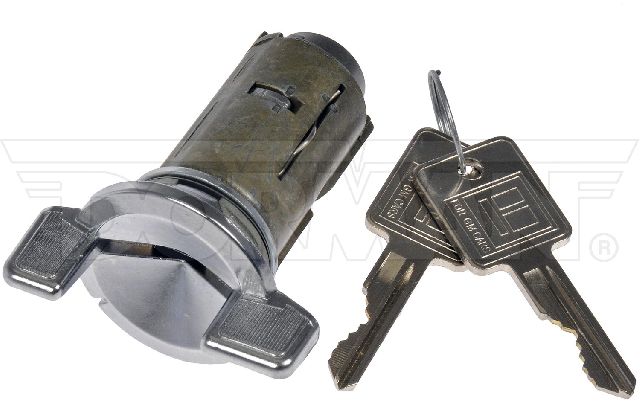
For a vehicle of this age, finding a new OEM part from GM is nearly impossible. The good news is that the aftermarket offers reliable and affordable options that meet or exceed the original quality. Since your LeSabre does not have a complex anti-theft system like later models, the replacement is straightforward with no programming required.
Aftermarket Brand Tiers
- Premium Aftermarket (Standard Ignition): Brands like Standard Motor Products (SMP) have a long-standing reputation among professional mechanics for high-quality materials and precise manufacturing. They are engineered to meet or exceed original specifications, ensuring smooth operation and long life. This is a top choice for a reliable, long-term repair.
- Quality Aftermarket (Dorman): Dorman is a well-known brand that provides quality replacement parts that are often designed to be an exact fit and function like the original. They are a trusted, cost-effective solution for DIYers and professionals alike and often come with a warranty.
- Budget-Friendly (Replacement): These are often generic or store-brand parts that offer the lowest price point. While they will get the job done, the materials and manufacturing tolerances may not be as high as premium brands, potentially leading to a shorter lifespan.
Pro Tip: Get New Keys
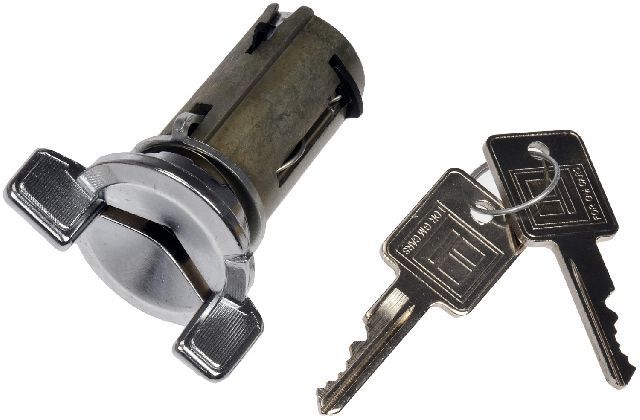
Your new ignition lock cylinder will come with a new set of keys. It's a good idea to stop using your old, worn ignition key, as it can cause premature wear on the new cylinder.
Replacement Cost
Replacing the ignition lock cylinder is a common repair on older vehicles. The cost will depend on whether you do it yourself or hire a professional.
| Part or Service | Estimated Cost |
|---|---|
| New Aftermarket Part | $26.96 - $46.76 |
| Shop Labor | $120 - $250 |
| Total Professional Replacement | $150 - $300 |
Frequently Asked Questions (FAQ)
Can I replace the ignition lock cylinder myself?
Yes, this is a DIY-friendly job if you have the right tools. For many GM columns of this era, you will need to remove the steering wheel and use a special lock plate compressor tool to access the screw that holds the cylinder. If you are not comfortable with this, a mechanic can perform the job in about 1-2 hours.
Do I need to get the new cylinder programmed?
No. The 1978-1986 Buick LeSabre uses a simple mechanical lock and key. There are no computer chips or anti-theft systems that require programming, which makes the replacement much simpler than on modern cars.
Will a new lock cylinder fix my car not starting?
It might. If the cylinder is so worn that it can't activate the ignition switch, a new cylinder will solve the problem. However, a no-start condition can also be caused by other issues like a dead battery, a bad starter, or a faulty ignition switch. A proper diagnosis is key.
My key is stuck. What should I do?
First, make sure the car is in Park and try wiggling the steering wheel left and right while gently trying to turn the key. This can release pressure on the steering lock. Do not use excessive force or tools to turn the key, as you could break the key off in the cylinder. If it's still stuck, the lock cylinder likely needs to be replaced.
Are there any recalls for the ignition lock on my LeSabre?
No, there are no specific recalls or technical service bulletins (TSBs) from GM or the NHTSA for ignition lock cylinder failure on the 1978-1986 Buick LeSabre. The well-publicized GM ignition recalls from the 2010s involved much newer vehicles and different failure modes.
Technical Specifications
This is a mechanical, non-transponder lock cylinder located in the steering column. It does not require programming.
We Have This Part in Stock


The information in this article is provided for general reference and educational purposes only. Vehicle specifications, procedures, and part compatibility can vary by production date, trim level, and region. Always consult your vehicle's factory service manual and verify part numbers before purchasing or performing repairs. Safety-critical components such as airbags, seat belts, and braking systems should be installed by a qualified professional.