

Cadillac DeVille Drum Brake Wheel Cylinder Guide (1978-1986)
Keep your classic Cadillac's brakes safe and reliable by understanding how to spot and fix a failing rear wheel cylinder.
- A soft, spongy brake pedal or a visible fluid leak behind a rear wheel are critical signs of failure; stop driving the vehicle immediately.
- Always replace wheel cylinders in pairs on the same axle to maintain balanced braking.
- If brake fluid has leaked onto the brake shoes, they are contaminated and must be replaced at the same time as the cylinder.
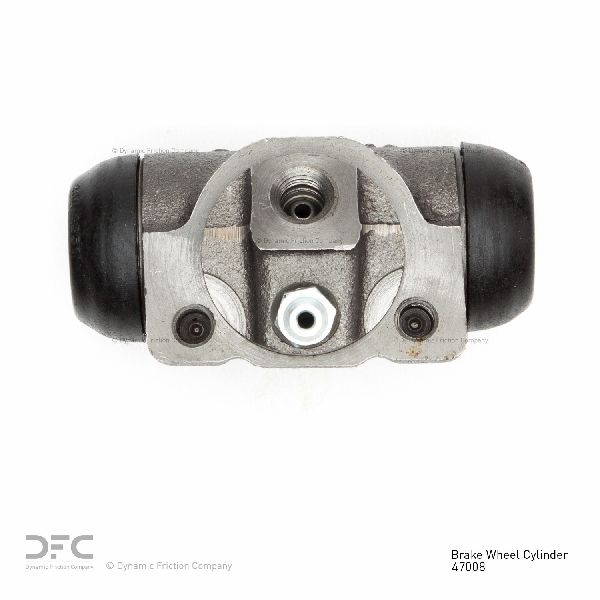
- For the 1978-1986 DeVille, quality aftermarket brands like Raybestos, Centric, Dorman, and Dynamic Friction are reliable and cost-effective choices.
Symptoms of a Failing Wheel Cylinder
A bad wheel cylinder is a serious safety issue. Because it holds hydraulic brake fluid under pressure, any failure can lead to a sudden loss of braking ability. Watch for these warning signs in your Cadillac DeVille:
- Spongy or Soft Brake Pedal: This is the most common symptom. If the pedal feels mushy or sinks towards the floor when you press it, it often means there's a leak in the system, and the wheel cylinder is a frequent culprit. This indicates a loss of hydraulic pressure.
- Visible Brake Fluid Leaks: Check the area behind your rear wheels. You might see wet streaks on the inside of the tire or on the brake backing plate. Sometimes, a small puddle will form under the car after it's been parked. A leaking cylinder will often be covered in a mix of brake fluid and road grime.
- Reduced Braking Performance: Your car may take longer to stop, or you might have to press the pedal much harder than usual. This happens when a leak prevents the cylinder from creating enough force to press the shoes against the drum effectively.
- Brakes Dragging or Locking Up: If the pistons inside the cylinder corrode and stick, they may not retract after you release the brake pedal. This can cause the brakes to drag, leading to a burning smell, excessive heat from the rear wheels, and poor fuel economy.
Safety Warning: Do Not Drive With a Bad Wheel Cylinder
If you suspect a wheel cylinder has failed, do not drive your vehicle. A brake fluid leak can lead to a complete loss of braking power. It is critical to have the vehicle inspected and repaired immediately.
Choosing the Right Aftermarket Wheel Cylinder
For a classic vehicle like the 1978-1986 DeVille, new Original Equipment (OEM) parts from GM are generally not available. The market is well-served by quality aftermarket manufacturers. Since wheel cylinders are a relatively simple and inexpensive component, the quality difference between major brands is often minimal. It is always recommended to replace wheel cylinders in pairs (both rear wheels) to ensure even braking performance.
Brand Quality Tiers
- Tier 1 (Premium Aftermarket): Brands like Raybestos and Dynamic Friction are often considered top-tier aftermarket choices. They have a long-standing reputation for quality and are a solid choice for any repair. Forum users often report good results with Raybestos professional-grade parts.
- Tier 2 (Standard Aftermarket): Brands like Centric and Dorman are widely available and offer a good balance of quality and price. They are a common, reliable choice for this type of repair. Mechanics note that Centric parts are generally reliable and that a simple part like a wheel cylinder is hard to get wrong.
Pro Tip: Check for Contaminated Brake Shoes
When a wheel cylinder leaks, the brake fluid often soaks the brake shoes. This fluid contaminates the friction material, making the shoes ineffective. If you find any fluid on your brake shoes, they must be replaced along with the wheel cylinder to restore proper braking.
Estimated Replacement Costs
The cost to replace rear wheel cylinders can vary based on shop labor rates and if other parts, like brake shoes and hardware, are also replaced.
| Part or Service | Estimated Cost |
|---|---|
| Aftermarket Wheel Cylinder (Each) | $15 - $23 |
| Shop Labor (Per Axle) | $150 - $250 |
| Total Professional Repair (Parts & Labor, Per Axle) | $200 - $350 |
Costs are estimates and may vary. This repair often includes replacing brake shoes and bleeding the brake system, which can add to the total cost.
Vehicle-Specific Issues: 1986 Recall
Owners of 1986 Cadillac DeVille models equipped with the optional anti-lock braking system (ABS) should be aware of a specific recall (NHTSA Campaign ID 87V093000). This recall addresses a potential for brake fluid to seep from the ABS pressure switch, which could lead to a failure of the hydraulic pump motor. A failure of this pump could result in a total loss of the rear brakes and a loss of power assist to the front brakes, significantly increasing stopping distances. While this is not a failure of the wheel cylinder itself, it is a critical, vehicle-specific brake system issue for this model year.
Frequently Asked Questions (FAQ)
Do I have to replace both rear wheel cylinders at the same time?
Yes. It is highly recommended to replace wheel cylinders in pairs on the same axle. This ensures that both sides have equal braking force, preventing the car from pulling to one side during braking. Since they are the same age, if one has failed, the other is likely near the end of its service life.
Can I just rebuild my old wheel cylinder?
Rebuilding a wheel cylinder with a new seal kit is possible, and kits are available. However, given the low cost of a brand new aftermarket cylinder (often under $25), replacement is almost always the more time-efficient and reliable option. Rebuilding is typically only done for rare or hard-to-find parts, which is not the case for the 1978-1986 DeVille.
What other parts should I inspect or replace?
When replacing wheel cylinders, you should always inspect the brake shoes, brake drums, and all related hardware (springs and clips). If the brake shoes are contaminated with fluid or are worn down, they must be replaced. It is also a good time to flush the old brake fluid from the entire system and replace it with new, clean fluid.
How difficult is it to replace a wheel cylinder myself?
This is a moderately difficult job for a DIY mechanic. It requires safely lifting and supporting the vehicle, removing the wheels and brake drums, and working with brake fluid. The most critical and potentially difficult step is properly bleeding the air from the brake lines after the new cylinder is installed. If you are not comfortable with bleeding brakes, this job is best left to a professional.
Technical Specifications
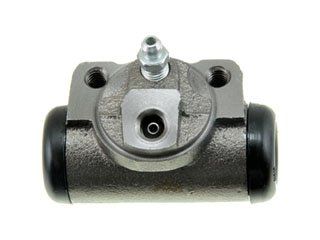
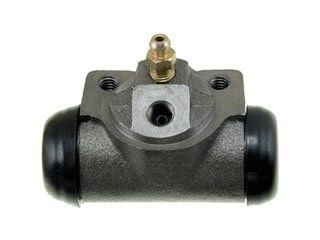
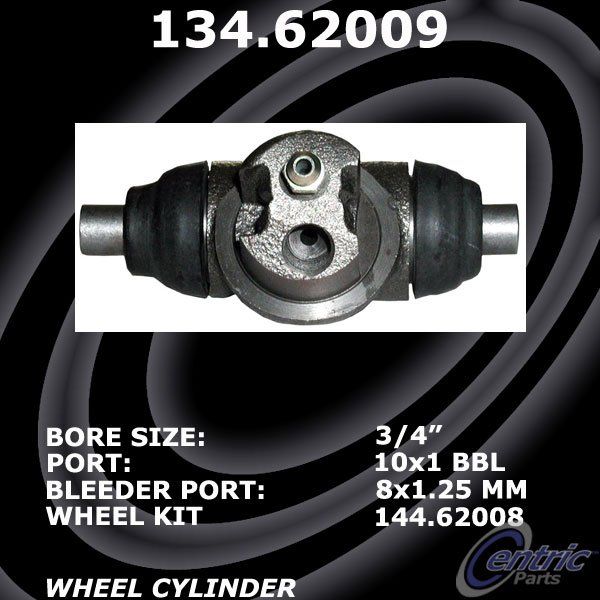
Bore Size: 3/4 Inch (19mm) Inlet Thread Size: M10-1.0 Material: Cast Iron Location: Rear Axle (Drum Brakes)
We Have This Part in Stock

The information in this article is provided for general reference and educational purposes only. Vehicle specifications, procedures, and part compatibility can vary by production date, trim level, and region. Always consult your vehicle's factory service manual and verify part numbers before purchasing or performing repairs. Safety-critical components such as airbags, seat belts, and braking systems should be installed by a qualified professional.
- 🛍️ Shop This Part
- Symptoms of a Failing Wheel Cylinder
- Safety Warning: Do Not Drive With a Bad Wheel Cylinder
- Choosing the Right Aftermarket Wheel Cylinder
- Brand Quality Tiers
- Pro Tip: Check for Contaminated Brake Shoes
- Estimated Replacement Costs
- Vehicle-Specific Issues: 1986 Recall
- Frequently Asked Questions (FAQ)
- 🎟️ Get 5% Off