

Choosing the Right Engine Intake Manifold Gasket for Your 1978-1986 Chevrolet Impala
Stop leaks and restore performance by understanding the best intake gasket options for your classic Impala.
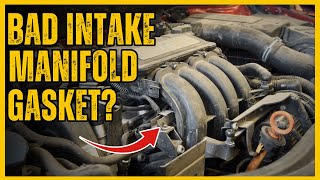
- A failing intake manifold gasket is a common issue on older V8 Impalas and must be fixed to prevent engine damage.
- Modern aftermarket gaskets from brands like Edelbrock, Cometic, and Victor Gaskets offer superior sealing compared to the original 1980s technology.
- Symptoms range from a rough idle and hissing sounds to critical issues like engine overheating and coolant-contaminated oil.
- Before buying, you must confirm your specific engine (e.g., 305 V8, 350 V8, or V6) to get the correct gasket set.
Understanding Intake Manifold Gasket Failure on Your Impala
The intake manifold gasket on a 1978-1986 Chevrolet Impala lives in a harsh environment of constant temperature changes and exposure to coolant and oil. The original gaskets were often made of composite paper or cork materials. Over decades, these materials break down, becoming brittle and cracking. This leads to leaks. A vacuum leak can cause a rough idle and poor performance, while a coolant leak can lead to engine overheating and catastrophic damage if not addressed.
Choosing the Right Aftermarket Gasket Set
For a vehicle of this era, new aftermarket gaskets are often a significant upgrade over the original factory parts. Modern materials and designs provide better, longer-lasting seals. It is crucial to identify your Impala's specific engine before purchasing, as V6 and V8 engines require different gasket sets. The most common engines are the 305 and 350 cubic inch Small Block Chevy (SBC) V8s.
Brand Tiers for Your Consideration:
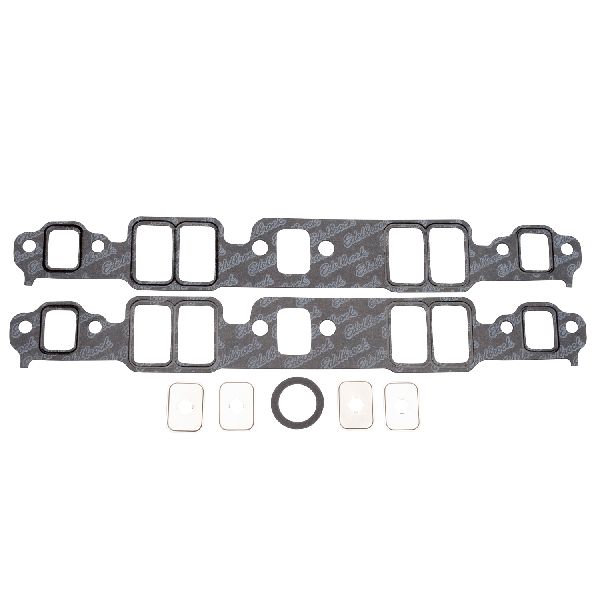
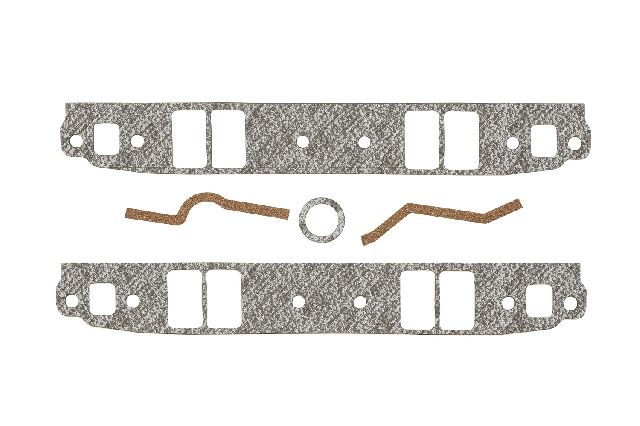
- Performance/Premium (Edelbrock, Cometic, Mr. Gasket): These brands are well-known in the performance and racing world. Cometic is famous for its Multi-Layer Steel (MLS) gaskets, which offer superior durability. Edelbrock and Mr. Gasket provide high-quality kits, often designed to match their performance intake manifolds, but they work great on stock engines too. These are excellent choices if you want the best possible seal and longevity.
- OEM-Quality (Victor Gaskets / Victor Reinz): Victor Reinz is a major supplier of gaskets to car manufacturers and the aftermarket. Their gaskets are known for reliable, OE-level fit and function. This is a solid, dependable choice for a stock daily driver or restoration.
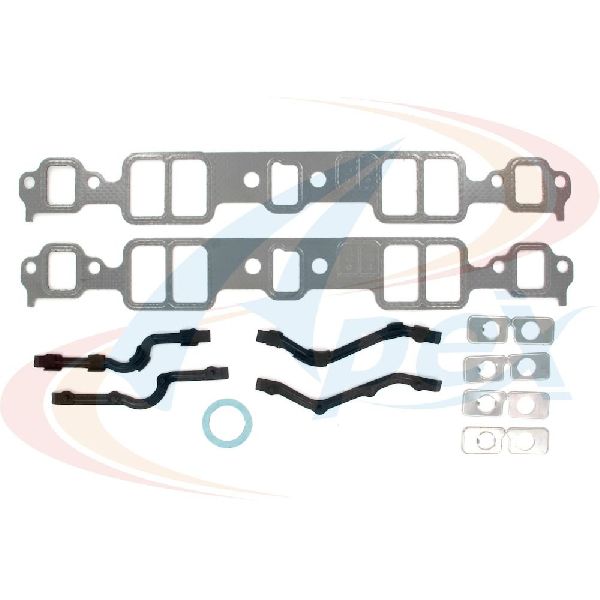
- Standard/Budget (Apex): Apex is often a more budget-friendly option. While they can be a good value, quality can sometimes be less consistent than premium brands. For a critical component like an intake gasket, it's often worth spending a little more for a brand with a stronger reputation.
Cost of Replacing an Intake Manifold Gasket Set
The cost involves the parts themselves and several hours of labor to access and replace them.
| Item | Estimated Cost |
|---|---|
| New Aftermarket Gasket Set | $17.44 - $72.59 |
| Shop Labor | $300 - $600 |
| Total Estimated Cost | $320 - $675 |
Frequently Asked Questions (FAQ)
Do I need to use sealant on the new gaskets?
Yes. While the main gaskets that seal the ports may be installed dry, you will almost always need to apply RTV sealant to the corners where the intake manifold meets the cylinder heads and block. As mentioned, many kits also require you to lay a bead of RTV along the front and back of the block instead of using rubber end seals. Always follow the specific instructions included with your gasket set.
Can I reuse my old intake manifold bolts?
It is generally recommended to use new bolts, especially if the old ones are rusty or show signs of stretching. Some modern gasket sets may even include new bolts. If you reuse the old bolts, make sure to clean the threads thoroughly and apply a thread sealer to the bolts that go into coolant passages to prevent leaks.
What is the most common mistake when doing this job?
The two most common mistakes are failing to properly clean the gasket surfaces and improper torqueing. Any old gasket material or sealant left on the heads or manifold will cause the new gasket to fail. It's also critical to tighten the manifold bolts in the correct sequence and to the specified torque to ensure even pressure on the gasket.
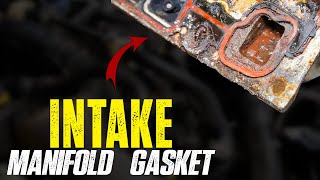
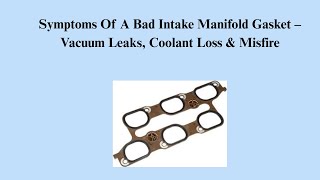
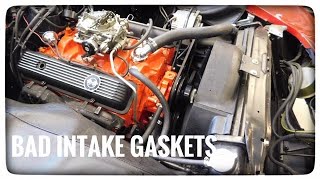
🎬 Follow this walkthrough for replacing the intake gasket on a 305.Are there any recalls for this issue?
No, there are no active recalls from the NHTSA specifically for intake manifold gasket failure on the 1978-1986 Chevrolet Impala. Any issues would be due to the age and wear of the original components.
Helpful Videos
Technical Specifications
Gasket material varies by brand, including composite, steel core laminate, and multi-layer steel (MLS). Sets typically include port gaskets and end seals or recommend RTV sealant. Fitment is specific to engine type (e.g., Chevy Small Block V8 262-400 CID) and sometimes cylinder head port shape.
We Have This Part in Stock


The information in this article is provided for general reference and educational purposes only. Vehicle specifications, procedures, and part compatibility can vary by production date, trim level, and region. Always consult your vehicle's factory service manual and verify part numbers before purchasing or performing repairs. Safety-critical components such as airbags, seat belts, and braking systems should be installed by a qualified professional.