

Choosing the Right Spark Plugs for Your 1978-1987 BMW R100RT
Keep your airhead twin firing perfectly with the correct set of new spark plugs.
- Use high-quality, recommended brands like NGK or Bosch for best performance and reliability on your air-cooled engine.
- Pay attention to whether you need a resistor ('R') or non-resistor plug based on your spark plug caps to ensure a strong spark.
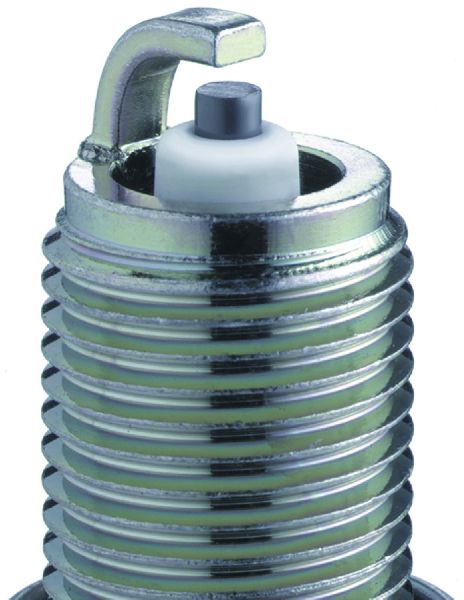
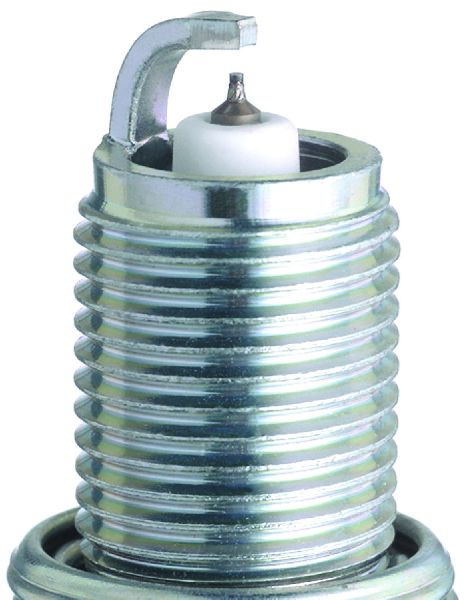
- Always check and set the spark plug gap before installation; a common setting is 0.8mm (0.031").
- Spark plug replacement is a very easy and inexpensive maintenance task that can prevent many common running issues.
Signs of Failing Spark Plugs
Worn or fouled spark plugs can cause a variety of issues on your R100RT. Because it's a twin-cylinder engine, a problem with one plug can make the bike feel very unbalanced and rough. Look out for these common symptoms:
- Hard Starting: A weak spark makes it difficult for the engine to fire up, especially when cold.
- Rough Idle: The engine may shake or vibrate more than usual at a standstill.
- Misfiring: You might feel a hesitation or stumble during acceleration as a cylinder fails to fire correctly.
- Poor Fuel Economy: An inefficient spark leads to incomplete combustion, wasting fuel.
- Reduced Power: The bike may feel sluggish and unresponsive to throttle inputs.
Reading the Plugs
When you remove your old spark plugs, their appearance can tell you a lot about your engine's health. A light tan or grayish color on the insulator tip is normal. Black, sooty deposits can indicate a rich fuel mixture, while white, blistered insulators suggest the engine is running too lean or hot. Oily deposits could point to bigger issues like worn piston rings or valve guides.
Choosing the Right Aftermarket Spark Plug
For the R100RT, sticking to proven brands is the best approach. While OEM plugs were originally Bosch, high-quality aftermarket options from NGK are widely recommended by owners and mechanics. The key is selecting the correct heat range and type for your air-cooled engine.
Brand Tiers for Your R100RT
Premium (Recommended): NGK, Bosch
NGK and Bosch are the go-to choices for the R100RT. They offer consistent performance and reliability. Standard copper core plugs like the NGK BP7ES or BP6ES are excellent, affordable choices that work very well in these engines. Some owners opt for Iridium plugs like the NGK BPR7EIX for longer life, but standard copper plugs changed more frequently are often just as effective and more economical.
Standard: Denso, Champion
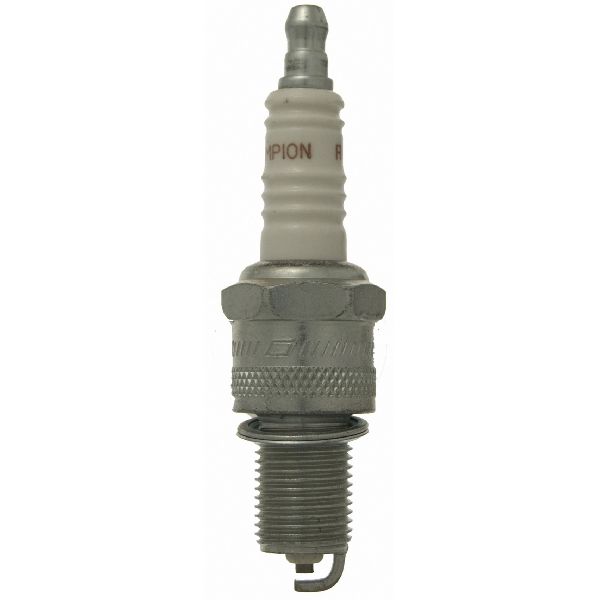
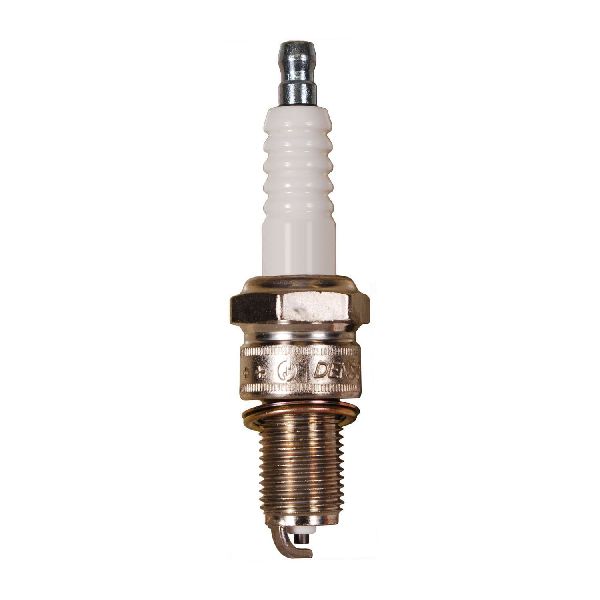
Denso is a reputable Japanese brand offering quality plugs that are a good alternative if NGK or Bosch are unavailable. Champion was an OEM-listed alternative for some model years and can be a suitable standard replacement. Ensure you are using the correct cross-referenced part number for your bike.
Economy: Autolite
While Autolite plugs are available, they are less commonly used and recommended in the BMW airhead community compared to NGK or Bosch. For a critical component that is so inexpensive and easy to replace, it's generally advised to stick with the premium, recommended brands for best results.
Resistor vs. Non-Resistor Plugs
Originally, these bikes used non-resistor spark plugs because the spark plug caps themselves contained the necessary 5k Ohm resistance. Using a resistor plug (marked with an 'R' in the part number) in combination with resistor caps can create too much resistance in the ignition circuit, potentially leading to a weak spark. If you have original or OEM-style plug caps, use a non-resistor plug like the NGK BP7ES. If you have non-resistor caps, you can use a resistor plug like the BPR7EIX.
Aftermarket Spark Plug Cost
| Brand Tier | Example Brands | Price Range (Per Plug) |
|---|---|---|
| Premium (Copper) | NGK, Bosch | $3.85 - $7.00 |
| Premium (Iridium) | NGK, Denso | $12.00 - $15.46 |
| Standard | Champion, Denso | $4.00 - $8.00 |
Frequently Asked Questions
How often should I change the spark plugs on my R100RT?
For standard copper plugs, it's good practice to inspect them at every valve adjustment and replace them every 5,000 to 10,000 miles, or annually. They are inexpensive, and fresh plugs ensure optimal performance. Iridium plugs can last longer, but regular inspection is still recommended.
What is the correct spark plug gap for the R100RT?
The typical spark plug gap for an R100RT is between 0.6mm and 0.8mm (0.024" - 0.032"). Always verify the recommended gap for the specific plug you are using and check it with a feeler gauge before installation. Many NGK plugs come pre-gapped, but it's wise to double-check.
Do I need special tools to change my spark plugs?
Changing the plugs on an R100RT is very straightforward. The boxer engine's cylinders stick out, providing easy access. You will need a 13/16" (21mm) spark plug socket, a socket wrench with an extension, and a gapping tool. The bike's original toolkit may even include 🎬 Watch: How to change and gap your BMW spark plugs a specific spark plug wrench.
Should I use anti-seize on the spark plug threads?
This is a debated topic. If you choose to use anti-seize on the threads to prevent them from seizing in the aluminum cylinder heads, use only a very small amount and be sure to reduce the tightening torque by about 20% to avoid over-tightening and damaging the threads. Some plug manufacturers, like NGK, advise against it as their plug coatings are designed to prevent seizing.
Helpful Videos
Technical Specifications
OEM Part Numbers: 12 12 1 338 146
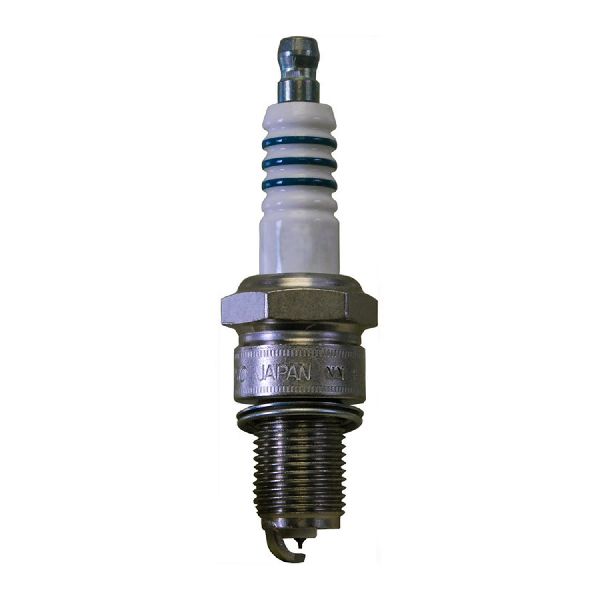
Thread Size: 14mm, Thread Reach: 19mm (3/4"), Hex Size: 21mm (13/16"), Recommended Gap: 0.6mm - 0.8mm.
We Have This Part in Stock

The information in this article is provided for general reference and educational purposes only. Vehicle specifications, procedures, and part compatibility can vary by production date, trim level, and region. Always consult your vehicle's factory service manual and verify part numbers before purchasing or performing repairs. Safety-critical components such as airbags, seat belts, and braking systems should be installed by a qualified professional.