

A Mechanic's Guide to the 1978-1987 Chevrolet Caprice Intake Manifold Gasket
Leaking coolant or a rough idle on your classic Caprice could mean it's time for a new intake manifold gasket.
- A failing intake manifold gasket on your Caprice will most likely cause a coolant leak or a rough idle.
- Do not drive if the engine is overheating or if you suspect coolant has mixed with the engine oil, as this can cause catastrophic engine damage.
- For a durable repair, choose a quality aftermarket brand like Victor Reinz or Edelbrock and use RTV sealant instead of the provided end seals.
- This is a manageable DIY project for an experienced home mechanic, but requires careful cleaning and following the correct torque sequence.
Signs of a Failing Intake Manifold Gasket
A bad intake manifold gasket on your Caprice will usually make its presence known with some obvious signs. Because these gaskets seal coolant, air, and oil, a failure can show up in several ways. Ignoring these symptoms can lead to engine overheating and significant internal damage.
- Coolant Leaks: This is the most common symptom. You might notice puddles of green or orange coolant under the front of the engine. The leak could also be internal, where coolant seeps into the engine oil, giving the oil a milky, coffee-like appearance. You may also smell a sweet, syrupy odor after the car has been running.
- Engine Overheating: A coolant leak, whether external or internal, will cause the engine to run low on coolant and overheat. This is a serious condition that requires immediate attention.
- Rough Idle and Poor Performance: If the gasket fails on the intake port side, it can create a vacuum leak. This allows unmetered air into the engine, which disrupts the air-fuel ratio, leading to a rough or high idle, hesitation when accelerating, and reduced power. You might even hear a hissing sound from the engine bay.
- White Smoke from Exhaust: If coolant leaks into the intake ports, it gets burned in the combustion chamber and turns into steam, which will appear as white smoke coming from your tailpipe.
Choosing the Right Aftermarket Gasket Set
For a classic vehicle like the 1978-1987 Caprice, original OEM gaskets are likely discontinued or very hard to find. The good news is that aftermarket gasket technology has improved significantly over the original designs. Many modern gaskets offer superior materials and sealing features. When choosing a replacement, consider the following brand tiers:
Common Ordering Mistake
The Small Block Chevy engine came with different cylinder head port designs over the years. Before ordering, confirm if your engine has standard or Vortec-style heads (unlikely unless modified) and check the port shape. Ordering the wrong gasket shape will result in major leaks.
Premium Tier: For High-Performance or Maximum Durability
- Cometic Gasket: Known for their high-performance multi-layer steel (MLS) and aramid fiber gaskets, Cometic is a top choice for modified engines or for owners who want the most robust seal available. They are often more expensive but provide excellent durability.
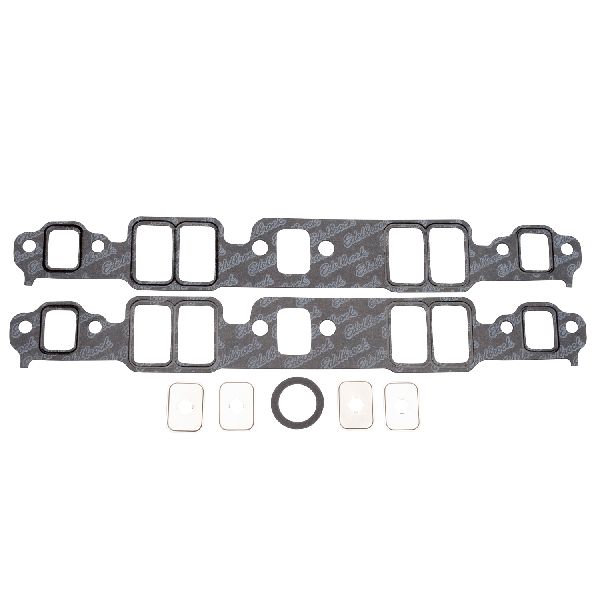
- Edelbrock: If you have an Edelbrock intake manifold, using their matched gasket is highly recommended. Their gaskets are designed for optimal flow and sealing with their own parts and often feature advanced materials and silicone beading.
Professional-Grade Tier: The Mechanic's Choice
- Victor Gaskets (Victor Reinz): A well-respected brand that is often an OEM supplier for many manufacturers. They are known for making high-quality replacement gaskets that meet or exceed original specifications and are a trusted choice for both stock and mildly modified engines.
- Fel-Pro: (Not in the provided list, but a major competitor) Often considered the industry standard for replacement gaskets. Their PermaDryPlus line features a steel core and silicone beading for excellent sealing, often superior to the original factory gaskets.
Standard & Value Tier: For Stock Replacements
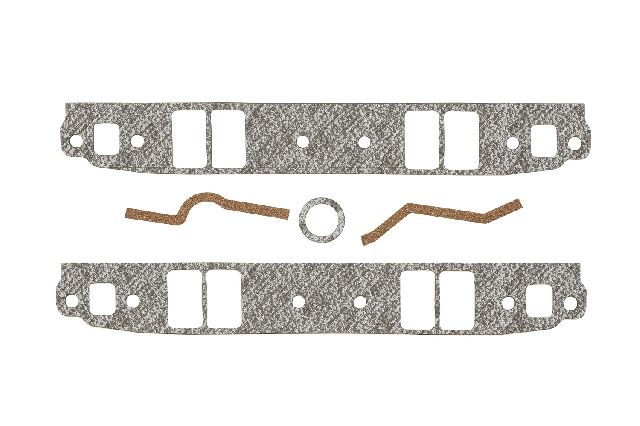
- Mr. Gasket: A classic brand in the hot-rodding world, Mr. Gasket offers a range of performance and standard replacement gaskets. Their standard sets are made from a durable cellulose/nitrile composite material that conforms well to surfaces and provides a reliable seal for stock applications.
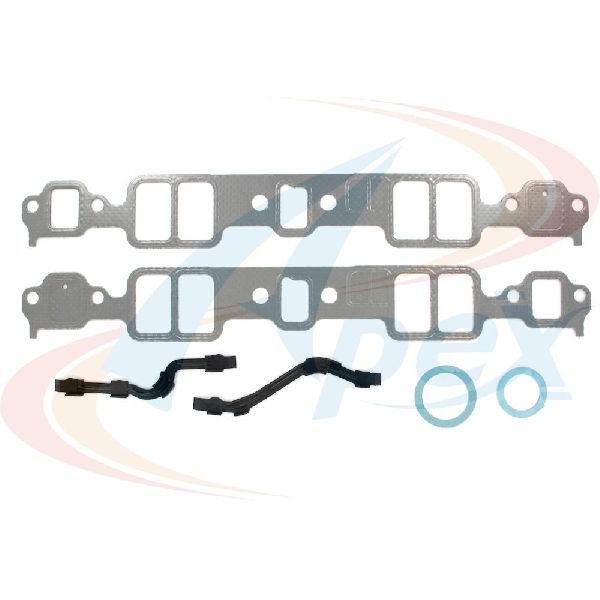
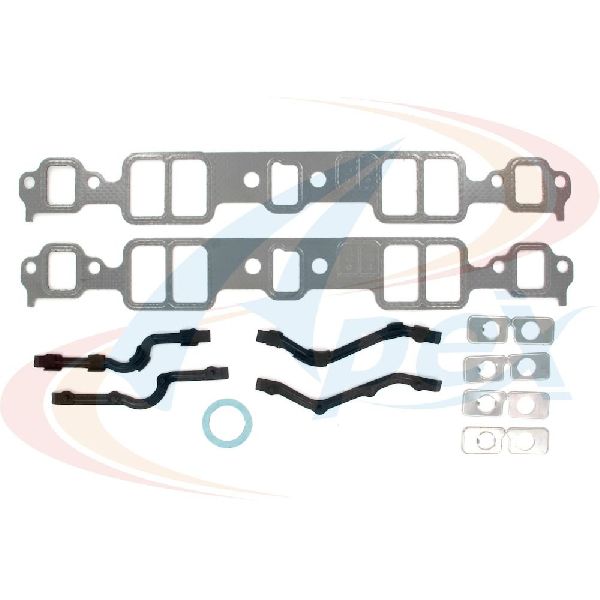
- Apex: Generally positioned as a budget-friendly option, Apex provides gasket sets that meet basic OEM specifications. While they can be a viable choice for a standard repair on a tight budget, some users in forums report occasional part-matching issues, so double-checking the contents is wise.
Pro Tip: Use the Right Sealant
Even the best gasket needs help. When installing, use a contact adhesive like Edelbrock Gasgacinch or Permatex Aviation Form-A-Gasket to hold the gaskets in place on the cylinder heads. For the front and rear "china walls" of the engine block, throw away the cork or rubber end seals that come in the kit. Instead, apply a thick, 1/4-inch bead of a quality RTV silicone sealant like Permatex Ultra Grey.
Estimated Replacement Costs
The cost to replace the intake manifold gasket set can vary based on the brand of the parts and local labor rates.
| Item | Estimated Cost |
|---|---|
| New Aftermarket Gasket Set | $17 - $73 |
| Shop Labor | $400 - $650 |
| Total Estimated Cost | $417 - $723 |
Note: Costs are estimates and can vary by location and vehicle condition. The job may also require new coolant and an oil change if the oil was contaminated.
Frequently Asked Questions (FAQ)
Can I drive my Caprice with a leaking intake manifold gasket?
It is not recommended. If the leak is minor (a small vacuum leak or tiny coolant weep), you might be able to drive short distances. However, a significant coolant leak can lead to rapid overheating and catastrophic engine damage. If coolant is mixing with your oil, driving the car will circulate the contaminated oil and can destroy engine bearings. It's best to get the vehicle repaired as soon as possible.
Is replacing the intake manifold gasket a DIY job?
For a mechanic with some experience, yes. The Small Block Chevy is a relatively simple engine to work on. The job requires draining the coolant, removing the carburetor/throttle body, distributor, and then the intake manifold itself. It's crucial to clean the gasket surfaces on the heads and manifold thoroughly and to follow the correct bolt-tightening torque sequence during reassembly. For a beginner, this can be a challenging 4-6 hour job.
Do I need to replace the intake manifold bolts?
It's not always required, but it is good practice, especially if the old bolts are rusty or show signs of stretching. New bolts ensure you get an accurate torque reading, which is critical for a proper seal. Some gasket kits may include new bolts.
Should I use the rubber end seals that come in the gasket kit?
Most experienced mechanics advise against using the front and rear rubber or cork end seals (the "china walls"). These are prone to slipping during installation and leaking over time. The preferred method is to use a thick bead of RTV silicone sealant in their place.
Technical Specifications
Gasket sets are specific to the Small Block Chevrolet V8 engine family (e.g., 305, 350). Key differences are port shape and material. Materials range from cellulose/nitrile composite to multi-layer steel (MLS) and aramid fiber. Many premium kits include silicone beading around ports for improved sealing.
We Have This Part in Stock


The information in this article is provided for general reference and educational purposes only. Vehicle specifications, procedures, and part compatibility can vary by production date, trim level, and region. Always consult your vehicle's factory service manual and verify part numbers before purchasing or performing repairs. Safety-critical components such as airbags, seat belts, and braking systems should be installed by a qualified professional.
- 🛍️ Shop This Part
- Signs of a Failing Intake Manifold Gasket
- Choosing the Right Aftermarket Gasket Set
- Common Ordering Mistake
- Premium Tier: For High-Performance or Maximum Durability
- Professional-Grade Tier: The Mechanic's Choice
- Standard & Value Tier: For Stock Replacements
- Pro Tip: Use the Right Sealant
- Estimated Replacement Costs
- Frequently Asked Questions (FAQ)
- 🎟️ Get 5% Off