

Choosing the Right Distributor for Your 1978-1987 GMC Caballero
Keep your classic GMC's engine running strong by understanding its most critical ignition component.
- Most 1978-1987 Caballeros use a GM HEI distributor; upgrading from an older points system to an HEI is a significant improvement.
- Failure symptoms often include misfiring, rough idle, stalling (especially when hot), and no-start conditions.
- Aftermarket brand choice matters: MSD is a top-tier performance option, while brands like Cardone and WAI are budget-focused but may have inconsistent quality.
- Replacing a distributor is a feasible DIY job, but you MUST set the ignition timing correctly with a timing light afterward to prevent poor performance or engine damage.
Is Your Distributor Failing? Common Symptoms
A bad distributor can cause a wide range of engine problems, from annoying to severe. Because it controls the spark for the entire engine, a failure can leave you stranded. Watch for these common signs:
- Engine Misfires or Backfiring: The engine may sputter, shake, or lose power, especially when you try to accelerate. You might hear popping sounds from the exhaust.
- Rough Idle or Stalling: The engine may idle unevenly, shake the whole vehicle, or stall unexpectedly, especially when it gets hot.
- Hard Starting or No-Start: Your Caballero might take a long time to start, or it might just crank without ever firing up. This can happen when the internal components, like the ignition module or pickup coil, fail completely.
- Shaking and Hesitation: If the vehicle shakes while running or hesitates when you press the gas pedal, it can be a sign of incorrect spark timing from a worn distributor.
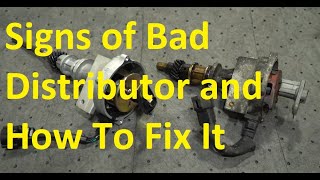
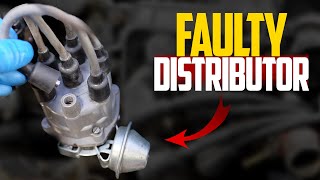
- Check Engine Light: On later models with computer controls, a severe misfire caused by the distributor can trigger the check engine light. 🎬 Watch this guide on diagnosing common distributor failure symptoms.
A Note on HEI Systems
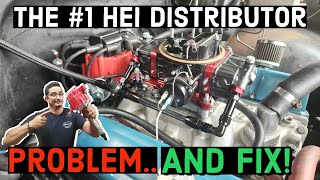
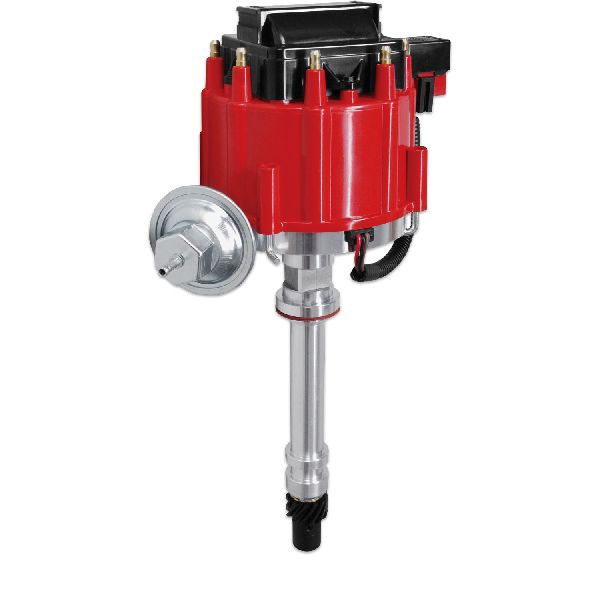
Most 1978-1987 GMC Caballeros came equipped with a GM High Energy Ignition (HEI) distributor. This is a large-cap distributor with the ignition coil built right into the top. A common failure point is the ignition module inside, which can fail when hot, causing the engine to stall and then restart after it cools down. Poor electrical connections are also a frequent cause of HEI problems.
🎬 Learn how to fix a major HEI distributor weak point.Choosing the Right Aftermarket Distributor
Since new OEM GM distributors for this era are long gone, the aftermarket is your only option. The good news is that there are many choices, from simple stock replacements to high-performance upgrades. Your choice depends on your goals and budget.
Brand Quality Tiers
Performance Brands (MSD, Accel, FAST, Edelbrock):
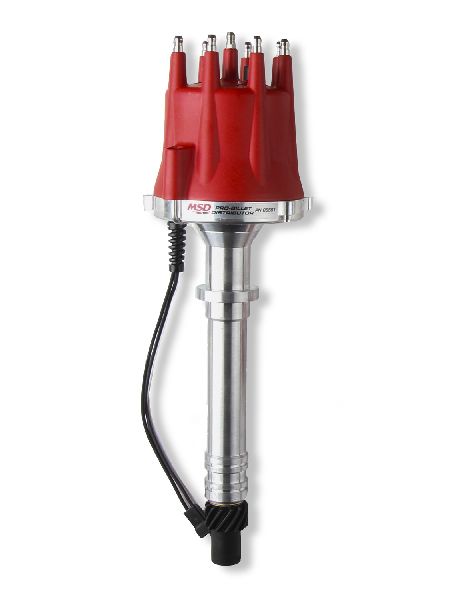
- MSD: Widely considered a top choice for performance applications. They offer everything from simple "Ready-to-Run" distributors with built-in ignition modules to full race setups that require an external ignition box. They are known for reliability and precision timing control, but come at a premium price.
- Accel: Accel offers a range of distributors, from stock-style HEI replacements to performance models. Forum discussions show mixed opinions over the years, with some users experiencing early failures while others are very satisfied. They can be a good mid-range option, often seen as a step up from budget brands but not always on par with MSD.
- FAST & Edelbrock: These brands are also geared toward the performance and EFI-conversion market, often bundled with their other engine components. They are generally well-regarded but may be more than what's needed for a stock engine.
Standard Replacement Brands (Cardone, Replacement, WAI Global):
- Cardone: Cardone is one of the biggest names in remanufactured and new replacement parts. Quality can be inconsistent; some users report getting a part that works perfectly for years, while others experience issues with cheap internal components like modules or caps right out of the box. Often, you may get a good distributor body, but swapping in a higher-quality ignition module is a wise upgrade.
- WAI Global: WAI manufactures new aftermarket electrical parts. They are often considered a budget-friendly option. Some reviews suggest their parts are sometimes re-boxed and sold under other store brands. Like other budget options, reliability can be a concern for some users.
- Replacement: This is often a generic or store-brand label for parts sourced from various manufacturers. Quality is variable, but they are typically the most affordable option. They are best suited for a budget repair where long-term durability is not the primary concern.
Pro Tip: The HEI Upgrade
If you have an early model with an older points-style distributor, upgrading to an HEI system is one of the best reliability and performance improvements you can make. An aftermarket HEI distributor is an easy, all-in-one solution that provides a much stronger and more reliable spark. Most are a simple one-wire hookup for power.
Estimated Costs for a New Distributor
| Part Type | Estimated Cost | Notes |
|---|---|---|
| New Aftermarket (Budget) | $99 - $200 | Brands like Replacement, WAI Global, and some Cardone models. Functional but may have lower-quality internal components. |
| New Aftermarket (Performance) | $250 - $777+ | Brands like MSD, Accel, and FAST. Offers better performance, adjustability, and durability. |
| Shop Labor | $150 - $300 | Typically 1.5 to 2.5 hours of labor. Price varies by shop rate. |
Frequently Asked Questions (FAQ)
Do I need to replace the ignition coil with the distributor?
If you are using a GM HEI-style distributor, the coil is built into the cap, and a new one will be included. If you are using a different style that requires an external coil, it's always a good idea to replace the coil at the same time to ensure the ignition system is balanced and reliable.
What does 'setting the timing' mean?
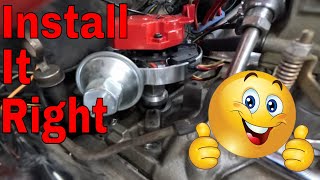
After installing a new distributor, you must set the ignition timing. This involves rotating the distributor body slightly while the engine is running and using a timing light to align marks on the engine's harmonic balancer. Correct timing is critical for engine performance and to prevent engine damage. If you are not comfortable with this process, it is best left to a professional.
🎬 See how to install a new distributor the right way.What is the difference between mechanical and vacuum advance?
These are two ways your distributor advances ignition timing. Mechanical advance uses spinning weights inside the distributor to advance timing as engine RPM increases. Vacuum advance uses a diaphragm connected to engine vacuum to advance timing during low-load cruising, which improves fuel economy. Both are important for proper engine operation.
Are there any recalls for the GMC Caballero distributor?
No, there are no specific recalls or technical service bulletins (TSBs) from the NHTSA for the distributor on the 1978-1987 GMC Caballero. Any issues are considered normal wear and tear for a part of this age.
Helpful Videos

Technical Specifications
OEM Part Numbers: 1103574 1103655 1103725 1103837 1103951
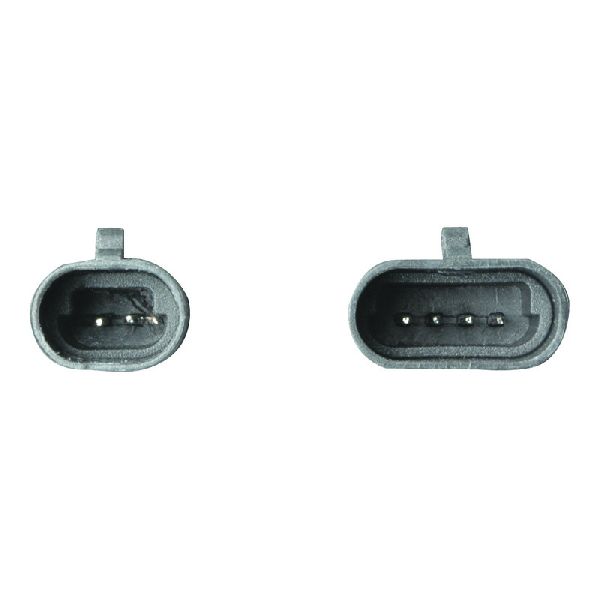
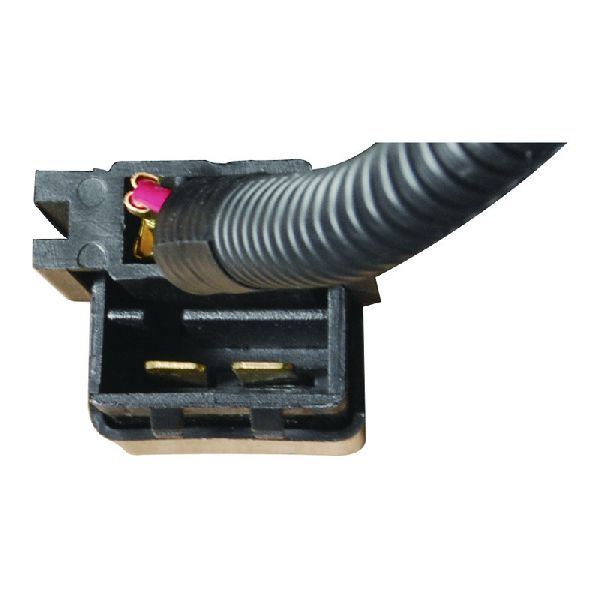
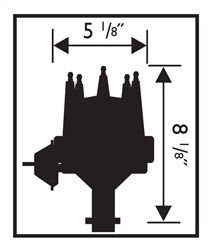
Most models use a General Motors High Energy Ignition (HEI) distributor, which features an integrated ignition coil in a large-diameter cap. It uses a 4-pin ignition module. The distributor is gear-driven by the camshaft and features both mechanical and vacuum advance mechanisms.
We Have This Part in Stock

The information in this article is provided for general reference and educational purposes only. Vehicle specifications, procedures, and part compatibility can vary by production date, trim level, and region. Always consult your vehicle's factory service manual and verify part numbers before purchasing or performing repairs. Safety-critical components such as airbags, seat belts, and braking systems should be installed by a qualified professional.