

A Guide to the Steering Gear on Your 1978-1987 GMC Caballero
If your steering feels loose or sloppy, it's probably time to replace your steering gear.
- Sloppy steering and fluid leaks are the most common signs of a failing steering gear on a '78-'87 Caballero.
- All aftermarket options are remanufactured; quality can be inconsistent, so check warranty information.
- Upgrading to a 'quick ratio' steering box is a popular and worthwhile modification for better handling.
- A professional alignment is recommended after replacement to ensure proper handling and tire wear.
Is Your Caballero's Steering Getting Worse?
Over decades of use, the steering gear in your GMC Caballero will wear out. This is not due to a design flaw, but simply the result of age and mileage on a mechanical part. The most common complaint from owners is loose or sloppy steering, where you have to turn the wheel more and more to get the truck to respond. This happens because the internal gears wear down, creating excessive play.
Common Symptoms of a Failing Steering Gear:
- Excessive Steering Play: This is the classic sign. You can move the steering wheel a few inches in either direction before the wheels start to turn.
- Fluid Leaks: You may notice drips of reddish-brown power steering fluid under the front of your truck. Leaks often happen at the seals where the steering shaft enters the box or where the Pitman arm connects.
- Grinding or Popping Noises: Hearing strange noises when you turn the wheel can point to worn-out components inside the steering gear.
- Stiff or Binding Steering: The wheel may become difficult to turn, or it may feel like it's catching or binding at certain points.
- Vehicle Wandering: If you constantly have to make small corrections to keep the truck driving straight, a worn steering gear could be the cause.
Safety First: Don't Ignore Bad Steering
A failing steering gear is a major safety concern. A complete failure can lead to a total loss of steering control. If you experience severe symptoms like sudden stiffness or large amounts of play, you should limit driving and get the part replaced as soon as possible.
Choosing Your Aftermarket Steering Gear
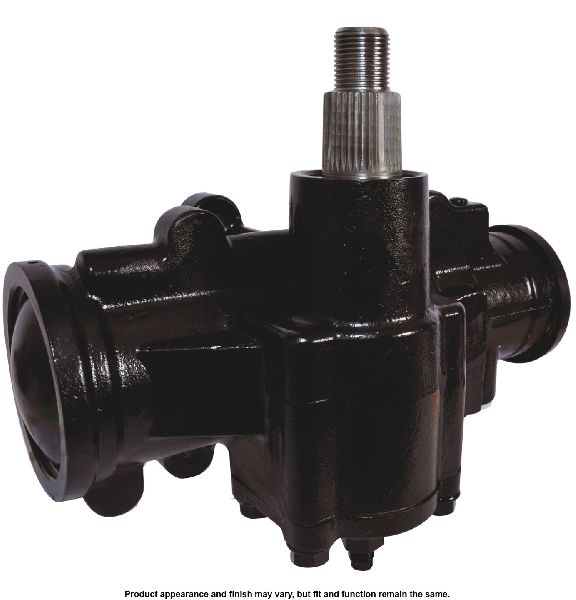
For a vehicle from this era, you won't find new steering gears from GM. The market consists almost entirely of remanufactured parts. This means an original core has been taken, disassembled, cleaned, inspected, and rebuilt with new seals, bearings, and sometimes gears. The quality of remanufactured parts can vary.
Understanding Aftermarket Brands: BBB Industries & Cardone
Both BBB Industries and Cardone are well-known suppliers of remanufactured parts. For a part like a steering gear on a G-Body truck, experiences can be mixed.
- Standard Remanufactured (Lower Price Tier): These parts are rebuilt to meet original specifications. They are a cost-effective way to fix a leaking or completely failed box. However, some owners report that budget-friendly remanufactured units may still have some play because the internal gears weren't replaced. Getting a unit that fails early or is defective out of the box can happen, though many work without issue.
- Premium Remanufactured (Higher Price Tier): Often, higher-priced options from these brands may include more new components or undergo more rigorous testing. For the Caballero, a popular upgrade is to a "quick ratio" steering box, often listed as a replacement for a Monte Carlo SS or Grand National. These provide a tighter, more responsive steering feel with fewer turns of the wheel from lock-to-lock.
Pro Tip: The Quick Ratio Upgrade
Many G-Body owners (the platform your Caballero is built on) upgrade to a quicker ratio steering box, like a 12.7:1 unit instead of the stock 17:1. This is a popular modification that makes the vehicle feel more modern and responsive. The Cardone part number 27-6550 is a commonly used quick-ratio box for this swap.
Cost of Replacing Your Steering Gear
The total cost will depend on the price of the part and whether you do the work yourself or hire a professional mechanic.
| Item | Estimated Cost |
|---|---|
| New Aftermarket Steering Gear (Remanufactured) | $184.10 - $685.20 |
| Shop Labor | $250 - $500 |
| Total Estimated Cost | $434.10 - $1185.20 |
Costs are estimates and can vary based on your location, the specific part chosen, and the shop's labor rate. An alignment is also recommended after replacement.
Frequently Asked Questions
Are there any recalls for the steering gear on my Caballero?
No, there are no active recalls or specific Technical Service Bulletins (TSBs) from the NHTSA for the steering gear on the 1978-1987 GMC Caballero. Any failures today are considered the result of normal wear and tear over several decades.
Can I rebuild my own steering gear?
Rebuilding a steering gear is a complex job that requires special tools and knowledge to set the internal tolerances correctly. While some experienced mechanics do it, for most DIYers, replacing the entire unit with a remanufactured one is the more practical and reliable option.
Is replacing the steering gear a DIY job?
For an experienced home mechanic, yes. The steering gear is heavy and some bolts can be hard to reach. You will need a sturdy set of tools, jack stands, and a special Pitman arm puller. The most critical steps are safely securing the vehicle, using the puller correctly, and properly bleeding the power steering system after installation to remove all air.
What is a "rag joint" and should I replace it too?
The rag joint, or steering coupler, connects the steering column to the input shaft of the steering gear. It's a flexible disc that absorbs vibrations. Over time, the rubber can degrade and cause steering slop. It is highly recommended to inspect the rag joint when replacing the steering gear and replace it if it looks cracked, soft, or worn out. It's an inexpensive part that contributes significantly to steering feel.
Do I need a wheel alignment after replacing the steering gear?
Yes, it is highly recommended to get a professional front-end alignment after replacing your steering gear. While the replacement itself doesn't directly change alignment angles, it's easy to knock the steering wheel off-center. An alignment will ensure your steering wheel is straight and your tires wear evenly.
Technical Specifications
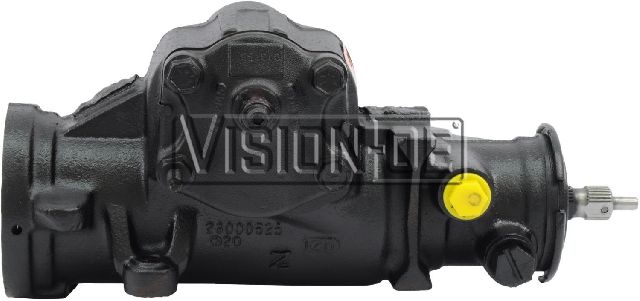
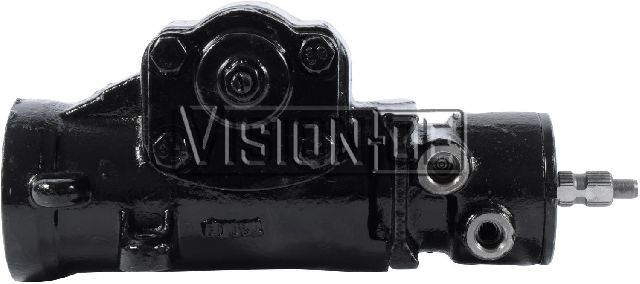
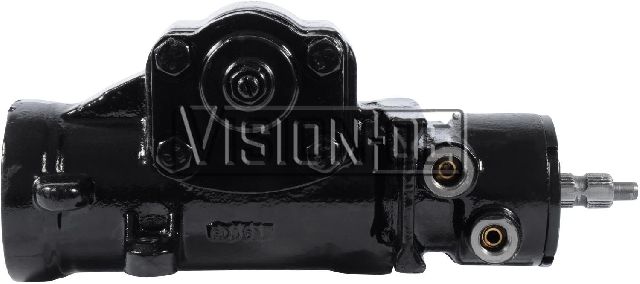
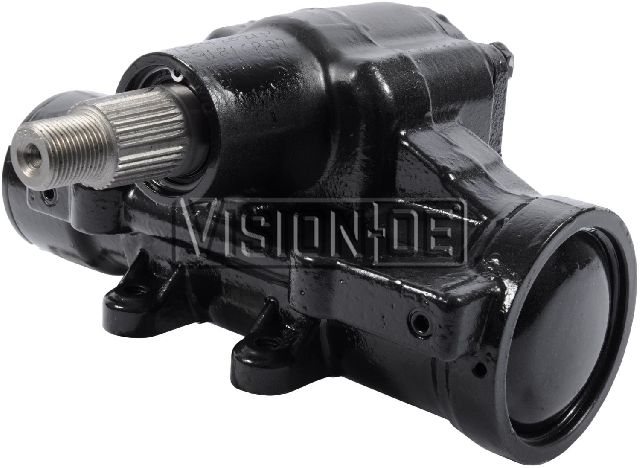
The 1978-1987 GMC Caballero uses a Saginaw-style recirculating ball power steering gear. It connects to the steering column via a rag joint and to the steering linkage via a Pitman arm. The gear is held to the frame by three bolts. Standard gear ratios are slow (around 17:1), while optional quick-ratio boxes (around 12.7:1) are a common upgrade.
We Have This Part in Stock

The information in this article is provided for general reference and educational purposes only. Vehicle specifications, procedures, and part compatibility can vary by production date, trim level, and region. Always consult your vehicle's factory service manual and verify part numbers before purchasing or performing repairs. Safety-critical components such as airbags, seat belts, and braking systems should be installed by a qualified professional.
- 🛍️ Shop This Part
- Is Your Caballero's Steering Getting Worse?
- Common Symptoms of a Failing Steering Gear:
- Safety First: Don't Ignore Bad Steering
- Choosing Your Aftermarket Steering Gear
- Understanding Aftermarket Brands: BBB Industries & Cardone
- Pro Tip: The Quick Ratio Upgrade
- Cost of Replacing Your Steering Gear
- Frequently Asked Questions
- 🎟️ Get 5% Off