

Audi 5000 Accessory Drive V-Belt Guide (1978-1988)
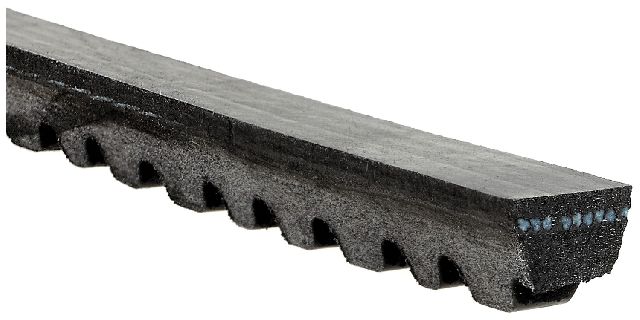
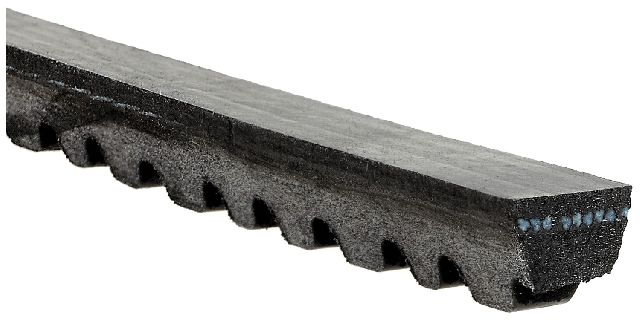
Keeping your classic Audi 5000's accessories running depends on a set of simple, but critical, rubber V-belts.
- Your Audi 5000 uses multiple V-belts, not a single serpentine belt; inspect all of them for wear.
- Squealing noises and visible cracks are the primary warning signs of a failing belt.
- High-quality aftermarket brands like Gates, Continental, and Dayco are excellent choices for this vehicle.
- Double-check the exact belt sizes needed for your car's specific engine and accessory package before ordering to avoid errors.
Understanding Your Audi 5000's V-Belt System
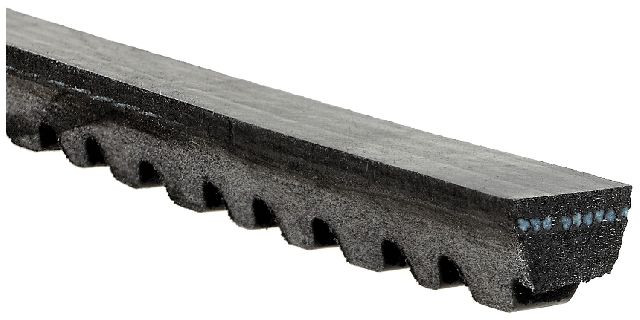
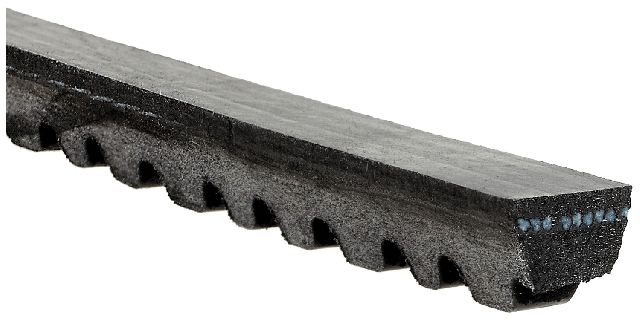
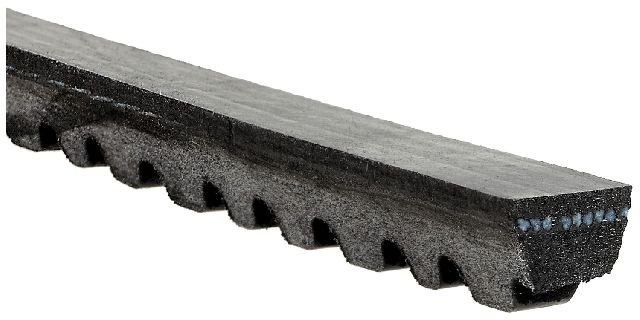
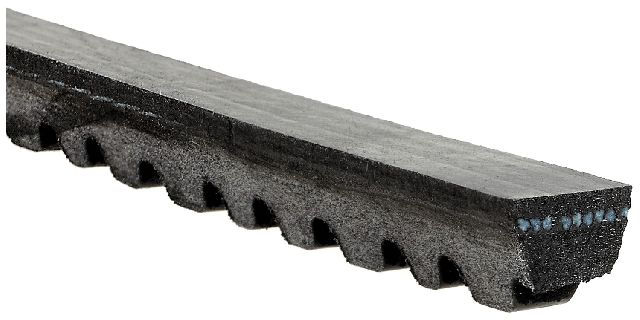
Your 1978-1988 Audi 5000 does not have one single accessory drive belt. Instead, it uses a series of individual V-belts to run different components. You will typically find separate belts for the alternator, the power steering pump, and the air conditioning compressor. Because these belts are made of rubber, they wear out over time due to heat, friction, and age. Regular inspection is key to preventing a breakdown.
Symptoms of a Failing V-Belt
A failing V-belt will almost always give you a warning sign before it breaks completely. Listen and look for these common symptoms:
- Squealing Noises: This is the most common sign. You may hear a high-pitched squeal when you start the engine, accelerate, or turn the steering wheel. This noise is caused by the belt slipping on a pulley.
- Visible Wear or Damage: Pop the hood and inspect the belts. Look for cracks, fraying along the edges, missing chunks, or a smooth, shiny surface which indicates glazing and slipping.
- Accessory Failure: If the battery warning light comes on, your alternator belt may have failed. If steering suddenly becomes very heavy, the power steering belt is the likely cause. If the A/C stops blowing cold air and you've confirmed the system is otherwise functional, the A/C belt could be the problem.
Known Issues: Recurring Alternator Belt Failure
Some owners of the 5-cylinder models have reported issues with the alternator belt repeatedly breaking or making excessive noise. This is often caused by more than just a bad belt. Potential culprits include a worn or damaged belt tensioner adjustment mechanism, a loose alternator pulley, or failing bearings inside the alternator which cause drag and destroy the belt. If you replace an alternator belt and it fails again quickly, inspect these related components carefully.
Choosing the Right Aftermarket Belts
For a vehicle of this age, original equipment (OEM) belts are often difficult to find and may be "New Old Stock," meaning the rubber has aged on a shelf. Modern aftermarket belts from reputable brands benefit from decades of advancement in rubber compounds, like EPDM, making them more durable and resistant to heat and oil. For your Audi 5000, high-quality aftermarket belts are the best choice.
The brands available are all well-regarded Tier 1 suppliers:
- Gates: Often preferred by professional mechanics, Gates has a strong reputation for quality and durability in belts and hoses.
- Continental (ContiTech): As a German company, Continental is a frequent OEM supplier for European vehicles and is known for excellent fit and quiet operation.
- Dayco: A major OEM supplier that makes durable, high-quality belts. Some technicians note that their belts can be slightly stiffer out of the box, which can make installation a little more difficult in tight spaces.
Pro Tip: When replacing one worn belt, it is wise to replace all of them at the same time. They have all been exposed to the same conditions and mileage, and the labor to access them is often shared.
Common Ordering Mistake
The Audi 5000 had several engine and accessory combinations between 1978 and 1988. It is very common to order the wrong size belts. Before ordering, confirm exactly which accessories your car has. The most reliable method is to find part numbers on the old belts or carefully measure their length and width. Do not rely on a generic parts lookup alone; double-check against your specific vehicle's configuration.
Accessory Drive Belt Replacement Cost
The cost to replace the accessory drive belts on a 1978-1988 Audi 5000 is reasonable, as the parts are inexpensive and the labor is not overly complex.
| Part | Estimated Cost |
|---|---|
| New Aftermarket Belts (Per Belt) | $7 - $36 |
| Shop Labor | $100 - $200 |
Frequently Asked Questions
Can I drive with a broken accessory belt?
No. If a key belt breaks, you will lose function of a critical component. A broken alternator belt will stop the battery from charging, leaving you stranded when the battery dies. A broken power steering belt will make the car extremely difficult to steer, especially at low speeds. It is not safe to drive.
How tight should the new V-belts be?
Proper tension is critical. A belt that is too loose will slip and squeal, while a belt that is too tight will cause premature wear on the bearings of the accessories (like the alternator or water pump). A general rule of thumb is that at the longest point between two pulleys, you should be able to press the belt down about half an inch with firm finger pressure.
Why does my car have multiple belts instead of just one?
Your Audi 5000 was designed before single serpentine belts became common. This multi-belt V-belt system was the standard for many years. While it involves more individual parts, one advantage is that if a single belt fails (for example, the A/C belt), the other accessories may continue to function, unlike a serpentine system where one failure stops everything.
Can I replace just one belt?
Yes, you can replace just one failed belt to get the car running again. However, all the belts have experienced the same amount of wear and aging. Best practice is to replace all the accessory V-belts at the same time to prevent another failure in the near future.
Technical Specifications
System uses multiple V-belts. Belt sizes vary significantly by engine (Diesel/Gas), model year, and accessories (with/without A/C, power steering type). Always verify fitment for your specific vehicle by VIN or by matching old belts.
We Have This Part in Stock

The information in this article is provided for general reference and educational purposes only. Vehicle specifications, procedures, and part compatibility can vary by production date, trim level, and region. Always consult your vehicle's factory service manual and verify part numbers before purchasing or performing repairs. Safety-critical components such as airbags, seat belts, and braking systems should be installed by a qualified professional.