

A Practical Guide to the 1978-1988 Audi 5000 Alternator
Keep your classic Audi 5000 running strong by understanding its charging system and choosing the right replacement alternator.
- A battery warning light, dimming headlights, and whining noises are classic signs of a failing alternator in an Audi 5000.
- No specific recalls or TSBs exist for the alternator on this model; failures are due to age and wear.
- A new Bosch alternator offers OEM-equivalent quality and is the most reliable choice for this vehicle.
- For a simple charging failure without noise, you may be able to replace just the voltage regulator/brush pack on the original alternator.
Is Your Audi 5000 Alternator Failing?
For a car from the 70s and 80s, the Audi 5000 has a relatively straightforward electrical system. When the alternator starts to fail, the signs are usually clear. Ignoring them can leave you stranded when the battery runs out of juice.
Key Failure Symptoms
- Dimming or Flickering Lights: Headlights and dashboard lights may appear dim, flicker, or change brightness as you rev the engine. This is often the first and most common sign.
- Battery Warning Light: A battery symbol or "ALT" light on your dashboard is a direct warning that the charging system has a problem.
- Slow or Dead Battery: If your car is hard to start or the battery dies repeatedly, the alternator is likely not recharging it properly. You might get a jump start, but the car will die again once the battery is drained.
- Whining or Grinding Noises: A high-pitched whining sound from the engine bay that changes with engine speed often points to failing bearings inside the alternator.
Known Issues, Recalls, or TSBs
There are no active recalls or widespread Technical Service Bulletins (TSBs) from the NHTSA related to the alternator for the 1978-1988 Audi 5000. Problems with the alternator on this vehicle are typically due to normal wear and tear of internal components like the bearings or voltage regulator over many years of service.
Choosing the Right Aftermarket Alternator
For a classic vehicle like the Audi 5000, a new OEM alternator from Audi is likely unavailable or extremely expensive. New aftermarket parts are the most practical and common choice. The quality can vary, so it's important to know the brands.
Aftermarket Brand Tiers
| Brand Tier | Brands | Quality & Cost Assessment |
|---|---|---|
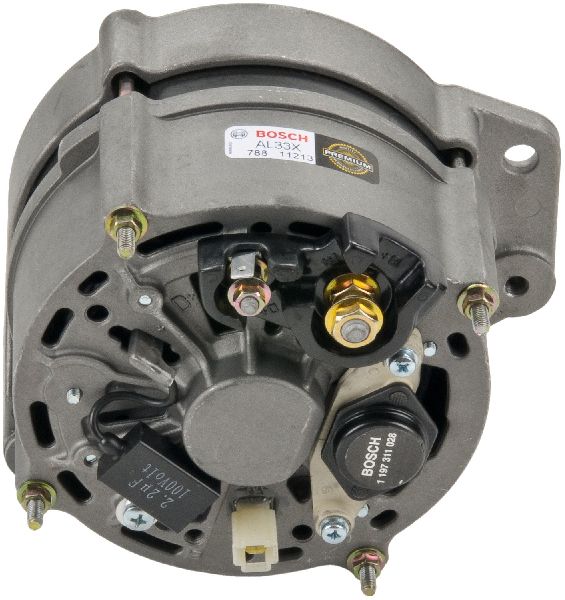
| OEM-Equivalent Quality | Bosch | Bosch was a common original equipment supplier for German cars of this era, and their alternators are widely trusted for quality and fitment. Choosing a new Bosch unit is the safest bet for reliability and is very close to what the car had from the factory. They are typically at the higher end of the aftermarket price range. |
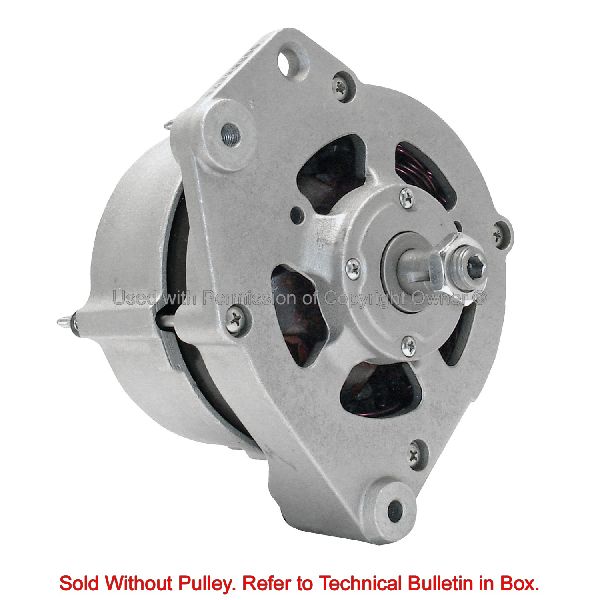
| Standard Aftermarket | MPA (Quality-Built) | Motorcar Parts of America (MPA) is a major supplier of new and remanufactured parts. Their parts are 100% tested and designed to meet original specifications. This is a solid mid-range option for owners looking for a balance of price and reliability. |
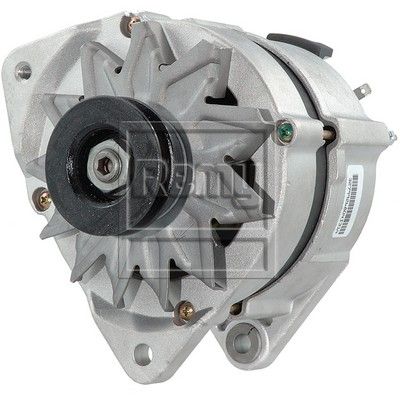
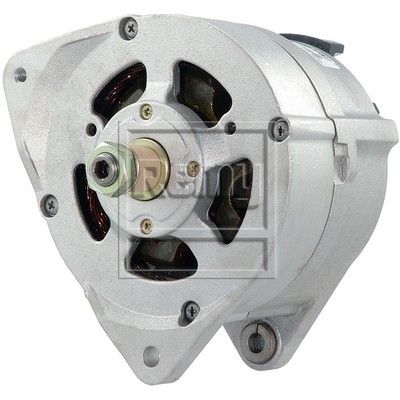
| Economy / Budget | Remy, BBB Industries | These brands offer a more budget-friendly price point. However, some owners have reported premature failures, particularly with bearings, within a year of installation. While they may come with a warranty, the labor to replace a failed part a second time is a major consideration. These are a viable option if the budget is the primary concern. |
Pro Tip: Check the Voltage Regulator & Brushes
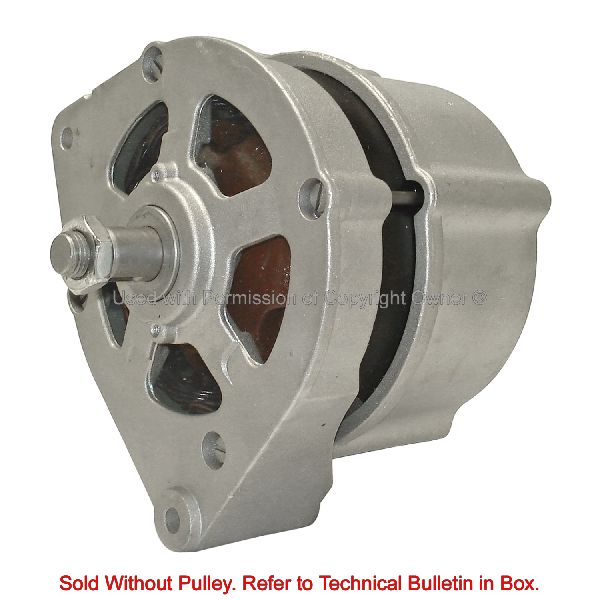
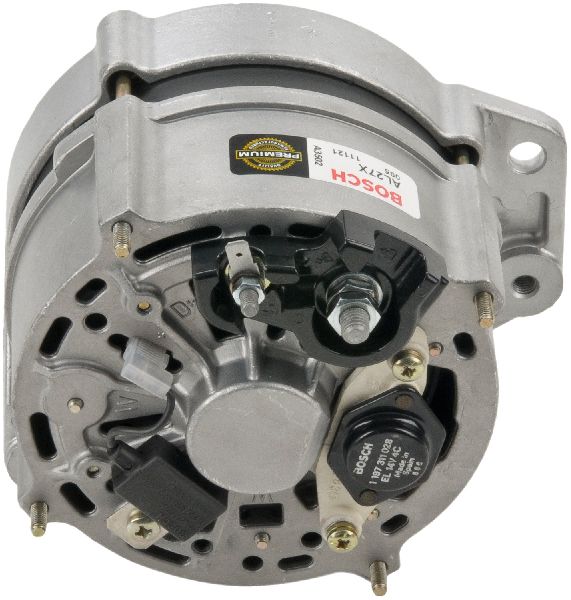
On original Bosch alternators for the Audi 5000, the voltage regulator and brushes are often a single, replaceable assembly held on by two screws. If your alternator is only failing to charge but isn't making noise, you may be able to replace just this part for a fraction of the cost of a full alternator replacement. However, if the bearings are noisy or the unit is very old, replacing the entire alternator is a more reliable long-term repair.
Frequently Asked Questions
Do I need to replace my battery at the same time?
Not always, but it's a good idea to have your battery tested. A failing alternator can't charge a good battery, but a battery that won't hold a charge can also strain a new alternator. If the battery is more than 4-5 years old or has been fully drained multiple times, replacing it with the alternator is wise preventative maintenance.
What is a "core charge"?
Many alternators, especially remanufactured ones, have a "core charge." This is a refundable deposit you pay when you buy the part. You get the deposit back when you return your old, failed alternator to the seller. This allows the manufacturer to rebuild the old part, which is an environmentally friendly practice.
Is a higher amperage alternator better?
For a stock Audi 5000, a higher amperage alternator is not necessary. The original electrical system was designed for the stock amperage. Only consider a higher output unit if you have added significant electrical accessories like a powerful modern stereo system, amplifier, or extra lighting.
How can I test my alternator at home?
With a simple multimeter, you can perform a basic test. Set the multimeter to DC volts. With the car off, a healthy battery should read between 12.4 and 12.7 volts. Start the car and check the voltage again at the battery terminals. A working alternator should be putting out between 13.5 and 14.5 volts. If the voltage is close to the battery's resting voltage or lower while running, the alternator is not charging.
Technical Specifications
The key specification is the amperage output, which must match the original requirements for your specific engine and trim (e.g., 65A, 90A). Always verify the correct amperage for your vehicle's VIN before purchasing.
We Have This Part in Stock

The information in this article is provided for general reference and educational purposes only. Vehicle specifications, procedures, and part compatibility can vary by production date, trim level, and region. Always consult your vehicle's factory service manual and verify part numbers before purchasing or performing repairs. Safety-critical components such as airbags, seat belts, and braking systems should be installed by a qualified professional.