

Audi 5000 Catalytic Converter: A Guide for 1978-1988 Models
If your classic Audi 5000 is losing power or failing an emissions test, the catalytic converter is a likely suspect.
- For the 1978-1988 Audi 5000, aftermarket catalytic converters are the only option; OEM parts are no longer made.
- The main choice is between cheaper 'universal' converters that require welding and more expensive 'direct-fit' parts that are easier to install.
- Symptoms of failure are physical: power loss, rattling sounds, and a rotten egg smell from the exhaust.
- Before replacing the converter, diagnose and fix any engine issues (like misfires or bad fuel mixture) to avoid damaging the new part.
Symptoms of a Failing Catalytic Converter
On a vintage car like the 1978-1988 Audi 5000, converter failure symptoms are usually straightforward. Because these cars have simpler electronics than modern vehicles, you need to pay attention to physical signs rather than just a check engine light.
- Loss of Power: This is the most common sign. If the converter's internal honeycomb breaks apart and clogs the exhaust, your engine can't breathe out. The car will feel sluggish and struggle to accelerate, especially uphill.
- Rattling Noises: A metallic rattle from under the car, especially on startup or when revving the engine, often means the ceramic catalyst inside has broken into pieces.
- Rotten Egg Smell: A strong sulfur or rotten egg smell from the exhaust indicates that the converter is no longer processing unburnt fuel correctly.
- Failed Emissions Test: If you live in an area that requires emissions testing, a bad converter is an automatic failure.
- Poor Fuel Economy: When the engine has to work harder to push exhaust gases through a restriction, it burns more fuel.
Choosing the Right Aftermarket Converter
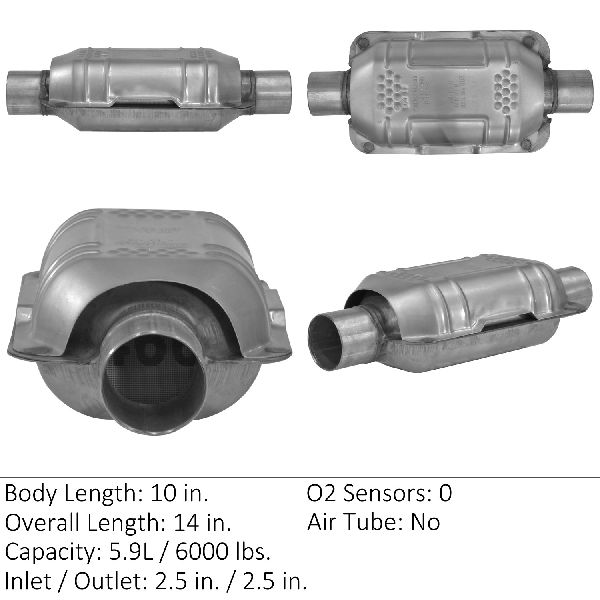
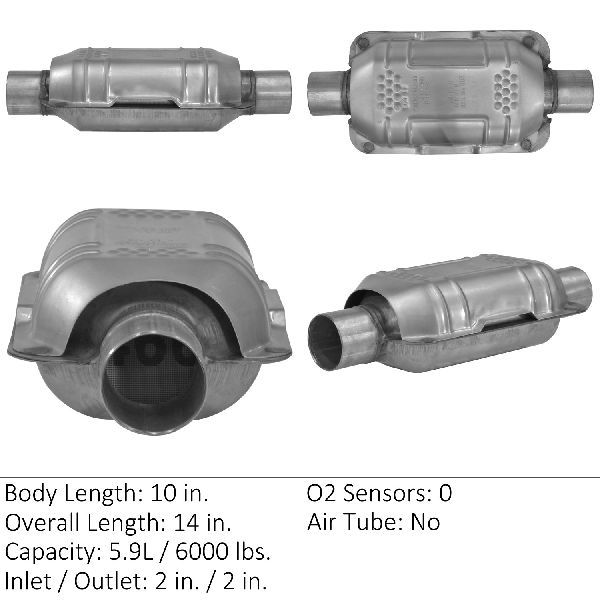
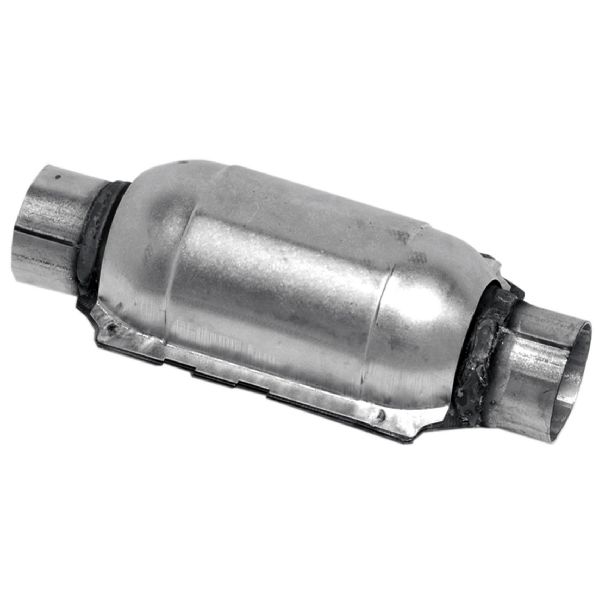
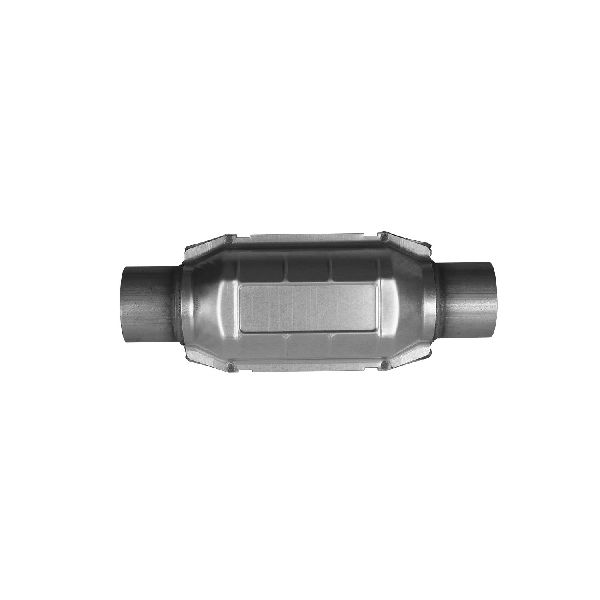
Original Equipment (OEM) catalytic converters for a vehicle of this age are no longer available. Aftermarket is your only option, but quality and fitment vary widely. The main choice you will make is between a less expensive "universal" converter and a more expensive "direct-fit" model.
Aftermarket Brand Tiers for Audi 5000
| Tier | Brands | Description & Best For |
|---|---|---|
| Performance & Premium | MagnaFlow, MagnaFlow Performance Exhaust | These are high-quality, often stainless steel converters built for durability and potentially better exhaust flow. They are typically direct-fit, making installation easier. Best for owners who want a long-lasting, high-performance part. |
| Standard Replacement | Walker Exhaust | Walker is a well-known brand that produces reliable, OEM-style replacement parts. They offer a good balance of quality and cost, and often come in direct-fit configurations for a straightforward installation. |
| Economy & Universal | AP Exhaust, Eastern Catalytic | These brands provide a budget-friendly solution. However, they are often "universal-fit," meaning they are just the converter body. This requires a professional exhaust shop to cut your old pipe and weld the new converter in place, adding to labor costs. Best for situations where budget is the primary concern and you have access to a good welder. |
A Note on Recalls and Service Bulletins
Due to the age of the 1978-1988 Audi 5000, there are no active recalls or Technical Service Bulletins (TSBs) from the manufacturer for the catalytic converter. Any failures are due to the age and wear of the original component.
Frequently Asked Questions
Do I need a direct-fit or universal converter?
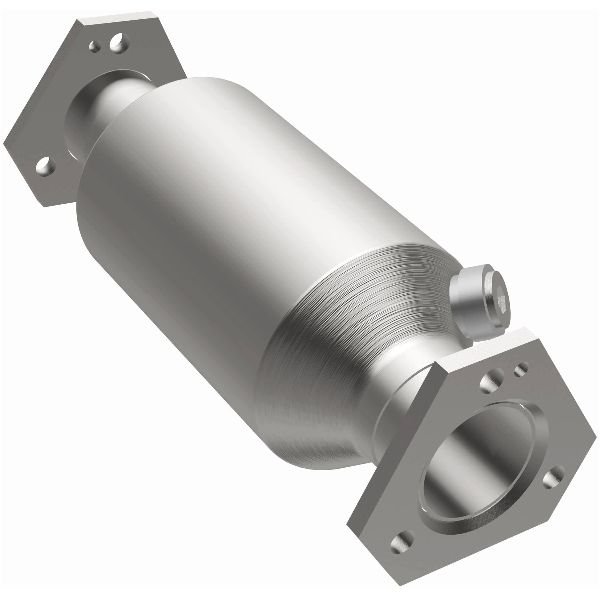
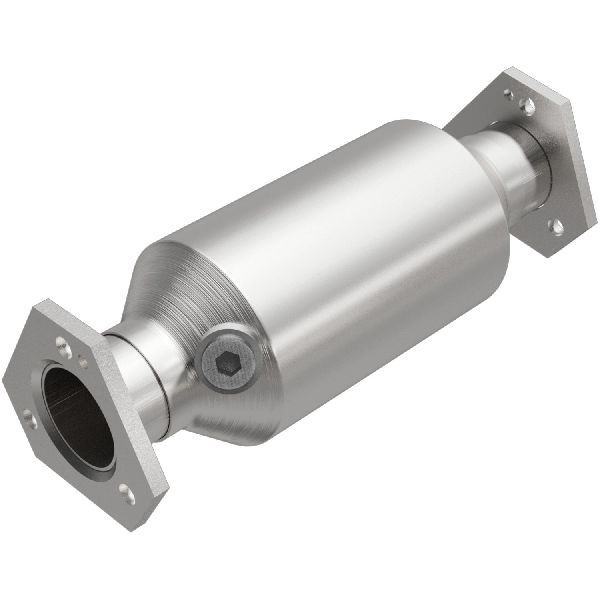
A direct-fit converter is designed to bolt directly into your Audi 5000's exhaust system with no modifications. A universal converter requires cutting the exhaust pipe and welding the new part in place. For a DIY mechanic, direct-fit is the only option. For a professional installation, a universal part can save money on the part itself, but labor costs will be higher.
Why is there such a big price difference in converters?
The price difference ($85 to over $560) comes down to three things: fitment (universal vs. direct-fit), materials (stainless vs. aluminized steel), and the amount of precious metals in the catalyst. Higher-priced converters from brands like Magnaflow use more durable materials and have a higher load of catalysts, ensuring they work longer and more effectively.
Will a new converter fix my engine's running issues?
It's important to fix the root cause of converter failure. A catalytic converter doesn't just fail on its own; it's often killed by another problem. Common causes include engine misfires, a bad oxygen sensor, or leaking fuel injectors dumping raw fuel into the exhaust, which overheats and melts the converter. If you don't fix the underlying issue, you will quickly destroy the new converter.
How difficult is the replacement?
For a direct-fit part on a car that isn't rusted badly, replacement can be a DIY job for an experienced mechanic. It involves unbolting the old unit and bolting in the new one. However, exhaust bolts are often rusted solid and may need to be cut off. A universal converter requires professional cutting and welding. For most owners, having a professional shop do the work is the best choice.
Technical Specifications
Varies by year and engine (gasoline, diesel, turbo). Both universal (weld-in) and direct-fit (bolt-on) configurations are available in the aftermarket. Check fitment for your specific model year and engine type before purchase.
We Have This Part in Stock

The information in this article is provided for general reference and educational purposes only. Vehicle specifications, procedures, and part compatibility can vary by production date, trim level, and region. Always consult your vehicle's factory service manual and verify part numbers before purchasing or performing repairs. Safety-critical components such as airbags, seat belts, and braking systems should be installed by a qualified professional.