

A Guide to Spark Plugs for the 1978-1988 Audi 5000
Choosing the correct spark plug is critical for the health and performance of your classic Audi 5-cylinder engine.
- Always choose spark plugs based on your engine type: turbocharged or non-turbocharged models require different plugs.
- Bosch and NGK are the most recommended brands for reliability and performance in the Audi 5000.
- While most plugs are pre-gapped, it's wise to verify the gap with a tool before installation to ensure optimal performance.
- Consider replacing spark plug wires, the distributor cap, and rotor at the same time for a complete ignition system tune-up.
Signs of Failing Spark Plugs
Worn-out spark plugs can't create a strong, consistent spark. When this happens, you'll notice problems with how your car drives. Ignoring these signs can lead to poor fuel economy and potentially damage other parts of your ignition system, like the ignition coil.
- Rough Idle: The engine may shake or vibrate more than usual when the car is stopped.
- Engine Misfires: You might feel a hesitation or stumble from the engine, especially under acceleration. The check engine light may also come on.
- Trouble Starting: A weak spark makes it harder for the engine to fire up, particularly in cold weather.
- Reduced Power: The car may feel sluggish and slow to accelerate because the fuel isn't burning effectively.
- Worse Fuel Economy: When combustion is inefficient, the engine uses more fuel to produce the same amount of power.
Choosing the Right Aftermarket Spark Plug
Your Audi 5000's engine was designed with specific spark plugs in mind. While you don't need to buy them from a dealer, choosing a quality aftermarket brand that meets original specifications is important. Forum discussions among owners show these engines can run poorly if the wrong plugs are installed. The most critical factor is choosing the correct plug for your specific engine, as the turbocharged models have different requirements than the non-turbo versions.
Brand Quality Tiers
| Tier | Brands | Notes |
|---|---|---|
| OEM-Equivalent | Bosch, NGK | Bosch was a primary original equipment supplier for Audi during this era. Both Bosch and NGK are highly recommended by owners and mechanics for their reliability and compatibility with German engines. You cannot go wrong choosing a plug from these brands that is specified for your car. |
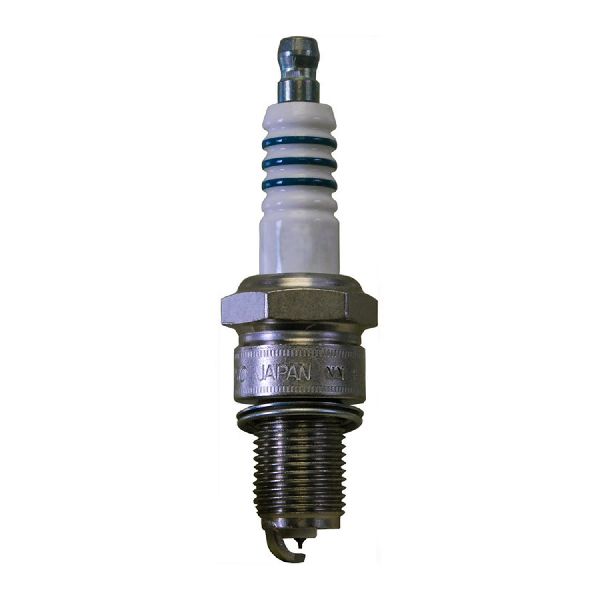
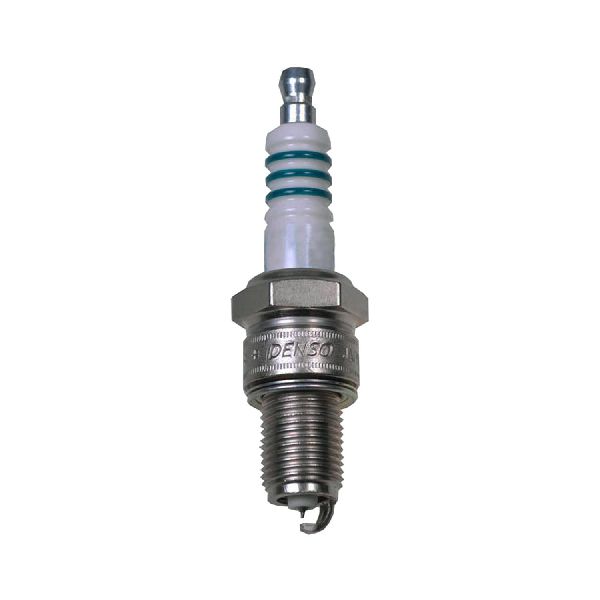
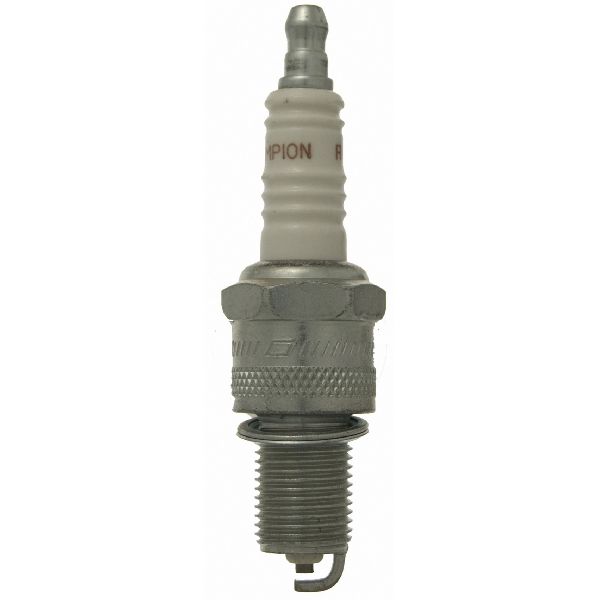
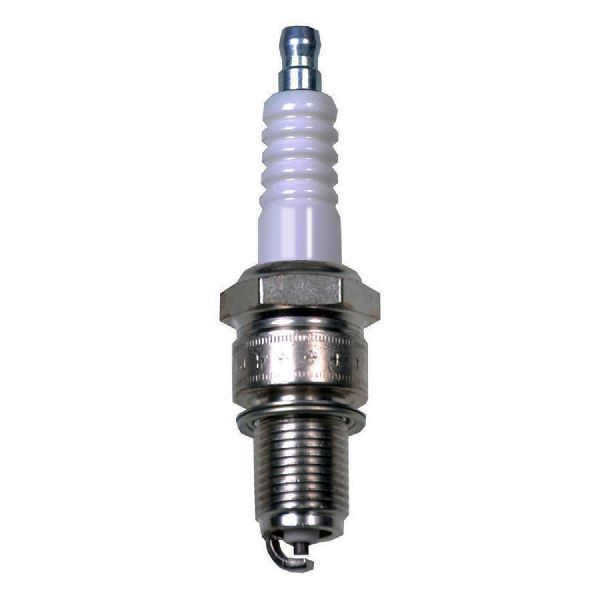
| High-Quality Aftermarket | Denso, Champion | Denso is a well-respected brand known for excellent engineering and quality. Champion is also a viable option, and some owners have noted specific part numbers that work well for both turbo and non-turbo engines. |
| Standard/Economy | Autolite | Autolite is a widely available brand that offers a functional, budget-friendly option. While not commonly discussed by classic Audi enthusiasts, their plugs that cross-reference to the correct OEM part will work for standard driving. |
Turbo vs. Non-Turbo Engines: A Critical Difference
The turbocharged Audi 5000 engines produce more heat and pressure in the cylinders. They require a "colder" heat range spark plug to prevent a dangerous condition called pre-ignition or detonation. Using a plug designed for a non-turbo engine in a turbo model can lead to severe engine damage. Always double-check that the plug you are buying is correct for your specific engine type.
New Aftermarket Spark Plug Cost (1978-1988 Audi 5000)
The cost for a set of five new spark plugs will vary based on the brand and the materials used, such as standard nickel/copper, platinum, or iridium.
| Brand Tier | Price Range (Set of 5) |
|---|---|
| OEM-Equivalent (Bosch, NGK) | $15 - $50 |
| High-Quality Aftermarket (Denso, Champion) | $20 - $60 |
| Standard (Autolite) | $18 - $40 |
Pricing is an estimate for a set of five plugs and does not include labor.
Pro Tip: Consider the Material
Spark plugs come in different materials. Standard plugs use a copper core with a nickel-alloy electrode; they work great but have the shortest lifespan. Platinum and Iridium plugs cost more but last much longer, from 60,000 to over 100,000 miles in some cases. For a classic car that may not be driven daily, standard copper or single platinum plugs from Bosch or NGK are an excellent, cost-effective choice.
Frequently Asked Questions
Which spark plug brand is best for my Audi 5000?
For originality and proven performance, Bosch and NGK are the top choices. Bosch was a common original equipment supplier for this generation of Audi. Sticking with the specific part number recommended by these brands for your engine (turbo or non-turbo) is the safest bet.
Do I really need special plugs for my Turbo model?
Yes, absolutely. Turbocharged engines run hotter and require a spark plug with a colder heat range to transfer heat away from the combustion chamber more quickly. Using the wrong heat range can lead to engine knock and serious internal damage.
What is a spark plug 'gap' and do I need to check it?
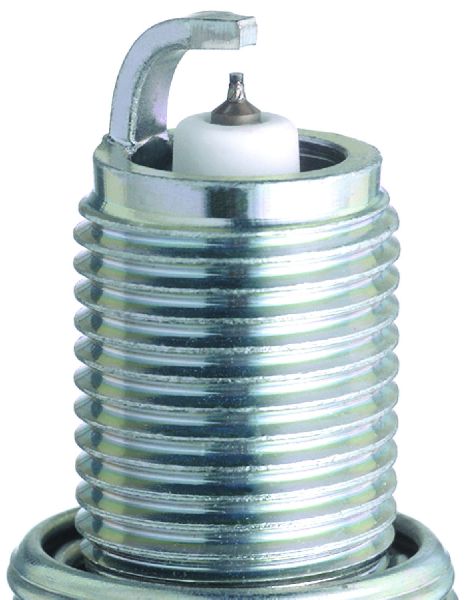
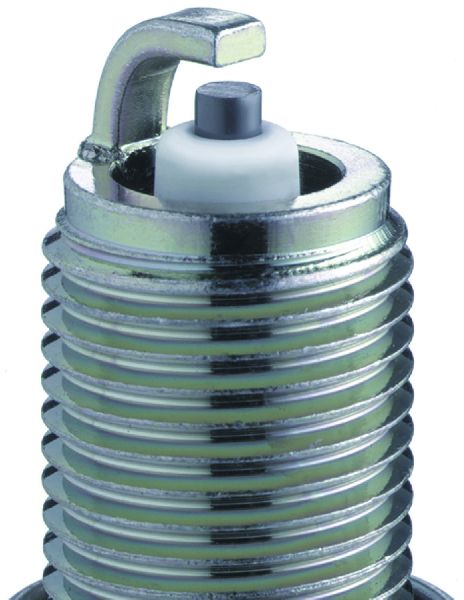
The gap is the small space between the center and ground electrodes at the tip of the plug. While most modern plugs come pre-gapped, it is always a good practice to check them with a gap gauge before installation to ensure they match your car's specifications. An incorrect gap can cause misfires and poor performance.
My engine is misfiring but I changed the plugs. What else could it be?
If new, correct spark plugs don't solve a misfire, the issue could be with other ignition components. On the Audi 5000, this includes the spark plug wires, the distributor cap, and the rotor. These parts wear out over time and should be inspected or replaced along with the plugs as part of a complete tune-up.
Technical Specifications
OEM Part Numbers: W7DC WR7DC W7DTC
Thread Size: 14mm Number of Plugs: 5 Ignition System: Distributor-based
We Have This Part in Stock

The information in this article is provided for general reference and educational purposes only. Vehicle specifications, procedures, and part compatibility can vary by production date, trim level, and region. Always consult your vehicle's factory service manual and verify part numbers before purchasing or performing repairs. Safety-critical components such as airbags, seat belts, and braking systems should be installed by a qualified professional.