

Chevrolet Monte Carlo Engine Mount Guide (1978-1989)
Experiencing vibrations or clunking noises in your G-body Monte Carlo? It might be time for new engine mounts.
- Bad engine mounts on a 1978-1989 Monte Carlo cause vibration, clunking noises, and visible engine movement.
- For a stock ride, choose quality rubber replacements from brands like Pioneer; for performance, use polyurethane from Energy Suspension but expect more vibration.
- Always replace engine mounts in pairs and inspect the transmission mount at the same time.
- Ignoring a failed mount can lead to damage to other components like hoses, wiring, and exhaust parts.
Is Your Monte Carlo's Engine Shaking or Clunking?
The engine mounts in your 1978-1989 Monte Carlo are designed to hold the engine in place and absorb vibrations. Because these cars are now classics, the original rubber mounts have likely reached the end of their service life. When they fail, you'll notice. The signs can start small but will get worse over time, potentially causing damage to other parts.
Symptoms of a Failing Engine Mount
If your engine mounts are bad, your car will tell you. Here are the most common signs to watch for:
- Excessive Vibration: This is the most common symptom. You might feel a rough idle or shaking through the steering wheel, floor, or seats that gets worse when the A/C is on or when the car is in gear.
- Loud Noises: A 'clunk' or 'thud' when you accelerate, decelerate, or shift from drive to reverse is a clear sign. This noise is the engine moving too much and hitting other components.
- Visible Engine Movement: Open the hood and have a helper briefly shift the car between drive and reverse with the brake pedal held down. If the engine rocks or lifts more than an inch or two, the mounts are worn out.
- Tilted Engine: In severe cases, you might be able to see that the engine is sagging or sitting crooked in the engine bay.
Don't Ignore the Signs
A completely failed engine mount can allow the engine to move excessively, which can damage hoses, wiring, and even the transmission linkage. It's a problem that should be addressed sooner rather than later.
Choosing the Right Aftermarket Mount
For a vehicle of this age, original OEM (Original Equipment Manufacturer) mounts are generally not a practical option. The good news is that the aftermarket offers a wide range of choices that fit the V6 and V8 engines used in these Monte Carlos. They fall into a few categories:
Tier 1: Standard Rubber Replacements
These are designed to be like the original factory mounts. They offer a smooth, quiet ride by absorbing engine vibrations effectively. They are the most affordable option and are perfect for daily drivers and classic restorations where comfort is a priority.
- Pioneer: Often considered a higher-quality standard replacement. Forum users and reviews suggest they have good fit and function, comparable to original parts.
- Anchor, DEA, Westar: These brands are widely available and very budget-friendly. However, online reviews and forum discussions show mixed results. Some owners report premature failure or fitment issues, while others have used them without problems. They can be a viable option if budget is the main concern, but longevity may be shorter.
Tier 2: Performance Polyurethane Mounts
If you've modified your Monte Carlo for more power or use it for performance driving, polyurethane mounts are a great upgrade. Polyurethane is a much stronger material than rubber.
- Energy Suspension: This is the most well-known brand for polyurethane performance parts. Their mounts will drastically reduce engine movement, improving throttle response and durability. The trade-off is a noticeable increase in cabin vibration and noise (often called NVH - Noise, Vibration, and Harshness). This is not ideal for a comfortable cruiser but is excellent for a weekend performance car.
Pro Tip: Check the Transmission Mount Too
While you're replacing the engine mounts, it's a very good idea to inspect and likely replace the transmission mount as well. It's an inexpensive part that suffers from the same age and wear issues. Replacing all mounts at once ensures the entire drivetrain is secure.
Cost of Replacing Monte Carlo Engine Mounts
| Part Type | Estimated Cost |
|---|---|
| New Aftermarket (Standard Rubber) | $15 - $45 per mount |
| New Aftermarket (Polyurethane) | $50 - $110 per set |
| Shop Labor | $150 - $300 |
Frequently Asked Questions
How do I know for sure my engine mounts are bad?
The best way is to perform a visual check. With the engine off, look for cracks in the rubber or signs of the rubber separating from the metal. Then, with a helper in the driver's seat, watch the engine as they hold the brakes and shift from Park to Drive and to Reverse. Any large lurching or lifting motion points to a failed mount.
Should I use standard rubber or polyurethane mounts?
For most owners who use their Monte Carlo as a daily driver or a comfortable cruiser, standard rubber mounts are the best choice. They provide a smooth ride just like the original. If your car is a high-performance build or sees track time, polyurethane mounts offer better control and durability, but you will feel more engine vibration inside the car.
Do I need to replace both engine mounts at the same time?
Yes, it is highly recommended. Engine mounts are sold individually, but they wear out at a similar rate. If one has failed, the other is likely not far behind. Replacing them in pairs ensures proper engine alignment and prevents the new mount from being stressed by an old, worn-out one on the other side.
Is replacing engine mounts a DIY job?
For a mechanically inclined person with the right tools, yes. The process involves supporting the engine from underneath with a jack and a block of wood, unbolting the old mounts from the frame and engine, and installing the new ones. However, it requires working under the vehicle and supporting the engine, so safety is critical. If you are not comfortable with this, it's best to have a professional mechanic do the job.
Technical Specifications
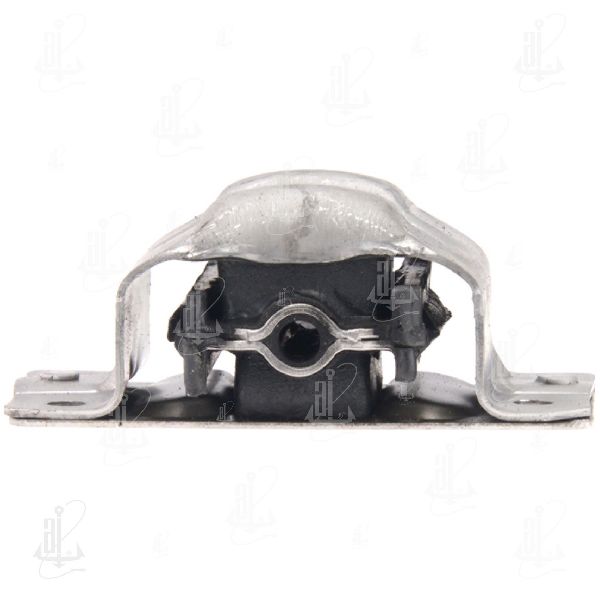
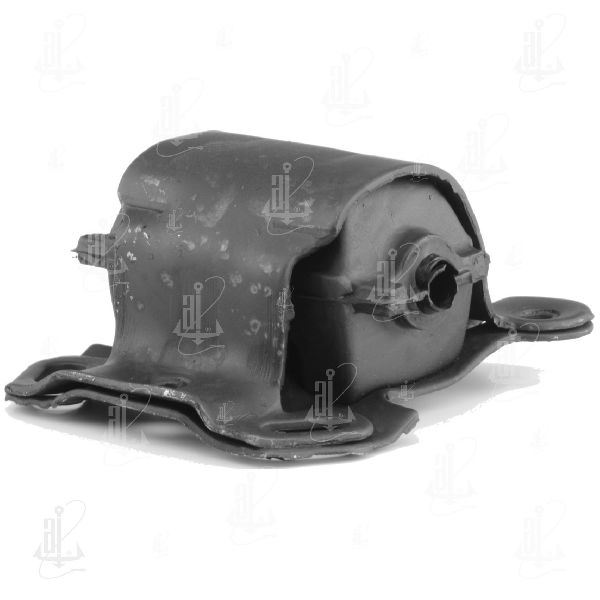
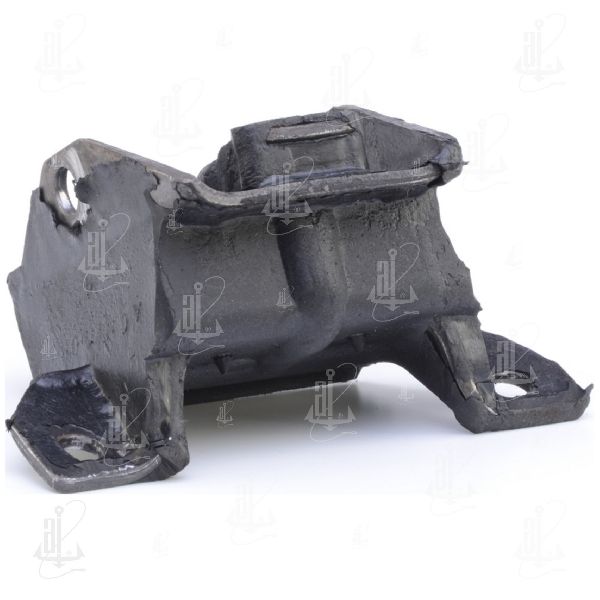
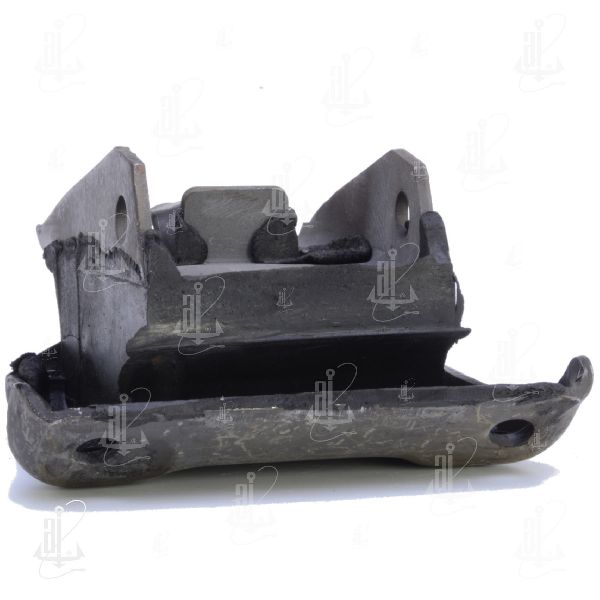
Fits 1978-1989 Chevrolet Monte Carlo models with V6 or V8 engines. Mounts are typically a two-bolt or three-bolt design with a metal housing and rubber or polyurethane insert. The 'clamshell' style mount is common for this platform.
We Have This Part in Stock


The information in this article is provided for general reference and educational purposes only. Vehicle specifications, procedures, and part compatibility can vary by production date, trim level, and region. Always consult your vehicle's factory service manual and verify part numbers before purchasing or performing repairs. Safety-critical components such as airbags, seat belts, and braking systems should be installed by a qualified professional.
- 🛍️ Shop This Part
- Is Your Monte Carlo's Engine Shaking or Clunking?
- Symptoms of a Failing Engine Mount
- Don't Ignore the Signs
- Choosing the Right Aftermarket Mount
- Tier 1: Standard Rubber Replacements
- Tier 2: Performance Polyurethane Mounts
- Pro Tip: Check the Transmission Mount Too
- Cost of Replacing Monte Carlo Engine Mounts
- Frequently Asked Questions
- 🎟️ Get 5% Off