

Dodge D100 Front Disc Brake Caliper Guide: 1978-1989
Everything you need to know before replacing the front brake calipers on your classic Dodge D100 truck.
- A failing caliper is a critical safety issue; do not drive if you suspect a problem.
- Always replace calipers in pairs (left and right) to ensure balanced braking.
- Choose between new aftermarket calipers for maximum reliability or remanufactured calipers for a budget-friendly option, but be aware of potential quality differences.
- During installation, verify the bleeder screw is on top to properly bleed air from the system.
Symptoms of a Failing Brake Caliper
Brake calipers are built to last a long time, but they can fail from age, rust, and contamination. A failing caliper is a serious safety issue. Look for these common signs.
- Vehicle Pulling to One Side: When you brake, the truck may pull sharply to the left or right. This can happen if one caliper is seized and not applying pressure, or stuck and not releasing.
- Spongy or Soft Brake Pedal: If a caliper seal fails and leaks brake fluid, you'll lose hydraulic pressure. This makes the brake pedal feel soft or go closer to the floor.
- Visible Brake Fluid Leaks: You might see fluid around the wheel or on the inside of the tire. Leaks can come from the piston seal or the bleeder screw.
- Squealing or Grinding Noises: A stuck caliper can cause the brake pads to drag constantly on the rotor, leading to continuous noise even when you aren't braking.
- Burning Smell: A caliper that is stuck will create constant friction, causing the brake assembly to overheat. This can produce a distinct burning chemical smell.
- Uneven Brake Pad Wear: When inspecting your brakes, if the pads on one side are significantly more worn than the other, it often points to a sticking caliper slider or piston.
Choosing the Right Aftermarket Caliper
For a vehicle from this era, finding new Original Equipment (OEM) calipers is nearly impossible. Your choice will be between new aftermarket calipers and remanufactured aftermarket calipers.
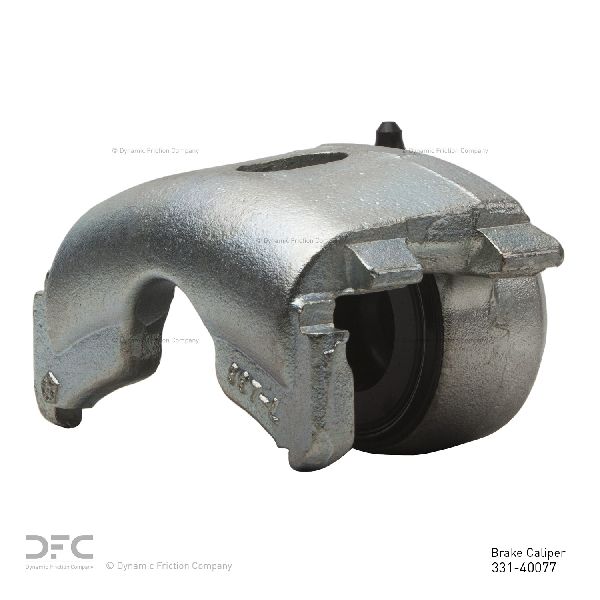
1. New Aftermarket Calipers (Example: Dynamic Friction)
New calipers are made from 100% new components. Brands like Dynamic Friction focus on producing completely new parts that meet or exceed original specifications.
- Pros: Highest reliability, no concerns about previous wear or corrosion, and no core charge to deal with. They often come with a rust-protective coating.
- Cons: They are typically the most expensive option.
2. Remanufactured Aftermarket Calipers (Examples: Cardone, BBB Industries)
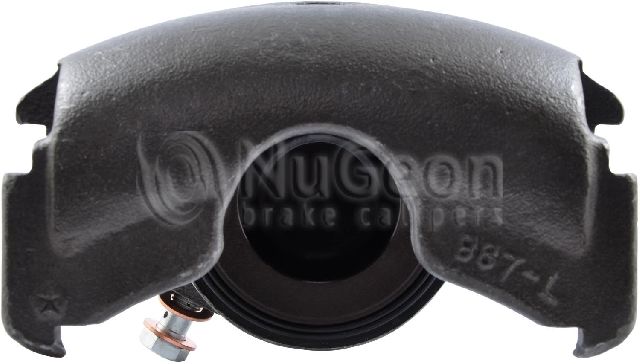
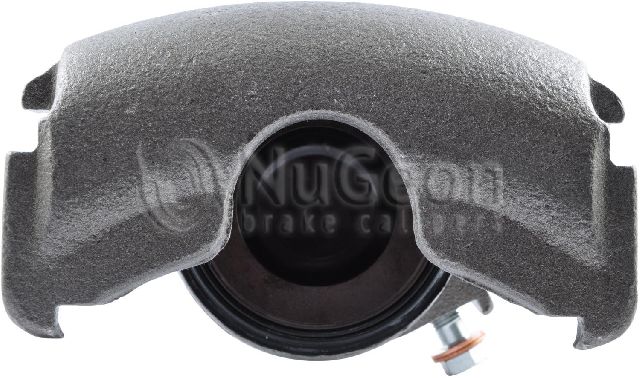
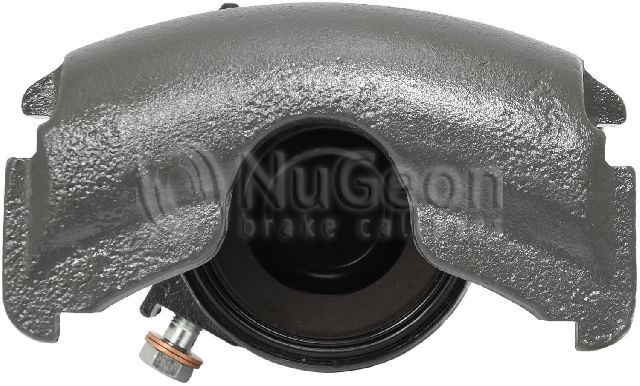
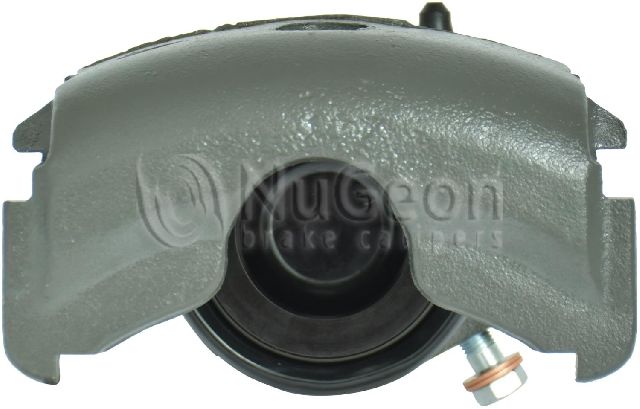
Remanufactured calipers are original caliper cores that have been disassembled, cleaned, and rebuilt with new seals, boots, and other wear components. Brands like Cardone and BBB Industries are common providers of remanufactured parts.
- Pros: More affordable than new calipers and environmentally friendly since the main casting is reused.
- Cons: Quality can be inconsistent. Some user reviews mention issues like sloppy paint, reused hardware, or even incorrect parts. You must return your old caliper (the "core") to get a deposit back, which adds a step to the process.
Mechanic's Pro-Tip
When installing your new calipers, make sure the bleeder screw is at the highest point. The left and right calipers can sometimes be installed on the wrong sides. If the bleeder screw is on the bottom, you will never be able to get all the air out of the system, resulting in a spongy pedal.
Estimated Costs for a 1978-1989 Dodge D100
Prices can vary based on the brand and whether the caliper is new or remanufactured. It is highly recommended to replace calipers in pairs to ensure even braking performance.
| Part Type | Estimated Cost (Per Caliper) |
|---|---|
| New Aftermarket | $70 - $120 |
| Remanufactured Aftermarket | $40 - $80 (plus a refundable core deposit) |
| Shop Labor | $100 - $200 per side |
Frequently Asked Questions (FAQ)
Should I replace both front calipers at the same time?
Yes. It is critical to replace calipers in pairs (both front left and front right). If you only replace one, you can create a dangerous braking imbalance where one side brakes stronger than the other. The other caliper is also likely near the end of its service life.
What is a "core charge"?
A core charge is a deposit you pay when buying a remanufactured part. You get this deposit back when you return your old, worn-out caliper to the parts store. This allows the manufacturer to rebuild it for the next customer. New calipers do not have a core charge.
What are common mistakes when ordering?
The biggest mistake is ordering for the wrong year. While the 1978-1989 range is similar, there can be differences in fitment. Part listings show breaks in compatibility, for example, between 1979 and 1984 models. Always double-check that the part you are ordering fits your exact year and model D100.
Do I have to bleed the brakes after replacing a caliper?
Absolutely. Whenever you open the hydraulic system by removing a caliper, air gets in. You must bleed the brake system to remove all air bubbles. Failure to do so will result in a spongy pedal and severely reduced braking power.
Technical Specifications
Design: Single-piston floating caliper.
We Have This Part in Stock

The information in this article is provided for general reference and educational purposes only. Vehicle specifications, procedures, and part compatibility can vary by production date, trim level, and region. Always consult your vehicle's factory service manual and verify part numbers before purchasing or performing repairs. Safety-critical components such as airbags, seat belts, and braking systems should be installed by a qualified professional.
- 🛍️ Shop This Part
- Symptoms of a Failing Brake Caliper
- Choosing the Right Aftermarket Caliper
- 1. New Aftermarket Calipers (Example: Dynamic Friction)
- 2. Remanufactured Aftermarket Calipers (Examples: Cardone, BBB Industries)
- Mechanic's Pro-Tip
- Estimated Costs for a 1978-1989 Dodge D100
- Frequently Asked Questions (FAQ)
- 🎟️ Get 5% Off