

Ignition Coil Guide for the 1978-1979 Dodge Magnum
Keep your classic B-Body Mopar firing on all cylinders with the right ignition coil.
- Verify the correct model years; this classic Magnum was only produced from 1978-1979.
- Symptoms like no-start, stalling, and rough idle are common indicators of a failing coil.
- Determine if your new coil requires the factory ballast resistor; mismatching can cause damage.
- Choose a brand based on your needs: MSD/Accel for performance, or Standard/NGK for reliable stock replacement.
A Note on Model Years
This guide is specifically for the Dodge Magnum coupe produced for the North American market. It's important to note that this B-body platform vehicle was only made for two model years: 1978 and 1979. The ignition system is a traditional setup typical of the late 1970s and is very different from the later Dodge Magnum station wagon produced from 2005-2008.
Symptoms of a Failing Ignition Coil
Ignition coils on these classic Mopars can fail from age, heat, and vibration. When your coil starts to go bad, it usually won't be subtle. The symptoms are often classic signs of ignition trouble. You might experience one or more of the following issues:
🎬 Watch: A quick guide to common bad ignition coil symptoms.- No Start or Hard Starting: The most common symptom. The engine will crank but won't fire up, or it may take a very long time to start.
- Stalling: The engine may stall unexpectedly, especially after it has warmed up, and may not restart until it cools down.
- Rough Idle and Misfiring: The engine may run poorly, shake, or sound like it's sputtering, especially at idle.
- Poor Performance and Lack of Power: You'll notice the car feels sluggish and weak during acceleration.
- Backfiring: Loud popping from the exhaust can occur when unburnt fuel ignites in the hot exhaust system.
- Worsening Fuel Economy: An inefficient spark leads to incomplete combustion, forcing the engine to use more fuel.
Is it the Coil or Something Else?
The ignition system on your Magnum is a connected system. Problems with the electronic control unit (ECU), ballast resistor, distributor pickup, or even wiring 🎬 See how to identify common Mopar ignition module problems. can mimic a bad coil. A common issue on these Mopars is a failing ballast resistor, which controls the voltage to the coil. It's a good practice to diagnose the system before replacing parts.
🎬 Watch: Troubleshooting no spark issues on Mopar electronic ignitions.Choosing the Right Aftermarket Coil
For a vehicle of this age, finding a "New Old Stock" (NOS) OEM coil is unlikely and often not necessary. Modern aftermarket coils from reputable brands offer technology and reliability that is often superior to the original 1970s parts. The key is to choose the right brand for your needs.
Brand Tiers for Your Magnum
Here’s a breakdown of the available brands, from performance-oriented to standard replacement options:
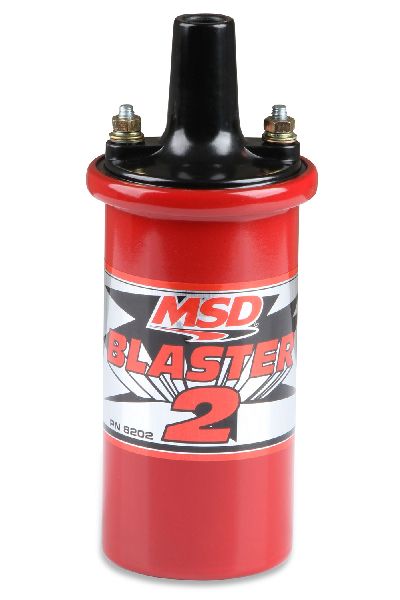
- Performance Tier (MSD, Accel): These brands are for owners looking to upgrade their ignition system, often in conjunction with other performance parts like an aftermarket ignition box or distributor. MSD's Blaster coils are a popular choice for classic Mopar builds. Accel also offers well-regarded performance coils, though some users in forums report mixed long-term reliability compared to MSD. These are a great choice if you're looking for the hottest spark possible.
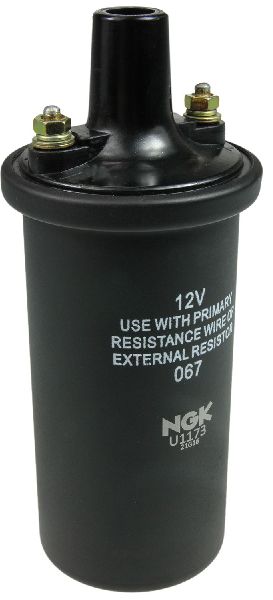
- Standard Replacement Tier (Standard Ignition, NGK, Spectra): These brands are the go-to for a reliable, stock-level replacement. Standard Motor Products (SMP) has been a major player in ignition parts for decades and is generally considered a high-quality choice for domestic vehicles. NGK and Spectra also have a strong reputation for producing dependable OEM-equivalent parts. You can't go wrong with these brands for a daily driver or stock restoration.
- Economy Tier (DriveWire, Global Parts, WAI Global, Walker Products): These brands provide a functional part at the lowest price point. While they can get your car back on the road, their long-term durability and performance may not match the higher-tier brands. They are a viable option if budget is your primary concern.
Pro Tip: Check Your Ballast Resistor
The factory ignition system on your Magnum uses a ballast resistor to reduce voltage to the coil during normal operation. Some aftermarket coils are designed to work with the resistor, while others are designed to be used without it (often labeled as having "internal resistance"). Using the wrong coil can lead to premature failure of the coil or other ignition components. Always check the coil's specifications to see if it requires an external ballast resistor.
| Part Type | Estimated Cost |
|---|---|
| New Aftermarket Ignition Coil | $20.40 - $85.56 |
| Shop Labor | $50 - $150 |
Frequently Asked Questions (FAQ)
Are there any recalls for the 1978-1979 Magnum ignition coil?
No, searches of the National Highway Traffic Safety Administration (NHTSA) database show no recalls specifically for the ignition coil on the 1978-1979 Dodge Magnum. Any known issues are typically related to the age of the components rather than a manufacturing defect.
How difficult is it to replace the ignition coil myself?
This is a very easy job for a DIY mechanic. The ignition coil is typically mounted on the engine or firewall with a simple bracket. It involves disconnecting the battery, unplugging two small wires (positive and negative), removing the main high-tension wire that goes to the distributor, and unbolting the bracket. The entire process usually takes less than 30 minutes with basic hand tools.
Do I need a special coil for my engine (318, 360, or 400 V8)?
Generally, no. The same standard canister-style ignition coil works for all the V8 engines offered in the Magnum (5.2L/318ci, 5.9L/360ci, and the 6.6L/400ci available in 1978). However, if you are upgrading to a high-energy ignition system (like an MSD box), you should use the coil recommended by the manufacturer of that system.
What is the difference between an oil-filled and an epoxy-filled coil?
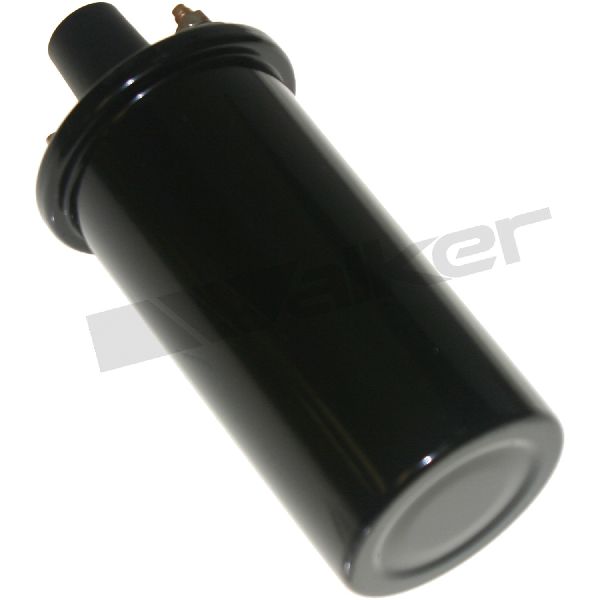
Traditional coils are filled with oil to help cool the internal windings. Most modern performance and many standard replacement coils are epoxy-filled. Epoxy is a better insulator, is more resistant to vibration, and can often be mounted in any direction, whereas oil-filled coils should be mounted upright. For most applications on a Magnum, either type will work well, but epoxy-filled coils are generally considered more durable.
Helpful Videos
![No Spark Troubleshooting [Mopar Electronic Ignition with Ballast Resistor]](https://img.youtube.com/vi/RiC8OaSXMs8/mqdefault.jpg)
Technical Specifications
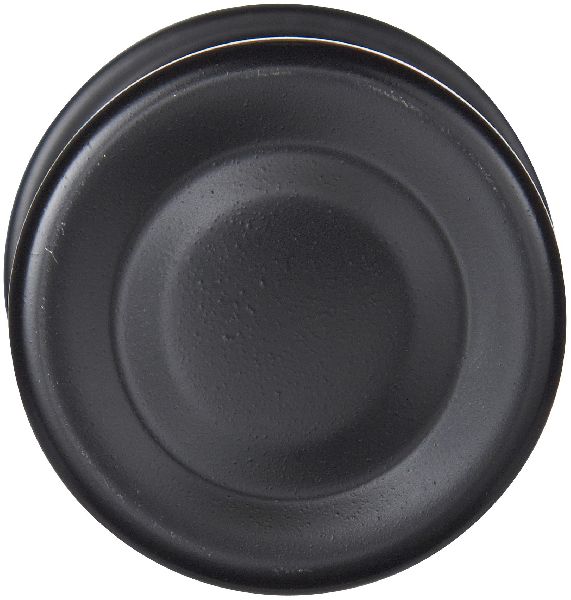
The ignition system uses a single, canister-style ignition coil. Most original systems require an external ballast resistor. The engines available were the 5.2L (318ci), 5.9L (360ci), and 6.6L (400ci) V8s.
We Have This Part in Stock


The information in this article is provided for general reference and educational purposes only. Vehicle specifications, procedures, and part compatibility can vary by production date, trim level, and region. Always consult your vehicle's factory service manual and verify part numbers before purchasing or performing repairs. Safety-critical components such as airbags, seat belts, and braking systems should be installed by a qualified professional.