

Engine Timing Cover Guide for the 1978-1992 GMC Jimmy
Stop oil and coolant leaks by choosing the right timing cover for your classic Small Block Chevy-powered Jimmy.
- The timing cover on V8 models is part of the cooling system; a bad gasket can cause coolant leaks and overheating.
- Always replace the timing cover gaskets and front crankshaft seal when replacing the cover.
- Consider upgrading from a basic stamped steel cover to a more rigid cast aluminum one for better sealing and durability.
- Since the labor is intensive, it is wise to replace the timing chain and gears while the cover is off.
Symptoms of a Failing Timing Cover
A bad timing cover or gasket can cause noticeable issues. Because it seals both oil and coolant, you could see leaks of either fluid. The most common failure is the gasket wearing out over time due to heat and age, causing it to dry out, shrink, and crack. Physical damage, like cracks in the cover from an impact or overtightened bolts, can also cause leaks.
- Oil Leaks: The most common sign is engine oil dripping from the front of the engine, behind the main crankshaft pulley. This can create a mess on the underside of your engine and leave puddles on the ground.
- Coolant Leaks: On V8 models, you might notice coolant leaking from around the water pump mounting area. This happens because the timing cover gasket seals the coolant passages between the block and the water pump. A failure here can lead to overheating if not addressed.
- Low Fluid Levels: A persistent leak will cause your oil or coolant levels to drop over time. You might find yourself constantly topping off fluids, or your oil warning light may come on.
- Rough Running Engine: In severe cases where the cover is damaged or loose, debris can enter the timing chain area. This can interfere with the timing components and cause the engine to run poorly.
Choosing the Right Aftermarket Timing Cover
Since new OEM timing covers for a classic Jimmy are generally unavailable, the aftermarket is your go-to source. The good news is that aftermarket options often provide an upgrade over the original factory parts, which were sometimes made of thin stamped steel that could warp or rust. When choosing a replacement, consider the material and your intended use.
Brand & Quality Tiers
| Tier | Brands | Description & Materials |
|---|---|---|
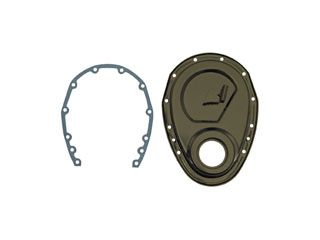
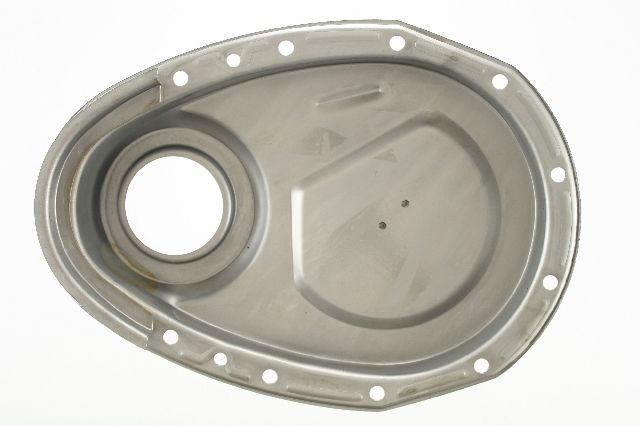
| Standard Replacement | Dorman, Pioneer Cable, ATP | These brands offer direct, OE-style replacements. They are often made from stamped steel, similar to the original part, and are a cost-effective solution for a stock vehicle. They typically come as a kit with the necessary gaskets and front seal. |
| Heavy-Duty / Premium | Cloyes | Cloyes is well-regarded for timing system components and often considered a step up in quality. While sometimes associated with premature wear on different engine families, for traditional pushrod V8s like the SBC, their reputation is generally strong. These parts are designed for durability. |
| Performance & Appearance | Edelbrock, Mr Gasket, Proform, Spectre, Trans-dapt | These brands specialize in performance parts. Their timing covers are frequently made from cast aluminum, which is thicker and less prone to flexing than stamped steel. They are available in various finishes like polished, chrome, or black to improve engine bay aesthetics. Some, like certain Edelbrock models, even offer a two-piece design for easier camshaft access without removing the oil pan. |
Pro Tip: Upgrading to a cast aluminum timing cover from a brand like Edelbrock or Proform can provide a better seal and more rigidity than the original stamped steel cover, reducing the chance of future leaks.
Frequently Asked Questions
Should I replace my timing chain and gears at the same time?
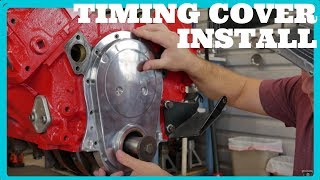
Yes, it is highly recommended. The timing cover must be removed to access the timing chain and gears. Since the labor is already being done, it is cost-effective to replace these wear items 🎬 Watch a step-by-step timing chain cover replacement guide. at the same time, especially on a high-mileage engine.
What is the difference between a stamped steel and a cast aluminum cover?
Stamped steel covers are made from a thin sheet of steel and are similar to what many of these trucks came with from the factory. They are inexpensive but can be prone to warping or rusting. Cast aluminum covers are thicker, more rigid, and dissipate heat better. They provide a more stable sealing surface and are often preferred for performance or heavy-duty applications.
Do new timing covers come with gaskets and seals?
Most aftermarket timing covers are sold as kits that include a new timing cover gasket, water pump gaskets, and a front crankshaft seal. However, always verify the contents of the kit before purchasing to ensure you have all the necessary components.
Can a bad timing cover cause the engine to overheat?
Yes. On Small Block Chevy V8s, the timing cover gasket seals coolant passages between the engine block and the water pump. If this gasket fails, it can cause a significant coolant leak, leading to low coolant levels and engine overheating.
Are there any recalls for the timing cover on a 1978-1992 GMC Jimmy?
No, searches of the National Highway Traffic Safety Administration (NHTSA) database did not find any recalls or technical service bulletins (TSBs) specifically related to the engine timing cover for the 1978-1992 GMC Jimmy. Any issues are typically due to age-related wear and tear.
Helpful Videos
Technical Specifications
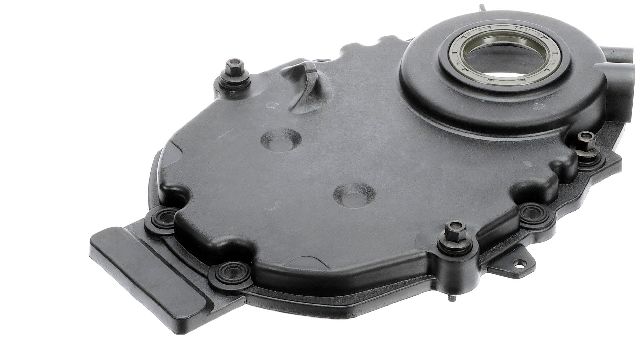
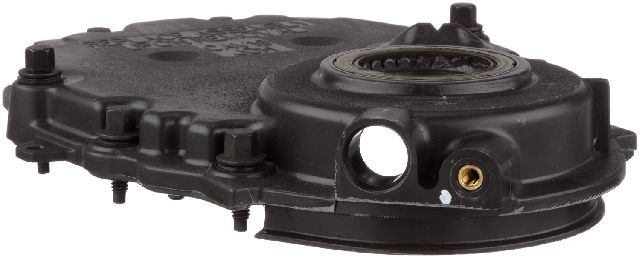
Common materials include stamped steel and cast aluminum. Most aftermarket kits include the cover, front crankshaft seal, timing cover gasket, and water pump gaskets. Compatibility varies based on the specific Small Block Chevy engine (e.g., 283, 305, 350, 400) and water pump style (short vs. long).
We Have This Part in Stock


The information in this article is provided for general reference and educational purposes only. Vehicle specifications, procedures, and part compatibility can vary by production date, trim level, and region. Always consult your vehicle's factory service manual and verify part numbers before purchasing or performing repairs. Safety-critical components such as airbags, seat belts, and braking systems should be installed by a qualified professional.