

Dodge D150 Front Disc Brake Caliper Guide (1978-1993)
Everything you need to know about replacing the front brake calipers on your classic Dodge D150 pickup.
- Symptoms of a bad caliper on your D150 include pulling, dragging, fluid leaks, and a burning smell.
- Always consider replacing the flexible rubber brake hose when installing a new caliper, as an old hose can cause identical symptoms.
- For this truck, new aftermarket calipers from brands like Cardone, Dynamic Friction, or BBB Industries are reliable and cost-effective replacements.
- It is strongly recommended to replace calipers in pairs (both front wheels) to ensure balanced braking.
Is Your D150's Brake Caliper Failing?
Brake calipers on a 1978-1993 Dodge D150 are built to be tough, but they don't last forever. Corrosion, old brake fluid, and simple wear and tear can cause them to fail. The most common failure is a seized or sticking caliper piston or slide pins. This can cause the brake on one wheel to either not apply correctly or, more often, fail to release.
Key Failure Symptoms
- Truck Pulls to One Side: When you brake, the truck may pull sharply to the left or right. A stuck caliper can also cause pulling even when you're just driving straight.
- Brake Dragging: It might feel like the truck is struggling to move, as if the parking brake is partially on. This is a classic sign of a caliper that isn't releasing the brake pad from the rotor.
- Burning Smell: A dragging brake creates constant friction, which generates extreme heat. You may notice a hot, burning chemical or metallic smell coming from one of the front wheels after a drive.
- Visible Brake Fluid Leak: You might see fluid leaking around the wheel or on the inside of the tire. Leaks can come from a worn piston seal or the bleeder screw.
- Spongy or Soft Pedal: If a caliper is leaking fluid, the brake pedal may feel soft or go closer to the floor than usual.
- Loud Noises: A clanging or rattling noise over bumps could indicate worn-out mounting hardware on the D150's sliding calipers. A continuous squealing or grinding noise can happen if a stuck caliper wears the brake pad down to the metal.
Check the Flexible Brake Hose
Before you replace a caliper, check the flexible rubber brake hose that connects to it. Over time, these hoses can collapse internally. This acts like a one-way valve, trapping brake fluid and keeping the caliper applied, perfectly mimicking the symptoms of a stuck caliper. If you're replacing a caliper, it's smart to replace the old brake hose at the same time.
Choosing a New Aftermarket Caliper
For a truck from this era, finding new original equipment (OEM) calipers from Mopar is highly unlikely. The most common and practical solution is a new or remanufactured aftermarket caliper. Aftermarket quality is generally considered good for this application, and it's what most owners use.
| Brand | Tier | Notes |
|---|---|---|
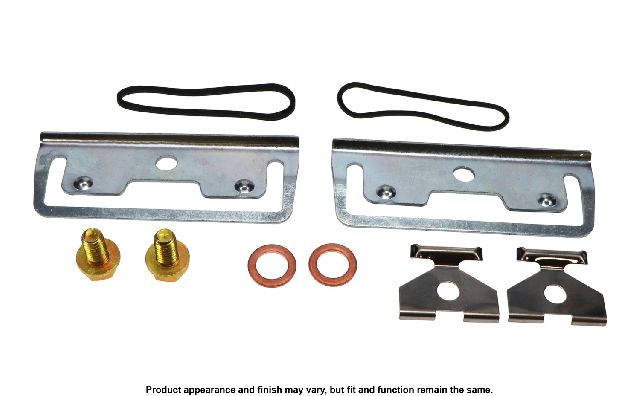
| Cardone | Standard / Good | A leading and widely available brand offering both new and remanufactured calipers. Their remanufactured units are pressure tested and come with new seals, washers, and other hardware for reliable performance. |
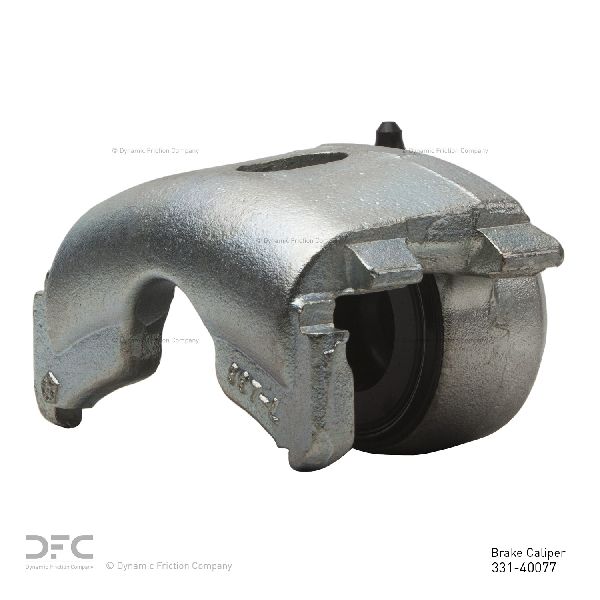
| Dynamic Friction | Standard / Good | A well-regarded aftermarket brand often recommended by mechanics. They offer direct-fit new calipers for the D150. |
| BBB Industries | Standard / Good | Offers new calipers designed to meet or exceed original factory specifications. They focus on providing an OE-quality fit and finish. |
Pro Tip: Some mechanics note that original Mopar calipers used high-quality phenolic (a type of composite resin) pistons, while some aftermarket parts may use steel pistons. While both work, phenolic pistons are resistant to corrosion and don't transfer as much heat to the brake fluid. However, given the age of the vehicle, a quality new aftermarket caliper is a perfectly safe and reliable choice.
Frequently Asked Questions (FAQ)
Do I need to replace calipers in pairs?
It is highly recommended. While not strictly required, replacing both front calipers at the same time ensures even braking performance and feel from side to side. Since both calipers are the same age and have been exposed to the same conditions, if one has failed, the other may not be far behind.
What is a 'core charge' for a brake caliper?
Many remanufactured (and some new) calipers have a core charge. This is a deposit you pay when you buy the part. You get this deposit back when you return your old, worn-out caliper to the seller. This system allows the manufacturer to recycle and remanufacture the old part, which is an earth-friendly process.
What else should I replace with my calipers?
When replacing your calipers, you should always install new brake pads and at least inspect the brake rotors for wear or damage. It is also the perfect time to replace the flexible rubber brake hoses, as they can cause sticking issues. Finally, you will need to bleed the brake system with fresh, new brake fluid.
Are there any recalls for 1978-1993 D150 brake calipers?
No. Searches of the National Highway Traffic Safety Administration (NHTSA) database and other sources did not find any recalls or technical service bulletins (TSBs) specifically related to the brake calipers for the 1978-1993 Dodge D150. Any recalls found are for much newer model year Ram trucks.
Technical Specifications
The 1978-1993 Dodge D150 uses a single-piston, floating/sliding disc brake caliper for the front wheels.
We Have This Part in Stock
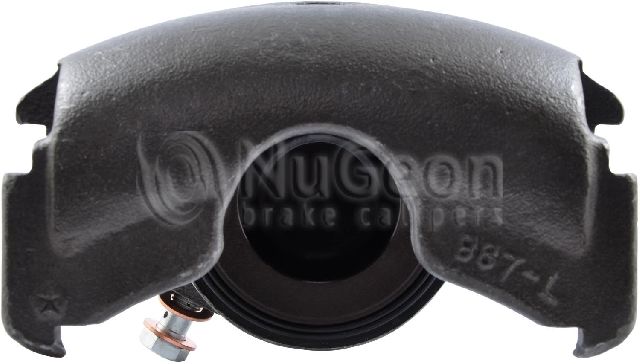
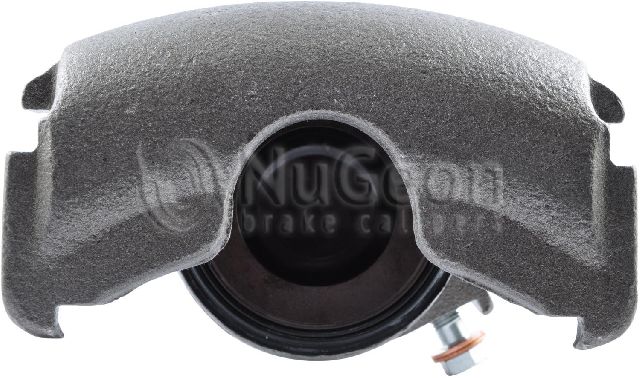
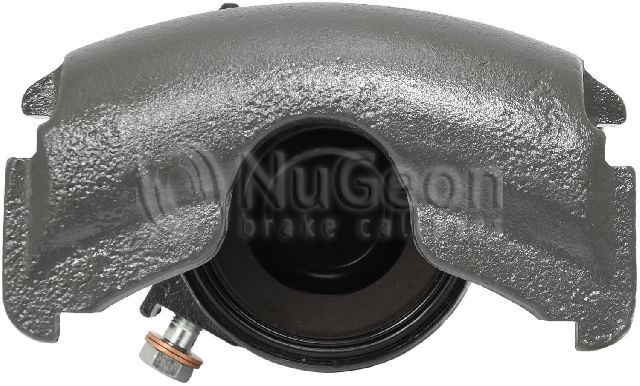
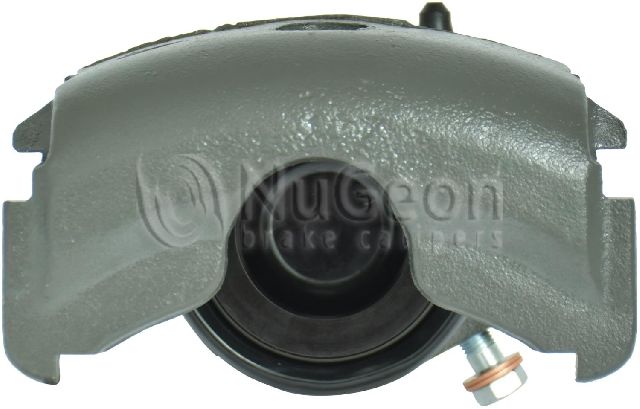

The information in this article is provided for general reference and educational purposes only. Vehicle specifications, procedures, and part compatibility can vary by production date, trim level, and region. Always consult your vehicle's factory service manual and verify part numbers before purchasing or performing repairs. Safety-critical components such as airbags, seat belts, and braking systems should be installed by a qualified professional.