

A Practical Guide to Spark Plugs for the 1978-1995 Porsche 928
Keep your classic 928's V8 engine firing on all cylinders with the right set of spark plugs.
- Stick with standard copper-core Bosch plugs for stock engines; they are what the car was designed for and offer the best performance and value.
- Avoid multi-electrode or other 'fancy' spark plugs, as they can cause running issues or even engine damage.
- Verify the correct part number for your specific engine (16-valve vs. 32-valve), as they require different heat ranges.
- Consider installing new plugs 'dry' without anti-seize, as modern plugs are pre-coated and adding compound can lead to over-tightening.
Signs of Failing Spark Plugs
Worn-out spark plugs can cause noticeable problems in your Porsche 928. If you experience any of these symptoms, your plugs might be due for a replacement. Keep in mind that these issues can also point to other ignition or fuel system problems.
- Rough Idle: The engine may shake or vibrate more than usual when stopped.
- Engine Misfires: You might feel a hesitation or stumble from the engine, especially under acceleration. This can sometimes trigger a check engine light on later models.
- Reduced Power: The car may feel sluggish and less responsive than it used to.
- Poor Fuel Economy: If you find yourself visiting the gas station more often, worn plugs could be a cause, as the engine isn't burning fuel efficiently.
- Difficulty Starting: Weak or fouled plugs can make it harder for the engine to fire up.
Choosing the Right Aftermarket Spark Plugs
For many cars, buying the most expensive, high-tech spark plug seems like an upgrade. For the Porsche 928, the opposite is often true. The ignition systems in these cars were designed around simple, effective copper-core spark plugs. Owner communities and experienced mechanics overwhelmingly recommend sticking with this classic technology for stock engines.
Aftermarket Brand Tiers for Porsche 928
| Tier | Brands | Assessment |
|---|---|---|
| Tier 1: Highly Recommended | Bosch (Copper Core) | Bosch was the original equipment supplier, and their standard copper plugs are the go-to choice for most 928 owners. They are inexpensive and perform exactly as the car's designers intended. Many owners report that their 928s run best on these simple plugs. |
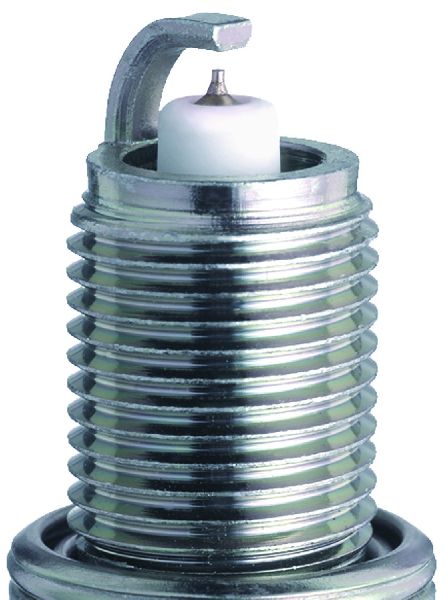
| Tier 2: Solid Alternative | NGK (Copper or Iridium) | NGK is widely regarded as a high-quality alternative to Bosch. If the correct Bosch copper plug is unavailable, the equivalent NGK is the next best choice. Some owners who choose to upgrade to precious metal plugs (platinum or iridium) have had better experiences with NGK than with Bosch's premium offerings. |
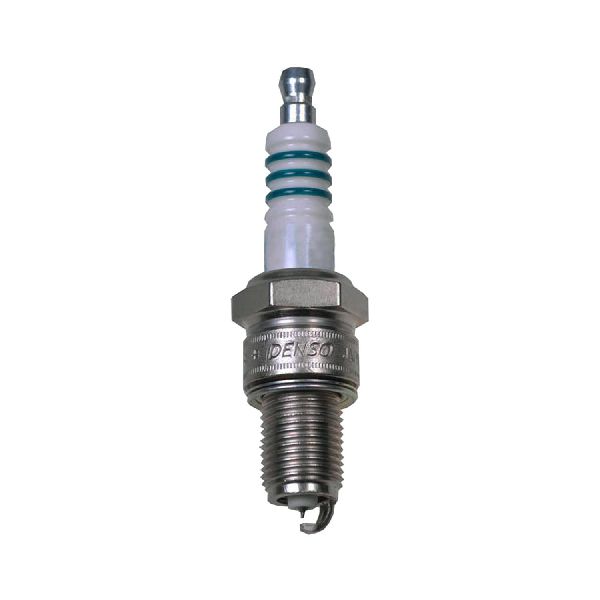
| Tier 3: Use with Caution | Denso, Champion, Autolite | While these brands offer compatible plugs, they are not commonly used or recommended within the 928 community. Some owners have had negative experiences with Champion and Autolite in German cars. Denso is generally a reputable brand but less discussed for the 928 compared to Bosch and NGK. |
| Tier 4: Generally Avoid | Multi-Electrode / "Fancy" Plugs | Avoid plugs like the Bosch Platinum +4 or similar designs with multiple ground electrodes. Owners have reported poor performance and, in rare but serious cases, electrodes breaking off and causing severe engine damage. For a stock 928, these are an unnecessary risk. |
Engine Version Matters!
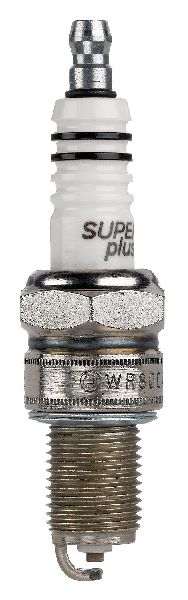
The 928 was produced for many years with different engines. The 16-valve engines (1978-1986) and 32-valve engines (S4, GT, GTS from 1985-1995) require different spark plugs with different heat ranges. Using the wrong plug can cause poor performance or engine damage. Always verify the correct part number for your specific model year and engine before purchasing. For example, many S4 models use a Bosch WR7DC, while earlier 16-valve cars often use a hotter WR8DC plug.
Known Issues
No recalls or Technical Service Bulletins (TSBs) have been issued by Porsche or the NHTSA for spark plugs on the 1978-1995 928. The most common issues are self-inflicted, such as:
- Using the wrong type of plug: As mentioned, sticking to standard copper plugs is the safest bet.
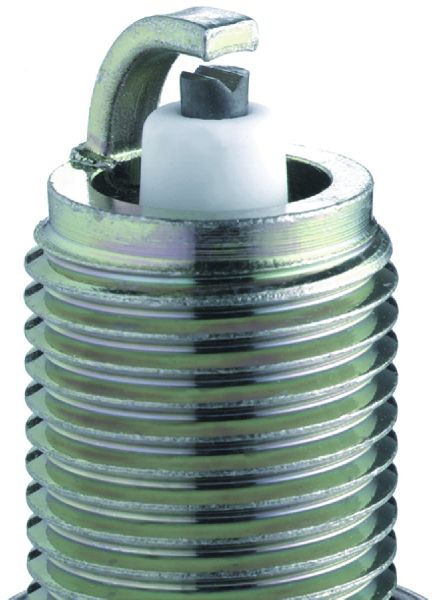
- Incorrect Gapping: Always check the gap with a feeler gauge before installation. The correct specification for most early models is around .028-.032 inches.
- Oily Plugs: Finding oil on your spark plugs or in the plug wells usually points to another problem, such as leaking valve cover gaskets or cam seals, not a fault of the plug itself.
Installation Tip: The Anti-Seize Debate
You will find a lot of debate online about whether to use anti-seize compound on the plug threads. Some owners insist on it to prevent the steel plugs from getting stuck in the aluminum cylinder heads. However, most modern spark plug manufacturers, including Bosch, apply an anti-seize plating to their plugs from the factory. They advise against using additional anti-seize because it acts as a lubricant, which can cause you to over-tighten the plug and potentially damage the threads in the head. If you do use anti-seize, you should reduce the manufacturer's recommended torque setting by about 20%. A safe approach is to install new, plated plugs dry and torque them to the correct specification (typically 18-22 ft-lbs).
Frequently Asked Questions (FAQ)
How often should I change the spark plugs on my 928?
For standard copper plugs, a good interval is every 15,000 to 30,000 miles. Given their low cost, many owners change them more frequently as preventative maintenance. If you use more expensive iridium or platinum plugs, they can last much longer, but they are generally not recommended for these cars.
Is it better to buy "Genuine Porsche" spark plugs from the dealer?
Not necessarily. A "Genuine Porsche" spark plug is typically a Bosch plug in a Porsche box, sold at a much higher price. You can buy the same OEM-quality Bosch copper plug from an auto parts supplier for a fraction of the cost. For this part, there is no significant quality or performance benefit to buying from the dealer.
What is a spark plug's "heat range" and why is it important?
The heat range tells you how quickly the spark plug transfers heat away from its tip. A "hotter" plug transfers heat more slowly, helping to burn off carbon deposits at low speeds. A "colder" plug transfers heat more quickly to prevent overheating under high-performance conditions. Using the correct heat range, as specified for your 928's engine, is critical for performance and preventing engine damage.
Can I change the spark plugs myself?
Yes, this is a very DIY-friendly job on the Porsche 928. Access is generally good, especially on the earlier 16-valve models. The most important steps are to clean the area around the old plugs before removing them to prevent debris from falling into the engine, and to thread the new plugs in by hand to avoid cross-threading.
Technical Specifications
OEM Part Numbers: 99917017090 9991701899A 99917015690
Material: Copper Core (Recommended) Engine Compatibility: Varies by year/model (16-valve vs. 32-valve) Common Bosch Part Numbers: WR8DC, WR7DC+, WR8DCX+ Common NGK Part Numbers: BPR5ES, BPR6ES, BP6ET
We Have This Part in Stock

The information in this article is provided for general reference and educational purposes only. Vehicle specifications, procedures, and part compatibility can vary by production date, trim level, and region. Always consult your vehicle's factory service manual and verify part numbers before purchasing or performing repairs. Safety-critical components such as airbags, seat belts, and braking systems should be installed by a qualified professional.