

Ford Bronco 1978-1996 A/C System O-Ring and Gasket Kit Replacement Guide
Eliminate common A/C leaks and get cold air blowing in your classic Bronco again.
- You must identify if your Bronco uses R-12 (pre-1994) or R-134a (1994+) refrigerant to buy the correct o-ring kit.
- It is strongly recommended to replace all o-rings and the accumulator/drier any time the A/C system is opened for service.
- Replacing A/C o-rings requires specialized equipment to recover, evacuate, and recharge the system; this is not a simple DIY job.
- Always lubricate new o-rings with the correct type of A/C oil before installation to prevent tearing and ensure a proper seal.
Symptoms of Failing A/C O-Rings in a Ford Bronco
The most common sign of a bad o-ring is an air conditioning system that no longer blows cold. Because the seals have failed, the refrigerant has leaked out. You might notice a few specific symptoms:
- Weak or Warm Air: The first and most obvious symptom is a decline in cooling performance. The air from the vents will get progressively warmer as more refrigerant escapes.
- Compressor Clutch Issues: Your Bronco's A/C system has a low-pressure switch that prevents the compressor from running if the refrigerant level is too low. You may notice the A/C compressor clutch cycling on and off rapidly, or not turning on at all.
- Oily Residue: Refrigerant contains a special oil that lubricates the system. When it leaks past a seal, it often leaves a greasy, oily film around the A/C line connections, on the compressor body, or near the condenser at the front of the truck. This residue will attract dirt and look like a small, grimy wet spot.
R-12 vs. R-134a: The Most Important Choice
The 1978-1996 model years span a major change in A/C refrigerants. It is absolutely critical to know which type your Bronco uses before buying a kit.
- Pre-1994 Models (R-12): These trucks originally used R-12 refrigerant and require Nitrile (usually black) o-rings.
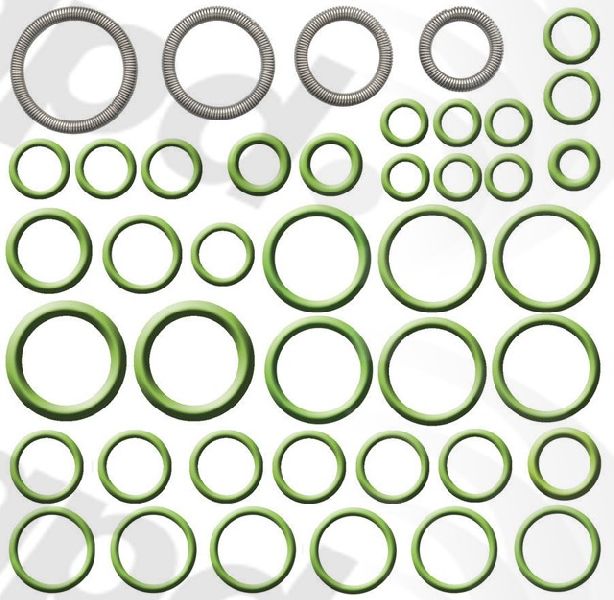
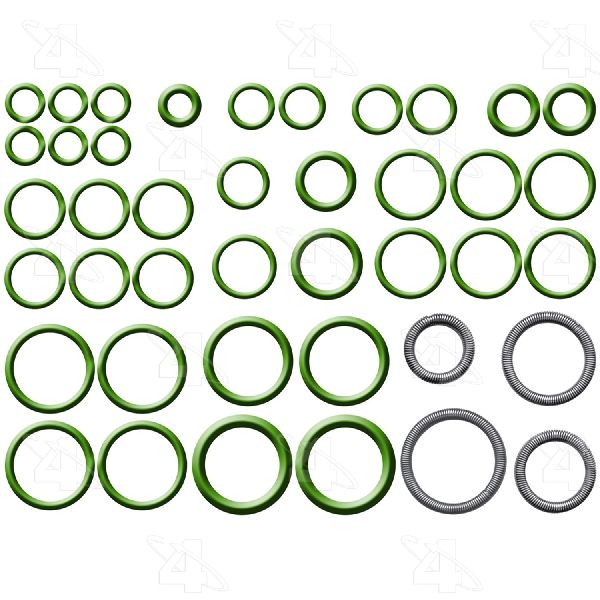
- 1994-1996 Models (R-134a): These trucks used the modern R-134a refrigerant and require HNBR (Hydrogenated Nitrile Butadiene Rubber) o-rings, which are typically green.
- Converted Systems: Many older Broncos have been converted from R-12 to R-134a. A proper conversion involves replacing all the old black o-rings with new green HNBR o-rings. Check the service ports under the hood; R-134a conversion kits include new fittings that are a different size than the old R-12 ports.
Using the wrong o-ring material will result in a failed seal and another leak. R-134a systems operate at higher pressures and the oil used is not compatible with old R-12 seals.
Choosing the Right Aftermarket O-Ring Kit
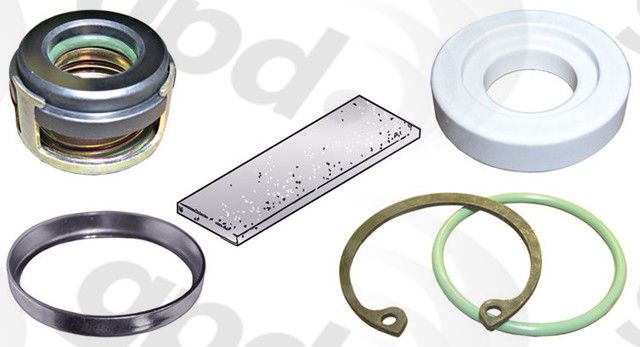
For a part like an o-ring kit, the specific brand is less important than ensuring it is made from the correct material (HNBR for R-134a) and provides a good fit. Aftermarket brands like Four Seasons and Global Parts (GPD) offer complete kits for your Bronco.
- Four Seasons: Generally considered a reliable aftermarket brand for A/C components. Their kits are widely available and are a common choice for repairs.
- Global Parts (GPD): Another available aftermarket option. While there is less specific feedback on their o-ring kits, some users have reported issues with more complex components like compressors from budget brands.
Pro Tip: Some mechanics have noted that aftermarket o-rings can sometimes feel less "beefy" than the original factory ones. When installing, make sure the new o-ring fits snugly in its groove. Always lubricate new o-rings with the correct A/C oil (PAG oil for R-134a) before installation to ensure a good seal and prevent tearing.
| Brand | Price Range | Notes |
|---|---|---|
| Four Seasons | $16 - $20 | Widely available, generally positive reputation. |
| Global Parts | $16 - $20 | Available option, ensure correct material type. |
Known Issues, Recalls, and TSBs
There are no active recalls or Technical Service Bulletins (TSBs) from Ford or the NHTSA related to A/C system o-rings for the 1978-1996 Ford Bronco. Any issues you encounter are due to the age and normal wear-and-tear of the components.
Frequently Asked Questions
Do I have to replace all the o-rings at once?
Yes. It is highly recommended. The A/C system must be fully evacuated to replace even one o-ring. Since all the seals are the same age, it is best practice to replace all of them, along with the accumulator/drier, while the system is open to prevent future leaks.
What's the difference between the green and black o-rings?
Black o-rings are typically made of Nitrile and were used for older R-12 refrigerant systems. Green o-rings are made of HNBR and are required for modern R-134a systems and their specific oils. Do not mix them.
Can I reuse old o-rings?
No. Never reuse o-rings. They are single-use seals that compress and deform to create a seal. Once the connection is broken, they will not seal properly again.
Do I need special tools to replace A/C o-rings?
While replacing the o-rings themselves only requires basic hand tools, servicing the A/C system requires a professional manifold gauge set, a vacuum pump, and a refrigerant recovery machine. Releasing refrigerant into the atmosphere is illegal and harmful to the environment. This job is best left to a professional or a highly experienced DIYer with the proper equipment.
Technical Specifications
Material Type: Nitrile (for R-12 systems) or HNBR (for R-134a systems)
We Have This Part in Stock

The information in this article is provided for general reference and educational purposes only. Vehicle specifications, procedures, and part compatibility can vary by production date, trim level, and region. Always consult your vehicle's factory service manual and verify part numbers before purchasing or performing repairs. Safety-critical components such as airbags, seat belts, and braking systems should be installed by a qualified professional.