

Chevrolet Caprice Disc Brake Caliper Guide (1978-1997)
Everything a Caprice owner needs to know about replacing their disc brake calipers.
- A seizing caliper is a serious safety issue; symptoms like pulling, dragging, or a hot smell require immediate inspection.
- Verify your Caprice submodel (e.g., 9C1, Impala SS) before buying, as brake components changed significantly in the 1994-1996 models.
- Always choose new aftermarket calipers over remanufactured ones for better reliability and no core charge.
- If a new caliper doesn't fix a dragging brake, the flexible rubber brake hose is the next most likely cause.
Signs of a Failing Brake Caliper
A bad brake caliper is a safety issue. If you notice any of these symptoms, it's time to inspect your brakes immediately.
- Car Pulling to One Side: When you brake, a seized caliper can cause the car to pull sharply to the left or right. When you're not braking, a dragging caliper can also cause a constant pull.
- Uneven Brake Pad Wear: If the slide pins are seized, the caliper can't move freely. This causes the inner and outer brake pads to wear at different rates.
- Brake Fluid Leaks: Puddles of oily fluid near your wheel could be brake fluid. Leaks often come from a failed piston seal or a loose banjo bolt.
- Spongy or Soft Brake Pedal: While often a sign of air in the lines, a failing caliper seal can introduce air into the system, leading to a soft pedal feel.
- Hot Smell or Smoke from a Wheel: A caliper that doesn't release properly will cause the brake pads to drag on the rotor. This constant friction generates extreme heat, a burning smell, and can even lead to smoke.
Generation & Model Differences are Key
The 1978-1997 range covers two major Caprice generations. The 1991-1996 models, especially the high-performance 9C1 (police package) and Impala SS versions, had significant brake upgrades. These models featured larger front brakes and, crucially, rear disc brakes, while most standard models had rear drums. Always verify your specific submodel (Base, Classic, 9C1, Impala SS) before ordering parts, as front and rear calipers are not always interchangeable across the model line.
Choosing the Right Aftermarket Caliper
You don't need to hunt down expensive, discontinued OEM parts. Today's aftermarket offers excellent new calipers that often meet or exceed original quality. Here’s a breakdown of popular brands.
Tier 1: OEM-Equivalent & Premium Brands
These brands are known for quality manufacturing and are a top choice for reliability. They often come with a protective coating to prevent rust.
- ACDelco: As a GM-affiliated brand, ACDelco is a go-to for parts that fit and function like the original. They offer different lines, so look for their Professional or Gold series for new (not remanufactured) parts.
- Raybestos: A highly respected name in brakes, Raybestos offers new calipers that are often identical to ACDelco's premium offerings but sometimes at a lower price. Their Element3 line is a popular choice.
- Centric: Another brand with a strong reputation for quality. Their Posi Quiet line is a well-regarded option for a stock replacement feel.
Tier 2: Performance & Upgrade Brands
If you want improved stopping power or a custom look, these brands are worth considering.
- Powerstop: Known for complete brake kits, Powerstop offers calipers (often powder-coated red) that are designed for enhanced performance. They are a popular choice for owners who want more than just a stock replacement.
Tier 3: Standard Replacement & Budget Brands
These brands offer functional, new calipers at a very competitive price point. They are a solid choice for a daily driver on a budget.
- Cardone: While a major player in remanufactured parts, Cardone also offers new calipers (often under the 'Cardone Select' line) that provide a cost-effective solution.
- Dynamic Friction Company (DFC): DFC provides a range of new calipers that are a good alternative to remanufactured parts, focusing on OE-level fit and function.
- BBB Industries: This brand offers reliable, standard-replacement new calipers.
New vs. Remanufactured
For a critical safety part like a brake caliper, choosing a new part is highly recommended. New calipers are made with 100% new components and have no core charge. While remanufactured calipers can be cheaper, their quality depends on the condition of the original part and the rebuilder's process, making them a potential gamble.
Estimated Costs for Caliper Replacement
| Item | Estimated Cost |
|---|---|
| New Aftermarket Caliper (Single) | $33 - $114 |
| Shop Labor (Per Caliper) | $100 - $200 |
| Total Professional Replacement (Per Corner) | $133 - $314 |
| DIY Cost (Caliper, Fluid, Supplies) | $45 - $130 |
Note: Prices are estimates and can vary based on location, brand, and vehicle specifics. It is always recommended to replace calipers in pairs (both front or both rear) to ensure even braking.
Frequently Asked Questions
Do I need to replace my calipers in pairs?
Yes, it is highly recommended. Replacing just one caliper can lead to uneven braking performance and pulling. Always replace the left and right calipers at the same time to maintain a balanced brake system.
What is a caliper piston made of, and does it matter?
Caliper pistons are typically made of steel or phenolic (a type of resin) material. Steel pistons are stronger, while phenolic pistons are lighter and don't transfer as much heat to the brake fluid. For a stock 1978-1997 Caprice, either material is acceptable, and most aftermarket replacements will perform well.
My caliper seems stuck, but it's new. What else could be the problem?
A stuck or dragging brake isn't always the caliper's fault. A collapsed or internally damaged flexible brake hose can act like a one-way valve, trapping fluid pressure and preventing the caliper from releasing. If you replace a caliper and the problem persists, the brake hose is the next most likely culprit.
Are there any recalls for 1978-1997 Caprice brake calipers?
No specific recalls for brake calipers were found for the 1978-1997 Chevrolet Caprice during research with the NHTSA. Recalls found were for much newer model years and different vehicles.
Technical Specifications
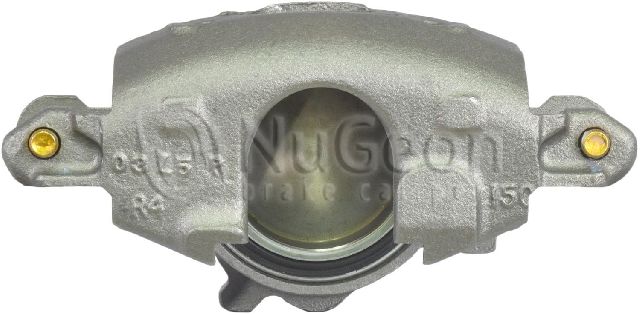
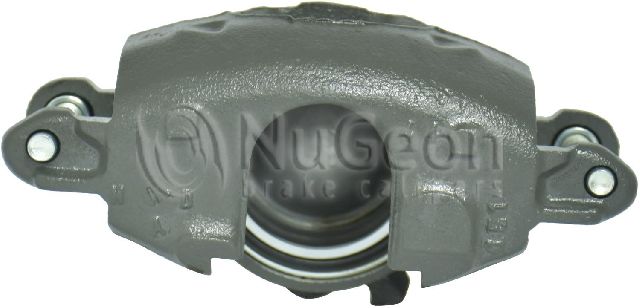
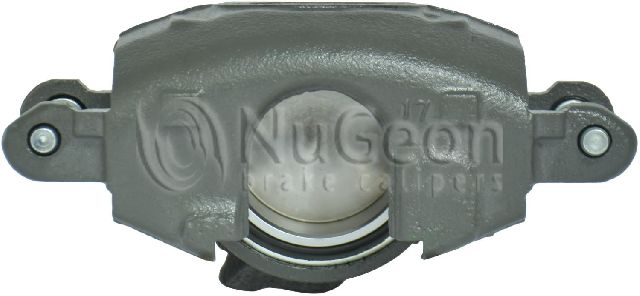
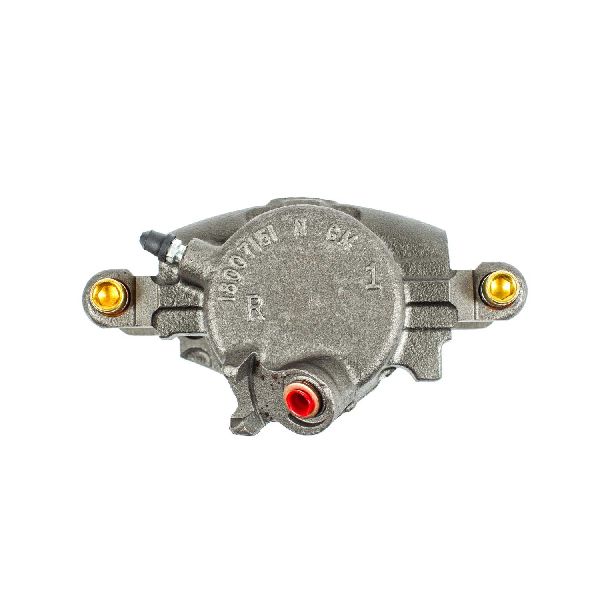
The 1978-1997 Chevrolet Caprice primarily uses a single-piston, floating disc brake caliper for the front wheels. Rear brakes were typically drums, except on later high-performance models like the 9C1 and Impala SS, which used rear disc brakes with aluminum PBR calipers. Calipers are typically cast iron, with either steel or phenolic pistons.
We Have This Part in Stock

The information in this article is provided for general reference and educational purposes only. Vehicle specifications, procedures, and part compatibility can vary by production date, trim level, and region. Always consult your vehicle's factory service manual and verify part numbers before purchasing or performing repairs. Safety-critical components such as airbags, seat belts, and braking systems should be installed by a qualified professional.
- 🛍️ Shop This Part
- Signs of a Failing Brake Caliper
- Generation & Model Differences are Key
- Choosing the Right Aftermarket Caliper
- Tier 1: OEM-Equivalent & Premium Brands
- Tier 2: Performance & Upgrade Brands
- Tier 3: Standard Replacement & Budget Brands
- New vs. Remanufactured
- Estimated Costs for Caliper Replacement
- Frequently Asked Questions
- 🎟️ Get 5% Off