

Chevrolet G30 A/C Clutch Cycle Switch: A Complete Guide (1978-1997)
Is your G30's air conditioning acting up? This simple switch could be the reason why.
- A faulty A/C clutch cycle switch is a common, inexpensive, and easy-to-fix issue on a 1978-1997 G30.
- You can test the switch in minutes with a paperclip; if the compressor engages, the switch is a likely culprit.
- Replacement does NOT require evacuating the A/C system, as the switch sits on a Schrader valve.
- Always confirm if your van uses R-12 or R-134a refrigerant before buying, as the switches are different.
Understanding Your G30's A/C System
The A/C system in the 1978-1997 Chevrolet G30 is a straightforward, durable design. It uses a component called a Cycling Clutch Orifice Tube (CCOT) system. The A/C clutch cycle switch is a key part of this design. When you turn on the A/C, this switch is what tells the compressor clutch when to engage and disengage based on refrigerant pressure. Because G30 vans have a large interior, especially models with rear A/C, the system can be overworked, making every component's proper function critical for good cooling.
R-12 vs. R-134a Refrigerant
Your van's model year is important. Models made before the mid-1990s originally used R-12 refrigerant. Later models, and many older vans that have been serviced, use R-134a. The pressure switches for these two systems are calibrated differently. Using the wrong switch will cause poor performance or damage. Always verify which refrigerant your system uses before ordering a new switch.
Symptoms of a Failing A/C Clutch Cycle Switch
A bad cycle switch can mimic other A/C problems. Here are the most common signs:
- A/C compressor won't turn on: The switch may be stuck in the 'open' position, preventing power from reaching the compressor clutch.
- A/C compressor turns on and off too quickly: This is called 'short cycling'. It can be caused by a faulty switch or low refrigerant.
- A/C blows cool, but not cold: If the switch's pressure reading is off, it might be cycling the compressor incorrectly, hurting cooling performance.
- Frost on A/C lines: If the switch is stuck 'closed', the compressor will run constantly, which can cause the evaporator or accumulator to freeze up.
Quick Diagnosis Tip
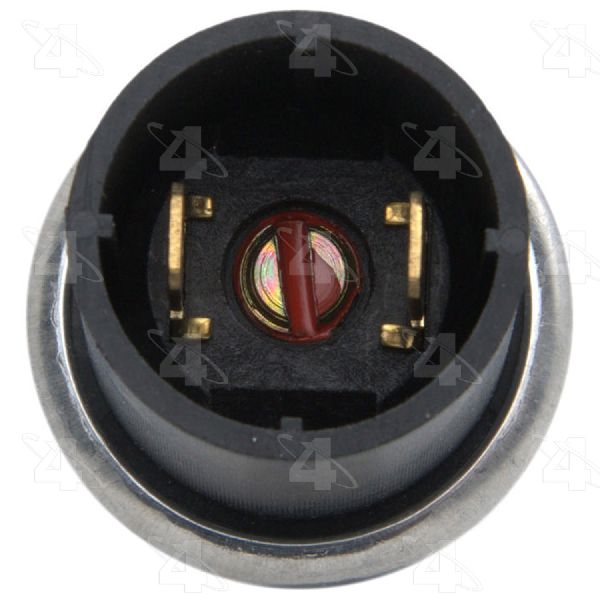
You can easily test the switch. Locate it on the A/C accumulator (a large can-shaped part on the low-pressure line). Unplug the electrical connector and use a small wire or paperclip to jump the two terminals inside the connector. If the A/C compressor clutch immediately engages, it's a strong sign that your switch has failed or your refrigerant is too low. Do not run the system like this for more than a few seconds.
Choosing a New Aftermarket Switch: Brand Quality
For a vehicle like the G30, new OEM parts are often unavailable. The aftermarket provides reliable options that meet or exceed original specifications. The two main brands you will find are Four Seasons and Global Parts (GPD).
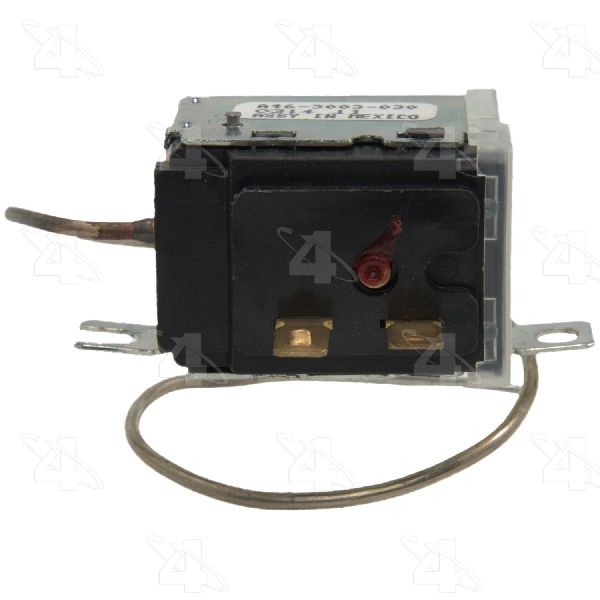
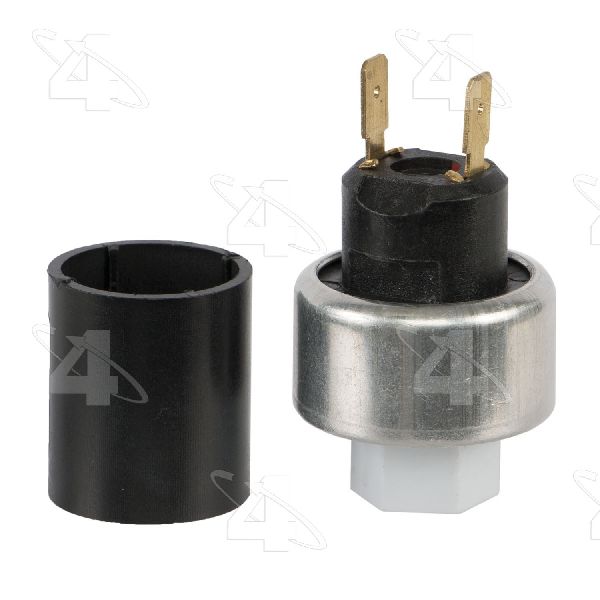
Four Seasons: This is one of the biggest names in aftermarket A/C parts. Their components are widely available and are generally considered a standard, budget-friendly replacement. While some enthusiasts have concerns about quality on complex parts, for a simple switch like this, they are a perfectly acceptable choice.
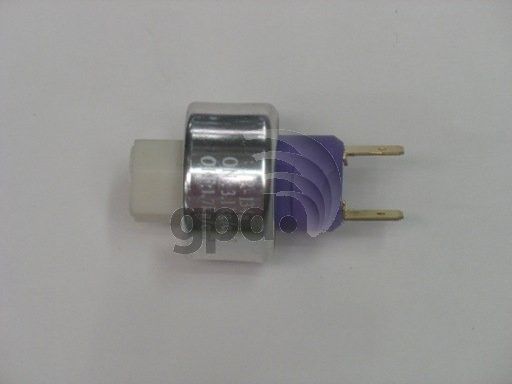
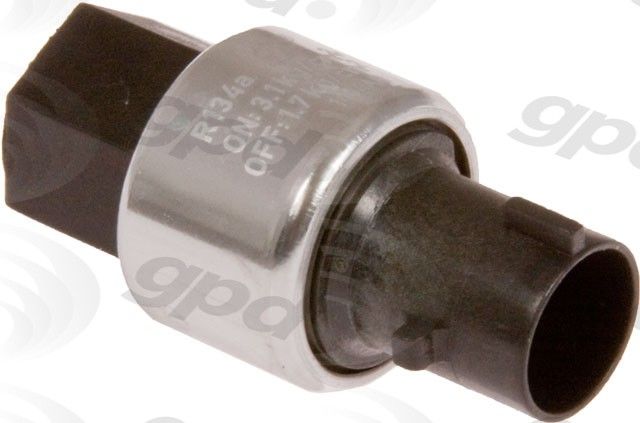
Global Parts (GPD): GPD is another major supplier in the A/C aftermarket space. They compete directly with Four Seasons on price and availability. There is little data to suggest a major quality difference between the two for a simple electronic switch. Both are considered reliable economy brands.
The Verdict: For an easy-to-replace part like the A/C clutch cycle switch, both Four Seasons and Global Parts are solid choices. Since the labor to replace it is minimal, opting for a cost-effective aftermarket brand makes financial sense. There is no significant performance or longevity difference to justify a more expensive option, should one even be available.
Cost of a New A/C Clutch Cycle Switch
| Part Type | Price Range |
|---|---|
| New Aftermarket (Four Seasons, Global Parts) | $13 - $40 |
| Shop Labor for Installation | $40 - $80 |
Frequently Asked Questions (FAQ)
Do I need to drain the refrigerant to replace this switch?
No. The A/C clutch cycle switch on the G30 is mounted on a Schrader valve, similar to the valve on your tires. You can simply unscrew the old switch and screw the new one on without losing your refrigerant charge. A tiny hiss of gas may escape, which is normal.
Where is the A/C clutch cycle switch located on my G30?
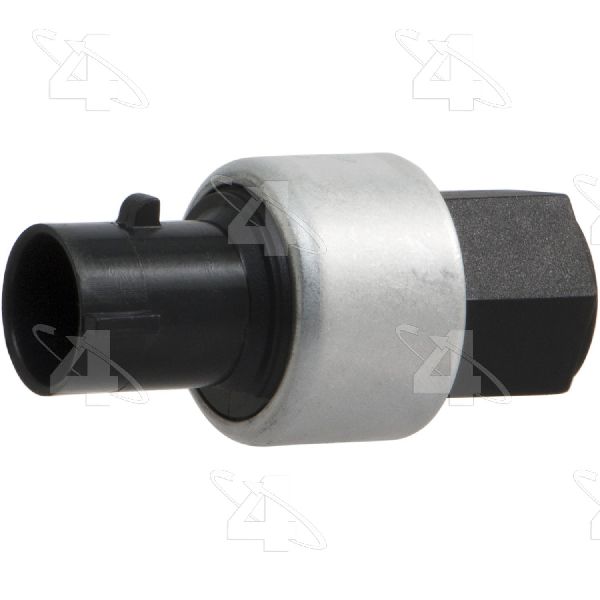
It is almost always located on the A/C accumulator. The accumulator is a large metal cylinder, typically found near the firewall on the passenger side of the engine bay. The switch is a small sensor screwed into it with a two-wire electrical plug.
My compressor still won't turn on after replacing the switch. What's next?
If a new switch doesn't fix the problem, the most likely cause is that your A/C system is low on refrigerant. The switch is doing its job by preventing the compressor from running dry. You should have the system checked for leaks and recharged by a qualified technician. Other possibilities include a blown fuse, a bad A/C clutch coil, or an issue with the climate control unit itself.
What tools do I need to replace the switch?
This is a very simple job. You will likely only need a basic wrench (an open-ended wrench, often 5/8") to loosen the old switch. No special tools are required. Disconnect the electrical plug, unscrew the old switch, screw the new one on until it's snug, and reconnect the plug.
Technical Specifications
Typically features a 2-pin blade style electrical connector. Pressure settings vary based on whether the system is designed for R-12 or R-134a refrigerant. The switch mounts to a Schrader valve on the A/C accumulator.
We Have This Part in Stock

The information in this article is provided for general reference and educational purposes only. Vehicle specifications, procedures, and part compatibility can vary by production date, trim level, and region. Always consult your vehicle's factory service manual and verify part numbers before purchasing or performing repairs. Safety-critical components such as airbags, seat belts, and braking systems should be installed by a qualified professional.