

Ford Bronco Steering Tie Rod End Guide for 1978-1997 Models
Solve your Bronco's wandering steering and premature tire wear by choosing the right tie rod ends.
- A bad tie rod end is a safety hazard; replace it at the first sign of failure to avoid loss of steering control.
- Always get a professional wheel alignment immediately after replacing tie rod ends to prevent tire damage and ensure safe handling.
- For lifted or off-road Broncos, invest in a premium brand like Mevotech TTX or Moog Problem Solver for increased durability.
- Replacing tie rods in pairs (inner and outer, left and right) is the best practice for a complete and lasting repair.
Is Your Bronco's Steering Feeling Loose?
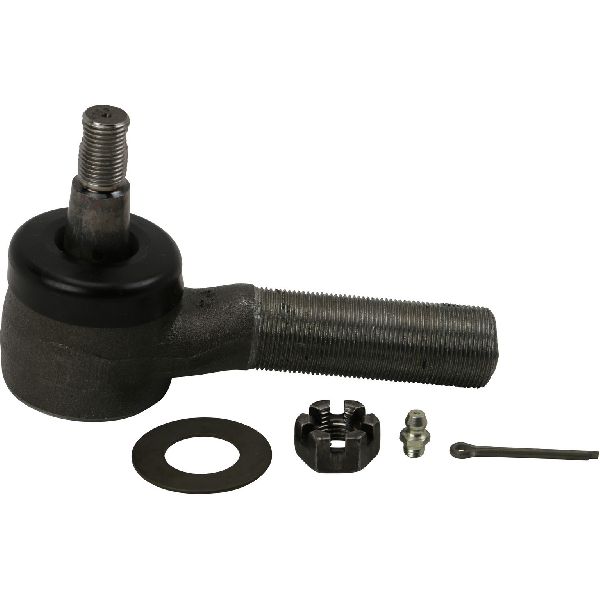
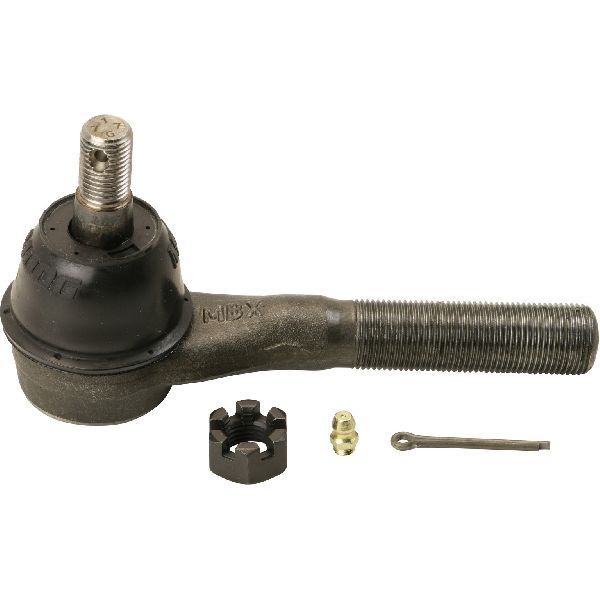
A common complaint among 1978-1997 Ford Bronco owners is vague or wandering steering. While several parts can cause this, worn steering tie rod ends are a frequent culprit. These parts are a ball-and-socket joint that wears out over time, especially on trucks with larger tires, lift kits, or heavy off-road use. When they become loose, it creates excessive play in the steering system, making the truck feel like it's drifting on the road and requiring constant correction from the driver.
Symptoms of a Bad Tie Rod End
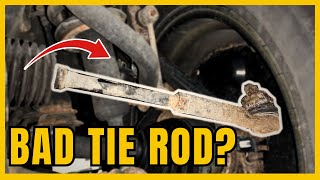
Pay attention to these signs. 🎬 Watch this video to see common signs of bad tie rods. A failing tie rod end is a safety issue that only gets worse.
- Wandering or Loose Steering: The most common symptom is a feeling of excessive play in the steering wheel. You might have to turn the wheel more than usual to get the truck to respond.
- Uneven Tire Wear: A bad tie rod end will cause the front alignment to be incorrect, often leading to accelerated wear on the inside or outside edge of the front tires.
- Clunking or Popping Noises: You may hear a clunking or knocking sound from the front end, especially when turning at low speeds. This is the sound of the loose joint moving around.
- Steering Wheel Vibration: A shaky steering wheel that gets worse as you accelerate can also point to a worn tie rod.
Safety First: Don't Ignore Bad Tie Rods
A completely failed tie rod end can separate from the steering knuckle, causing a total loss of steering control on that wheel. This is extremely dangerous. If you suspect your tie rods are bad, get them inspected immediately.
Choosing the Right Aftermarket Tie Rod End
For a vehicle of this age, OEM Ford parts are scarce and often unnecessary. The aftermarket offers a wide range of quality and price points. Since your Bronco's TTB front end is sensitive to worn parts, choosing a quality replacement is key to a lasting repair. Here’s a breakdown of the available brands:
Tier 1: Heavy-Duty & Premium Brands
These are the best choice for lifted Broncos, off-road enthusiasts, or owners who want the most durable parts available. They often feature stronger construction, greaseable fittings for longer life, and improved internal designs.
- Moog (Problem Solver/K-Series): Historically a top choice, Moog's premium line is known for being durable and often includes grease fittings, which the original parts lacked. However, some users report a decline in quality in recent years, so it's important to inspect the part upon arrival.
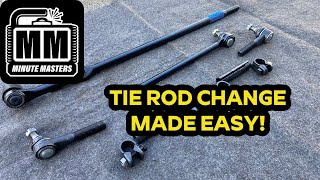
- Mevotech (TTX or Supreme): Mevotech's TTX line is their heavy-duty offering, designed to be a direct competitor to Moog's best. The Supreme line is also considered a high-quality, near-OEM equivalent. Many users have had positive experiences with these lines, finding them to be a robust upgrade. 🎬 Follow this detailed guide for installing a heavy-duty tie rod kit.
Tier 2: Standard Replacement Brands
These brands are a great fit for a daily-driven, stock-height Bronco. They offer reliable, OEM-equivalent performance without the higher cost of the heavy-duty lines.
- Delphi: A well-respected OEM supplier, Delphi parts are known for their quality and proper fitment. They are a solid choice for a standard, reliable repair.
- QuickSteer: Often associated with Moog, QuickSteer provides a good balance of quality and price for standard applications.
Tier 3: Economy Brands
For those on a tight budget, these brands will get your Bronco back on the road. They meet minimum standards but may not have the longevity of the premium brands, especially under heavy use.
- Dorman: Dorman offers a wide range of parts and is often a budget-friendly option. Quality can be inconsistent, but they can be a viable choice for light-duty use.
- MAS Industries, Skyward, Suspensia: These brands fall into the economy category, providing a low-cost alternative for basic repairs.
Estimated Costs
| Part/Service | Estimated Cost |
|---|---|
| Aftermarket Tie Rod End (Single) | $16 - $110 |
| Shop Labor (Replacement of two ends) | $150 - $300 |
| Wheel Alignment (Required) | 🎬 See the major steps for replacing tie rod ends yourself.$80 - $150 |
Frequently Asked Questions
Do I need a wheel alignment after replacing tie rod ends?
Yes, absolutely. Replacing a tie rod end will always change the front-end toe alignment. Driving without an alignment will cause poor handling and rapid tire wear. Plan on getting a professional alignment immediately after the repair.
Should I replace inner and outer tie rods at the same time?
It's good practice. If one is worn out, the others are likely not far behind. Replacing the inner and outer tie rods on both sides at the same time ensures even steering response and saves you from having to pay for another alignment down the road.
Can bad tie rods cause the Ford "Death Wobble"?
While more commonly associated with solid front axles, any significant looseness in the steering or suspension can contribute to a violent shaking event after hitting a bump. Worn tie rods are a major contributor to front-end instability on a TTB Bronco and replacing them is a critical step in resolving any severe wobble or shimmy.
Are there any recalls for steering on my 1978-1997 Bronco?
Searches for this specific year range did not show any active or recent recalls for tie rod ends on the NHTSA database. There was some discussion in forums about the strength of steering components from the early part of this generation (78-79), but no formal recall was found related to tie rods. Most recalls are for much newer vehicles.
Helpful Videos
Technical Specifications
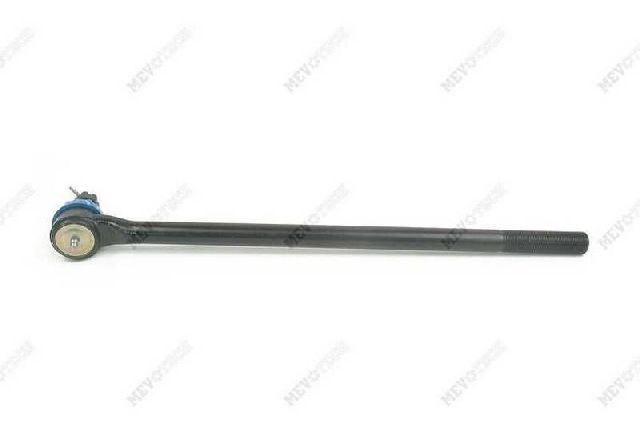
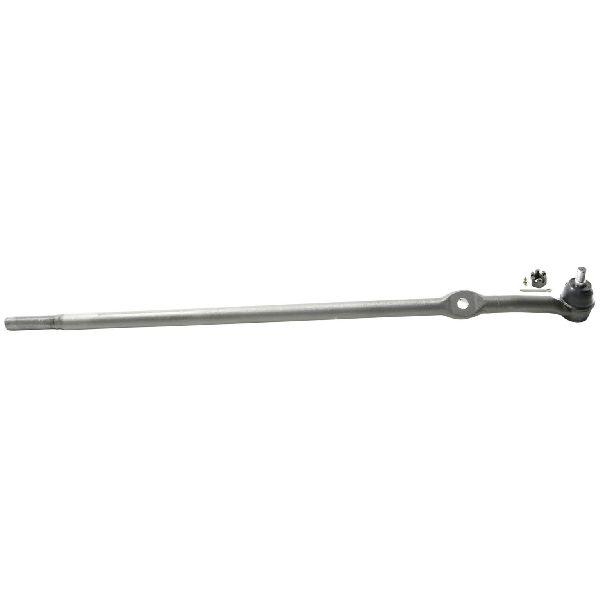
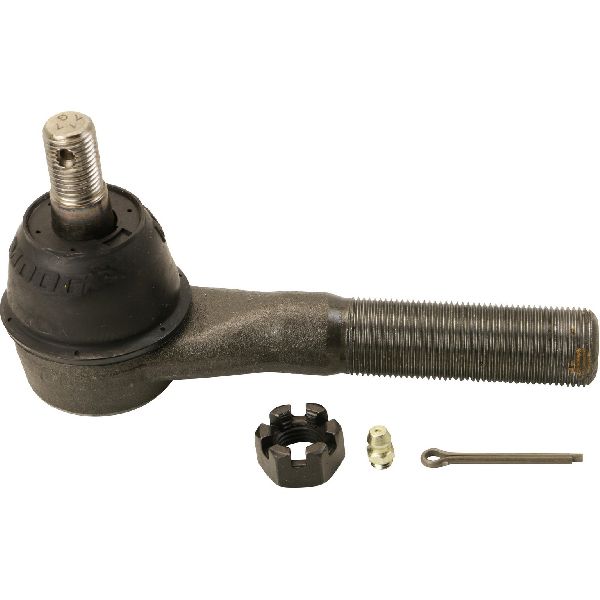
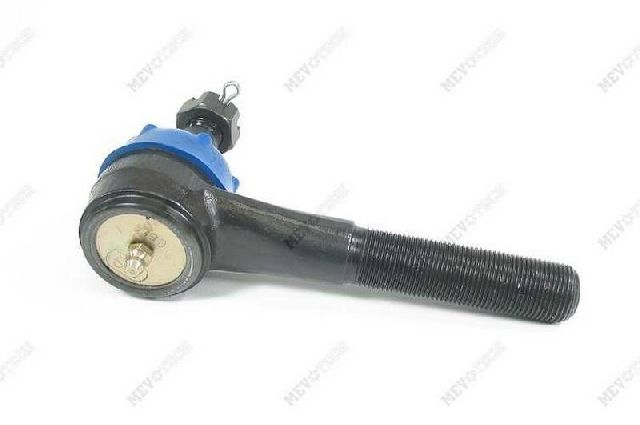
The 1978-1997 Ford Bronco uses a steering linkage system with inner and outer tie rod ends. These connect to the steering knuckles on the Twin-Traction-Beam (TTB) front axle. Parts are typically left/right specific.
We Have This Part in Stock

The information in this article is provided for general reference and educational purposes only. Vehicle specifications, procedures, and part compatibility can vary by production date, trim level, and region. Always consult your vehicle's factory service manual and verify part numbers before purchasing or performing repairs. Safety-critical components such as airbags, seat belts, and braking systems should be installed by a qualified professional.
- 🎬 Helpful Videos
- 🛍️ Shop This Part
- Is Your Bronco's Steering Feeling Loose?
- Symptoms of a Bad Tie Rod End
- Safety First: Don't Ignore Bad Tie Rods
- Choosing the Right Aftermarket Tie Rod End
- Tier 1: Heavy-Duty & Premium Brands
- Tier 2: Standard Replacement Brands
- Tier 3: Economy Brands
- Estimated Costs
- Frequently Asked Questions
- 🎟️ Get 5% Off