

Ford Fiesta Engine Coolant Temperature Sensor: A Complete Guide for 1978-1997
Solve poor fuel economy and rough running in your Ford Fiesta by understanding this critical engine sensor.
- A bad ECT sensor on a Fiesta typically causes poor fuel economy, rough idle, and a Check Engine Light.
- This is a simple, low-cost repair that is feasible for most DIY mechanics.
- For this vehicle, a quality aftermarket brand like Standard Ignition is an excellent choice.
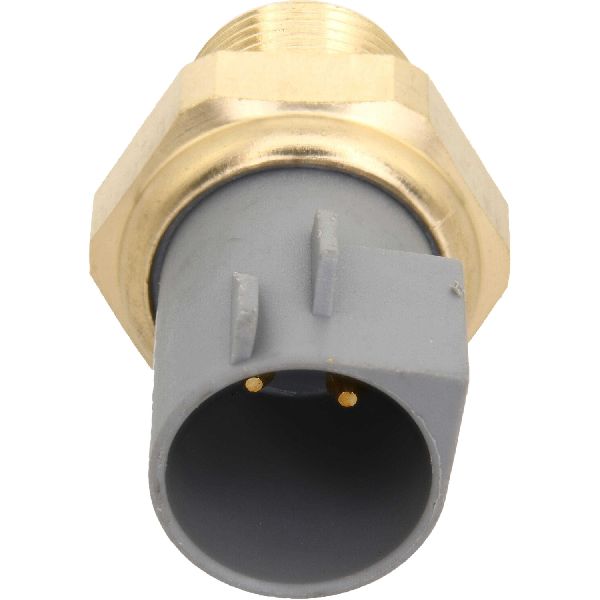
- Confirm your sensor's connector type before ordering to ensure a perfect match.
Is Your Fiesta's Engine Coolant Temp Sensor Failing?
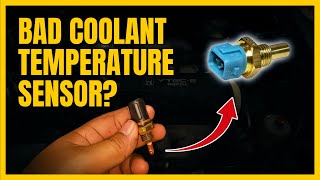
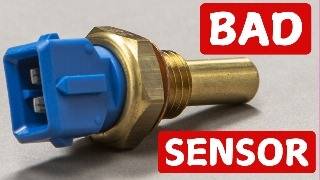
A faulty Engine Coolant Temperature (ECT) sensor can cause a surprising number of problems. Because the sensor's reading is critical for fuel management, a bad sensor can make your car run poorly. It often sends a false signal to the engine computer, telling it the engine is cold when it's actually warm. This leads to the computer providing too much fuel, a condition known as "running rich."
A Note on Vehicle Years
While this guide covers the 1978-1997 Ford Fiesta, please be aware that the Fiesta was officially sold in the North American market only from 1978 to 1980. The parts and information here are specific to those U.S. models.
Common Symptoms of a Bad ECT Sensor
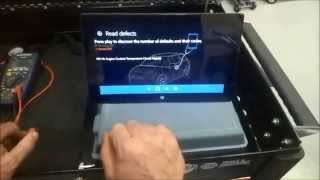
🎬 Watch: A visual guide to these common failure symptoms- Poor Fuel Economy: If the sensor incorrectly tells the computer the engine is cold, the computer will enrich the fuel mixture, causing you to use more gas than necessary.
- Rough Idle: An incorrect fuel mixture can make the engine shake or vibrate, especially when idling.
- Black Smoke from Exhaust: This is a sign of excess fuel being burned in the exhaust pipe, often caused by a faulty ECT sensor sending a constant "cold" signal.
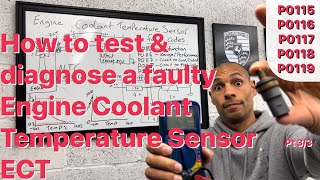
- Check Engine Light: The engine computer will trigger a Check Engine Light if it detects a signal from the ECT sensor that is out of the normal range. Common codes include P0115, P0117, and P0118. 🎬 See how to test your sensor for these specific fault codes
- Engine Overheating: On some vehicles, the ECT sensor also helps control the electric cooling fans. A bad sensor might prevent the fans from turning on when needed, leading to overheating.
- Erratic Temperature Gauge: The gauge on your dashboard might read incorrectly, staying on cold or jumping to hot suddenly.
Choosing the Right Aftermarket Sensor
For a vehicle like the 1978-1980 Fiesta, finding a brand-new OEM Motorcraft part can be difficult and expensive. Aftermarket parts are a reliable and affordable solution. The technology in these sensors is straightforward, and a quality aftermarket brand will perform just as well as the original for this application. Here’s a breakdown of available brand tiers.
Brand Quality Tiers
- BETTER - Standard Ignition (SMP): Standard is a well-respected brand in the aftermarket world. They are known for making high-quality components and are sometimes the original equipment supplier for car manufacturers. Choosing this brand gives you a high degree of confidence in the part's quality and longevity.
- GOOD - Four Seasons, Holstein, Global Parts, True Tech: These brands offer a cost-effective solution for your repair. Four Seasons is a widely available brand that often provides functional, re-boxed parts. Holstein, Global Parts, and True Tech are also reliable standard-tier options that will get the job done. While they may not have the same top-tier reputation as Standard, they provide good value for a simple repair.
Pro Tip: Check the Connector
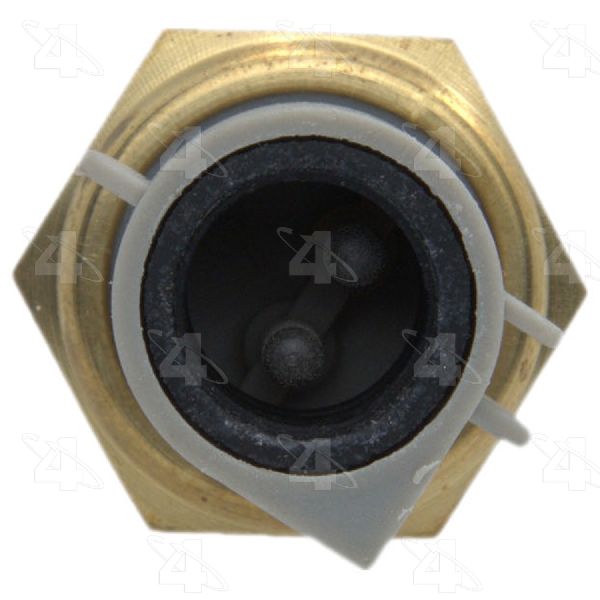
Before ordering, look at the electrical connector on your Fiesta's current sensor. Early models may have a simple single-pin or screw-on connector, while later versions might use a different style. Matching the connector style is the easiest way to ensure you get the right part the first time.
Cost of Replacing a Ford Fiesta ECT Sensor
| Part Type | Estimated Cost |
|---|---|
| New Aftermarket Sensor | $12 - $22 |
| Shop Labor | $50 - $100 |
| Total Estimated Cost | $62 - $122 |
Cost estimates are for parts and labor and may vary by location and shop.
Frequently Asked Questions
Where is the ECT sensor located on a 1978-1980 Ford Fiesta?
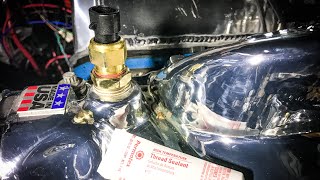
The ECT sensor is typically screwed into the thermostat housing or directly into the cylinder head near a coolant passage. On the Fiesta's Kent engine, it's generally easy to spot near the top of the engine where the main radiator hose connects.
Can I replace the ECT sensor myself?
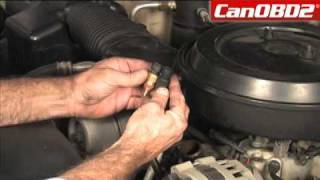
Yes, this is a very DIY-friendly job for most home mechanics. The process involves letting the engine cool completely, partially draining the coolant, unplugging the sensor, and unscrewing it with a wrench or deep socket. The entire job usually takes less than an hour.
🎬 Watch this video to see how to install the sensor correctlyWhat happens if I ignore a bad ECT sensor?
Ignoring it will lead to consistently poor fuel mileage, rough running, and potential long-term carbon buildup on engine components. In a worst-case scenario where the sensor also controls the cooling fan, it could lead to engine overheating and severe damage.
Is the temperature gauge sender the same as the ECT sensor?
On many older vehicles like the Fiesta, there are two separate sensors. One is the ECT sensor that sends information to the engine computer. The other is a temperature sending unit that operates the gauge on your dashboard. They are not the same part, so be sure you are replacing the correct one to fix your specific problem.
Are there any recalls for the Fiesta ECT sensor?
No, searches of the NHTSA database show no safety recalls specifically for the engine coolant temperature sensor on the 1978-1980 Ford Fiesta.
Helpful Videos
Technical Specifications
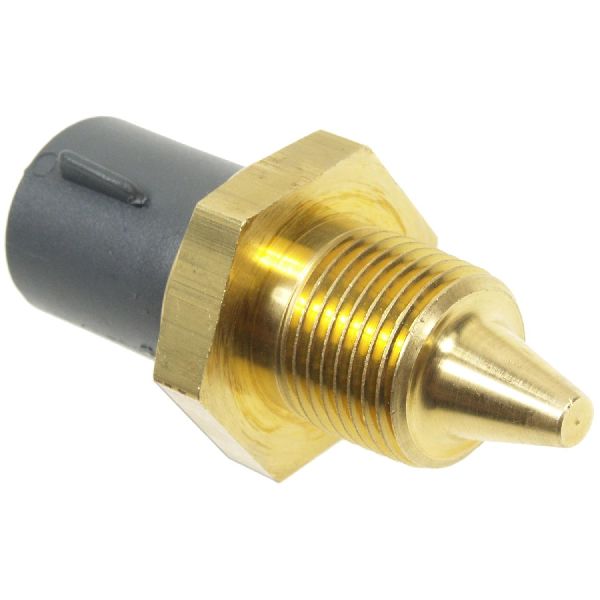
Common thread size for this era is 1/8" - 27 NPTF. Connector types may vary.
We Have This Part in Stock


The information in this article is provided for general reference and educational purposes only. Vehicle specifications, procedures, and part compatibility can vary by production date, trim level, and region. Always consult your vehicle's factory service manual and verify part numbers before purchasing or performing repairs. Safety-critical components such as airbags, seat belts, and braking systems should be installed by a qualified professional.
- 🎬 Helpful Videos
- 🛍️ Shop This Part
- Is Your Fiesta's Engine Coolant Temp Sensor Failing?
- A Note on Vehicle Years
- Common Symptoms of a Bad ECT Sensor
- Choosing the Right Aftermarket Sensor
- Brand Quality Tiers
- Pro Tip: Check the Connector
- Cost of Replacing a Ford Fiesta ECT Sensor
- Frequently Asked Questions
- 🎟️ Get 5% Off