

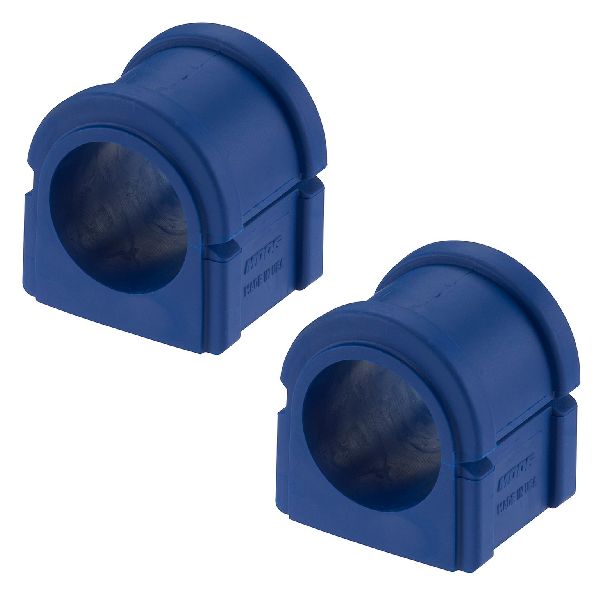
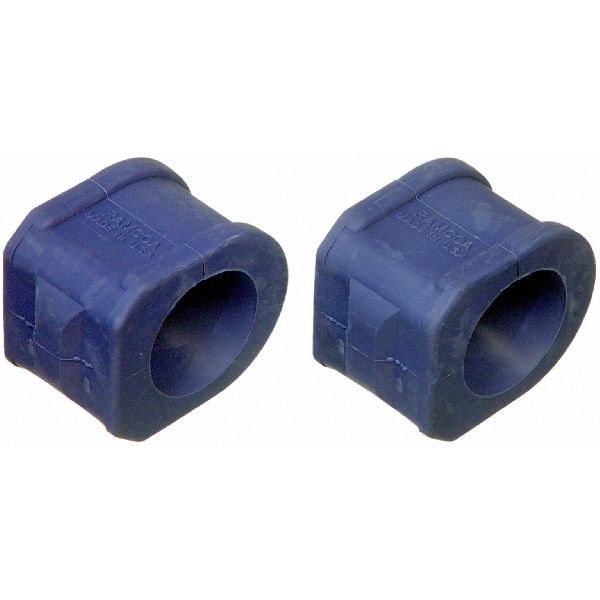
Suspension Stabilizer Bar Bushing Kit for the 1978-1998 Buick Regal
If you're hearing a clunking noise from your front suspension, your stabilizer bar bushings are the likely cause.
- First, identify your car: 1978-1987 is a G-Body (RWD), 1988-1998 is a W-Body (FWD). They use different parts.
- For 1988-1998 W-Body models, inspect the metal stabilizer bar for cracks near the ends, as this is a common failure point.
- Choose rubber bushings for a quiet, factory-style ride or polyurethane bushings for improved handling and a firmer feel.
- A clunking noise over bumps is the number one sign of worn stabilizer bar bushings.
Is Your Regal a G-Body or a W-Body? This is Critical.
Before buying any parts, you must know which Buick Regal you own. This 20-year span covers two completely different cars:
- 1978-1987 Buick Regal (G-Body): These are rear-wheel drive (RWD) cars with a body-on-frame construction. Their suspension is a traditional design shared with other GM cars of the era. 🎬 Watch: A guide to rebuilding a classic G-Body stabilizer bar.
- 1988-1998 Buick Regal (W-Body): These are front-wheel drive (FWD) cars with a unibody design. Their suspension setup is completely different from the earlier models.
The stabilizer bar bushings for a G-Body and a W-Body are not interchangeable. Ordering for the wrong generation will result in a part that does not fit.
Symptoms of Worn Stabilizer Bar Bushings
Worn bushings are a common issue on these Regals as they age. The original rubber dries out, cracks, and loses its shape. When this happens, the stabilizer bar becomes loose in its mounts. The signs are hard to ignore:
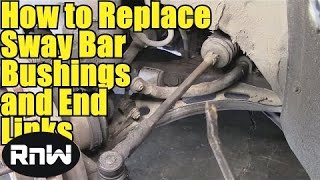
🎬 See this video for a full inspection and replacement walkthrough.- Clunking or Knocking Noises: This is the most common symptom. You'll hear a clunk, rattle, or knock from the front end, especially when driving over bumps, uneven roads, or turning into a driveway.
- Poor Handling: The car may feel less stable, especially when cornering. You might notice more body roll, where the car leans more to one side during a turn.
- Sloppy Steering: While less direct, worn bushings can contribute to a general feeling of looseness in the front suspension and steering.
Pro Tip for 1988-1998 W-Body Owners
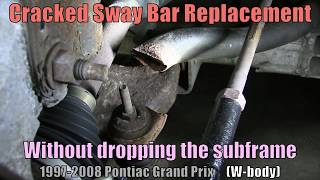
The front stabilizer bars on W-Body cars are known to crack or break completely at the ends where the links attach. When you are replacing the bushings, carefully inspect the entire metal bar for fractures. If the bar is broken, replacing only the bushings will not solve the problem; you will need to replace the entire stabilizer bar.
🎬 Watch: How to replace the front bar on W-Body cars.Choosing the Right Aftermarket Bushing Kit
For a vehicle of this age, aftermarket parts are the most common and cost-effective choice. Original OEM parts are often discontinued. Aftermarket brands offer a range of quality and materials to fit your budget and driving style.
Material: Rubber vs. Polyurethane
This is a key choice, especially for G-Body owners looking to improve handling.
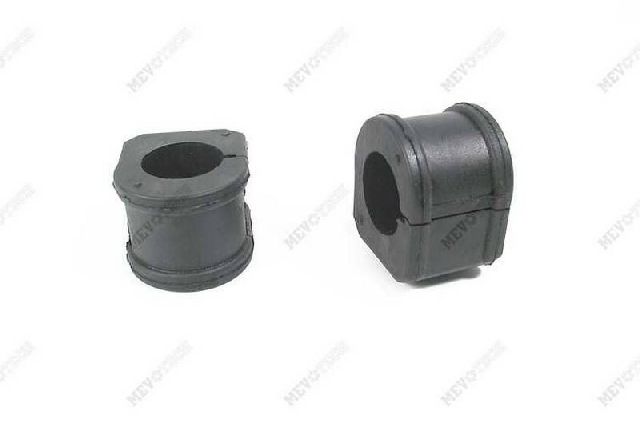
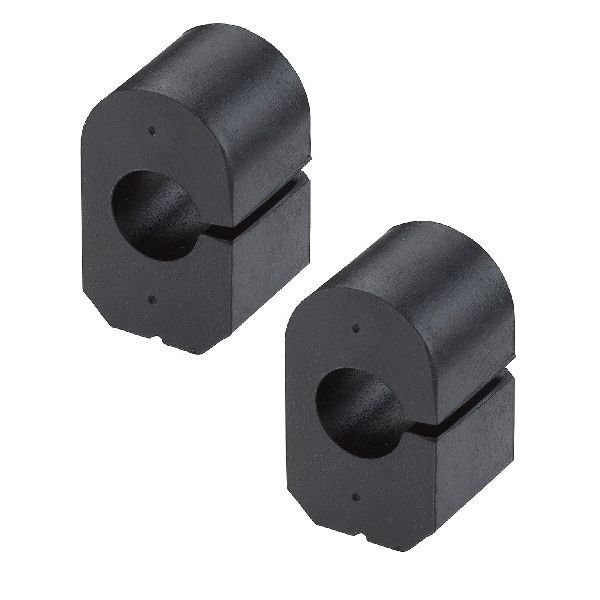
- Rubber Bushings: These provide a ride similar to the original factory feel. They are softer, quieter, and better at absorbing vibrations. If you want to restore the original ride quality, rubber is the way to go.
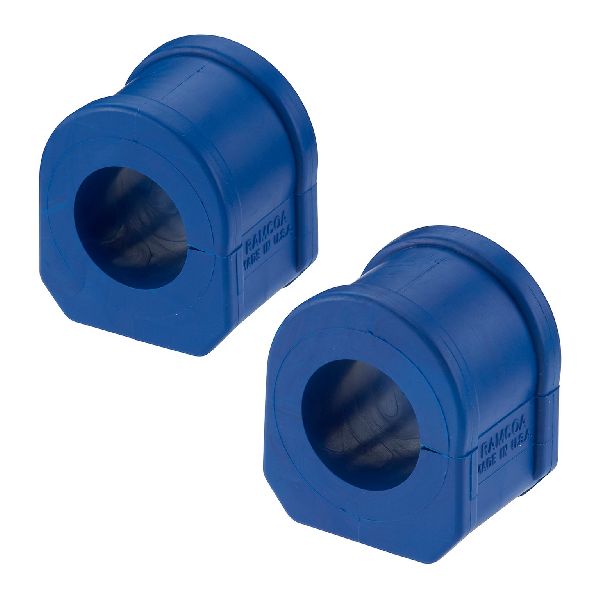
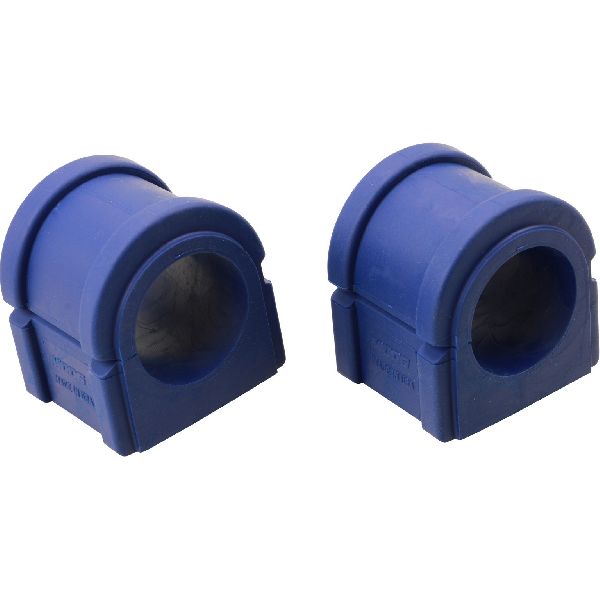
- Polyurethane ("Poly") Bushings: These are a popular performance upgrade. They are much stiffer than rubber, which reduces suspension flex and provides tighter, more responsive handling with less body roll. The downside is a firmer ride; you may feel more road imperfections and hear more noise. They are also extremely durable.
Brand Quality Tiers
The brands available can be grouped into general quality tiers based on reputation and price.
- Premium (Moog, Delphi): Moog has historically been a top choice for suspension parts, though some forum users feel their quality has declined recently. They often feature problem-solving designs. Delphi is a well-respected brand that was often an original equipment manufacturer for GM, so their parts are designed to meet or exceed factory specs.
- Mid-Range / OE-Style (Mevotech, Dorman): Mevotech offers multiple lines, from standard replacement to their higher-end "Supreme" parts, which are a popular choice. Dorman has a massive catalog and sometimes offers improved "OE FIX" designs. Quality can be inconsistent across their product line, but they are a common choice for repairs.
- Economy (QuickSteer, unbranded): These are the most budget-friendly options. For a daily driver where cost is the main concern, these can be a perfectly adequate solution to fix clunking noises from completely failed original bushings.
| Part Type | Estimated Price Range | Notes |
|---|---|---|
| New Aftermarket (Rubber) | $6.60 - $20.00 | Best for restoring original ride comfort. |
| New Aftermarket (Polyurethane) | $15.00 - $35.22 | Best for improved handling and durability. Firmer ride. |
| Shop Labor | $120 - $240 | Typically 1-2 hours of labor. |
Frequently Asked Questions (FAQ)
What tools are needed to replace stabilizer bar bushings?
This is a DIY-friendly job. You will need basic hand tools like a socket set, wrenches, a floor jack, and jack stands. A penetrating lubricant like PB Blaster is highly recommended to loosen rusty bolts. For W-body cars, a ratcheting box-end wrench can make accessing the bracket bolts much easier.
Do I need a wheel alignment after replacing the bushings?
No. Replacing the stabilizer bar frame bushings does not affect your vehicle's alignment angles. An alignment is not necessary for this specific job.
Are there any recalls for my Regal's stabilizer bar bushings?
No. Searches of the National Highway Traffic Safety Administration (NHTSA) database show no recalls or technical service bulletins (TSBs) specifically for the stabilizer bar or its bushings on the 1978-1998 Buick Regal. Recalls you may see for "Buick Regal Suspension" apply to much newer models (2012-2013) and different parts like rear toe links.
Should I lubricate my new bushings?
Yes. Polyurethane bushings must be lubricated with the supplied grease (or a specific polyurethane grease) on all surfaces that contact metal to prevent squeaking. Rubber bushings do not typically require lubrication, but a small amount of silicone-based grease on the inside can ease installation.
Helpful Videos
Technical Specifications
Varies by year and sub-model. The most important specification is the diameter of the stabilizer bar itself. You must measure your bar or use your vehicle's specific sub-model (e.g., Grand National, GS) to ensure you purchase bushings with the correct inner diameter.
We Have This Part in Stock

The information in this article is provided for general reference and educational purposes only. Vehicle specifications, procedures, and part compatibility can vary by production date, trim level, and region. Always consult your vehicle's factory service manual and verify part numbers before purchasing or performing repairs. Safety-critical components such as airbags, seat belts, and braking systems should be installed by a qualified professional.
- 🎬 Helpful Videos
- 🛍️ Shop This Part
- Is Your Regal a G-Body or a W-Body? This is Critical.
- Symptoms of Worn Stabilizer Bar Bushings
- Pro Tip for 1988-1998 W-Body Owners
- Choosing the Right Aftermarket Bushing Kit
- Material: Rubber vs. Polyurethane
- Brand Quality Tiers
- Frequently Asked Questions (FAQ)
- 🎟️ Get 5% Off