

1979-1980 Dodge B100 Suspension Stabilizer Bar Link Kit Replacement Guide
Address clunking noises and poor handling by choosing the right stabilizer link kit for your classic Dodge van.
- Clunking noises over bumps and excessive body lean in turns are the most common signs of failure.
- Replacing links in pairs is essential for balanced handling and safety.
- Aftermarket is the only option; consider premium brands like Moog or Mevotech for greasable fittings and potentially longer life.
- Replacement is a feasible DIY job that does not require a wheel alignment.
Is Your Dodge B100 Making Noise in Turns?
If you're hearing a clunking or knocking sound from the front end of your 1979-1980 Dodge B100, especially when going over bumps or turning, there's a good chance the stabilizer bar links are worn out. These parts are a common wear item and are responsible for much of the noise and sloppy handling people experience in older vehicles.
Symptoms of a Failing Stabilizer Link Kit
Worn stabilizer links can make your van feel less safe and predictable. Look out for these common signs:
- Clunking or Knocking Noises: This is the most common symptom. You'll hear it from the front suspension when driving over uneven surfaces or bumps. The noise comes from worn-out bushings or loose joints in the link.
- Excessive Body Roll: Your van will lean more heavily in turns, feeling like a boat. This happens because the worn link can't effectively transfer force to the stabilizer bar to counter the lean.
- Poor Handling or Loose Steering: You might feel a delay in steering response or a general sense of instability, especially at higher speeds. The van may feel “floaty” or disconnected from the road.
- Visible Damage: A visual inspection may reveal torn rubber bushings, corrosion, or a broken link. You can try grabbing the link (with the vehicle on the ground) and checking for excessive movement.
Can I Drive with a Bad Stabilizer Link?
Technically, yes, but it is not recommended. A broken link compromises your van's stability, especially during turns or sudden maneuvers. It makes handling unpredictable and can be unsafe. For the safety and control of your B100, it's best to replace a failing link as soon as possible.
Choosing the Right Aftermarket Link Kit
For a vintage vehicle like the 1979-1980 B100, new original equipment (OEM) parts are generally not available. The market consists entirely of aftermarket brands. Quality can vary, so it's important to choose based on your needs and budget. Here’s a breakdown of common brands:
| Brand Tier | Brands | Description |
|---|---|---|
| Premium / Heavy-Duty | Moog (Problem Solver), Mevotech (TTX or Supreme) | These brands often offer features like greasable fittings for longer life and thicker, more durable construction than stock parts. While Moog's reputation has become mixed, their premium line is still a popular choice. Mevotech's higher-tier offerings are well-regarded and sometimes considered an upgrade over other aftermarket options. |
| Standard Replacement | Delphi, Dorman, Mevotech (Standard) | These brands aim to provide quality that meets or exceeds the original factory part. They are a reliable, cost-effective choice for daily driving. Dorman is widely available, and while some users report inconsistent quality on other parts, their standard suspension components are generally considered acceptable. |
Pro Tip: Greasable vs. Sealed
Some aftermarket links come with grease fittings (zerks). These allow you to periodically add fresh grease, which can flush out contaminants and extend the part's life. Sealed units are maintenance-free but must be replaced when they wear out. For a vehicle that may see infrequent use or tough conditions, a greasable link can be a smart investment.
Frequently Asked Questions (FAQ)
Do I need to replace both stabilizer links at the same time?
It is highly recommended. Suspension parts wear at similar rates, so if one side has failed, the other is likely not far behind. Replacing them in pairs ensures balanced handling and saves you from doing the same job twice.
Is a special tool required for installation?
No special tools are typically needed, just a good set of wrenches, sockets, a jack, and jack stands. However, rust can make removal difficult. A penetrating lubricant is essential, and in severe cases, you may need a breaker bar or cutting tool to remove the old, seized nuts.
Do I need a wheel alignment after replacing the stabilizer links?
No. Replacing the stabilizer bar links does not affect your van's alignment angles (camber, caster, or toe). An alignment is not necessary after this specific repair.
What are the torque specs for the stabilizer link nuts?
For this type of bushing-style link, a specific torque value is often not the primary goal. The common procedure is to tighten the nuts until the rubber bushings begin to swell or expand to be slightly wider than the washers. This should be done with the vehicle's full weight on the suspension (i.e., on the ground, not on jack stands). Over-tightening can damage the bushings and cause premature failure.
Technical Specifications
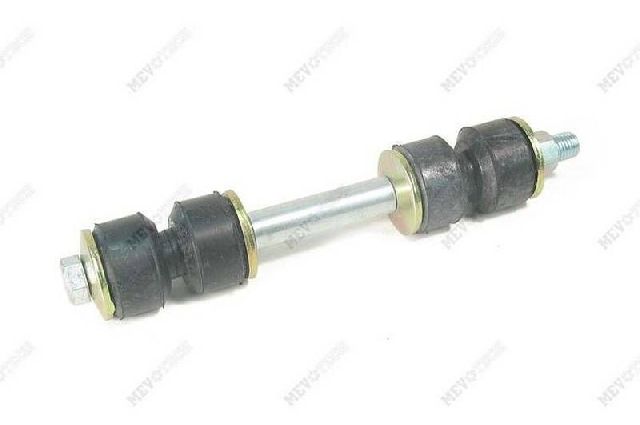
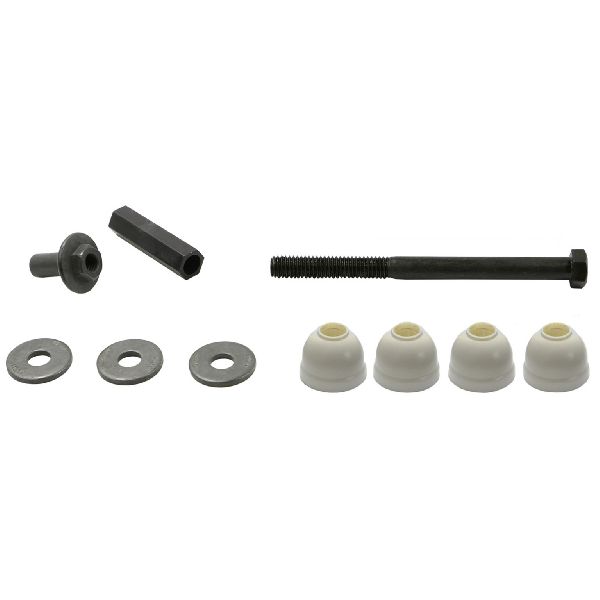
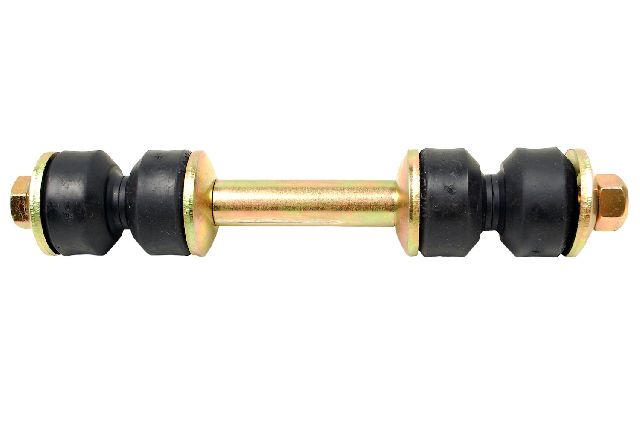
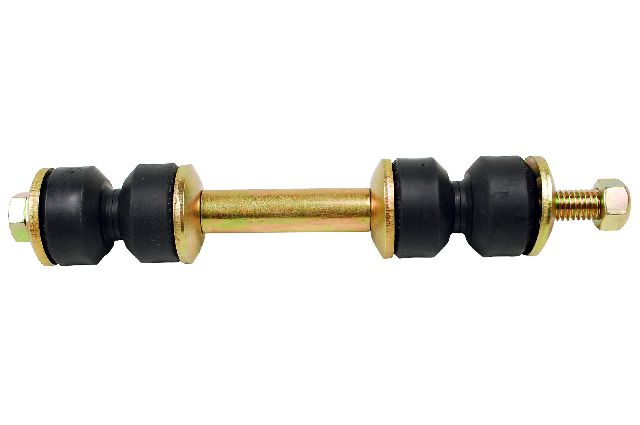
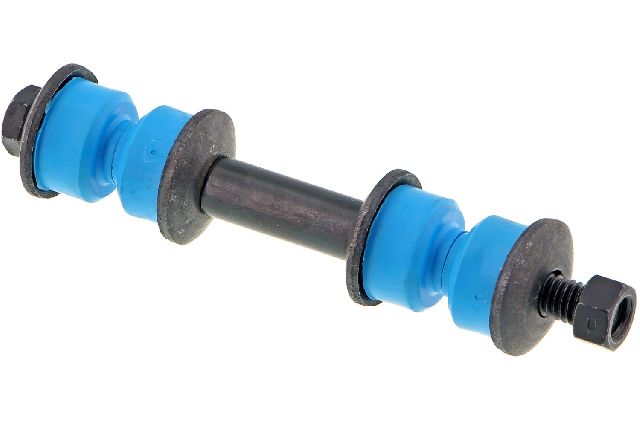
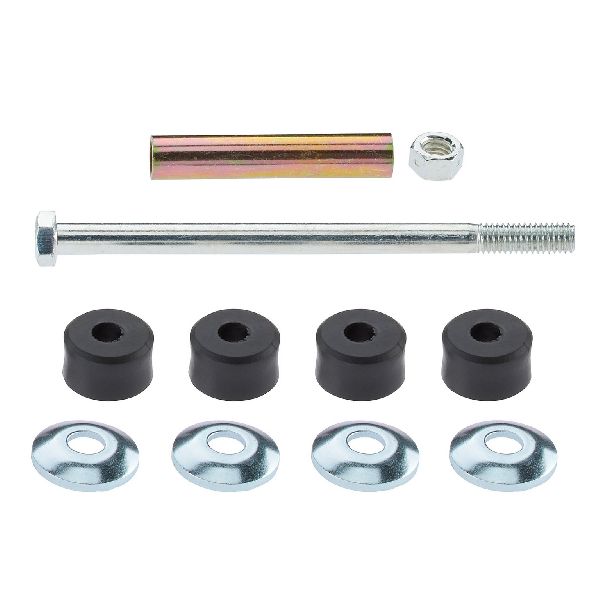
The kit typically includes a metal rod, bushings, washers, and nuts. The design is a simple bolt-and-bushing style, not a ball-joint style found on more modern vehicles.
We Have This Part in Stock

The information in this article is provided for general reference and educational purposes only. Vehicle specifications, procedures, and part compatibility can vary by production date, trim level, and region. Always consult your vehicle's factory service manual and verify part numbers before purchasing or performing repairs. Safety-critical components such as airbags, seat belts, and braking systems should be installed by a qualified professional.