

Accessory Drive Belts for the 1979-1981 Dodge St. Regis
Keep your classic Dodge running smoothly by understanding its unique V-belt system.
- Your St. Regis uses multiple V-belts, not a single serpentine belt; confirm your engine and options before buying.
- Modern aftermarket belts from brands like Gates, Dayco, and Continental are superior to original 1970s/80s rubber.
- Symptoms include squealing noises, visible cracks, and failure of accessories like the alternator or power steering.
- It is best practice to replace all belts at the same time and inspect the pulleys for wear.
Understanding Your St. Regis's V-Belt System
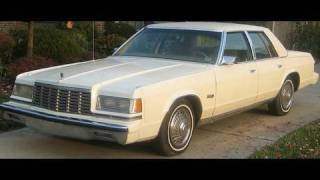
Unlike modern cars that use one long, flat, ribbed serpentine belt, your 1979-1981 Dodge St. Regis was built with 🎬 Watch a detailed overview of the 1979-1981 Dodge St. Regis. a multiple V-belt system. These belts are named for their V-shaped cross-section, which helps them grip the pulleys of the accessories they drive. Depending on your engine — a 3.7L Slant-6, 5.2L (318ci) V8, or 5.9L (360ci) V8 — and optional equipment like air conditioning, your car could have several belts running different components. It is critical to know your specific engine and accessory configuration 🎬 See a classic Dodge St. Regis in action here. when ordering replacements.
Symptoms of Failing Accessory Drive Belts
Age, heat, and tension are the enemies of rubber V-belts. Ignoring the warning signs can lead to a breakdown.
- Squealing Noises: This is the most common symptom. A high-pitched squeal, especially on startup or when turning the steering wheel, is caused by a belt slipping on its pulley. This usually points to a loose (improperly tensioned) or worn-out belt.
- Visible Wear and Cracking: A visual inspection can tell you a lot. Look for cracks, fraying, glazing (a shiny, hardened surface), or pieces of rubber missing. Any of these signs mean the belt is old and needs immediate replacement.
- Accessory Malfunctions: If your battery isn't charging (dimming lights, battery warning light), the engine is overheating, or the power steering becomes heavy, a V-belt may have failed. Since each component may be run by a different belt, you might lose one function without losing others.
OEM vs. Aftermarket Belts
Original Equipment Manufacturer (OEM) belts for a vehicle from this era are virtually nonexistent. Any that you might find would be "New Old Stock" (NOS), meaning they are decades old and the rubber has likely degraded over time. Modern aftermarket belts from reputable brands like Gates, Dayco, and Continental are made with advanced EPDM rubber compounds that are far more resistant to heat, oil, and cracking than the original neoprene belts. For a classic car like the St. Regis, a new aftermarket belt is a significant upgrade in quality and longevity.
Choosing the Right Aftermarket Belts
With several belts on your engine, it's wise to replace them all at the same time. This ensures even wear and saves you from having to do the job again in a few months. The brands available—Continental, Dayco, and Gates—are all well-regarded manufacturers.
- Good (Standard Replacement): Standard belts from any of these brands will meet or exceed the original specifications and provide reliable service. They are an affordable and effective solution for a daily driver or a car that sees regular use.
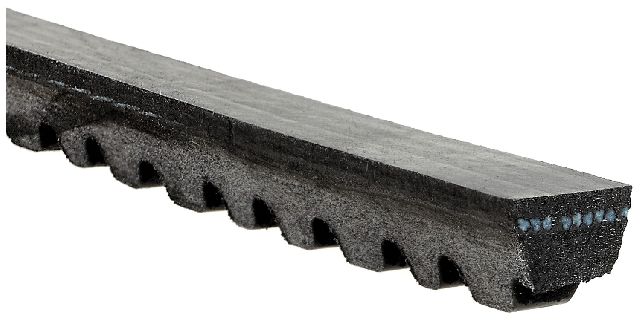
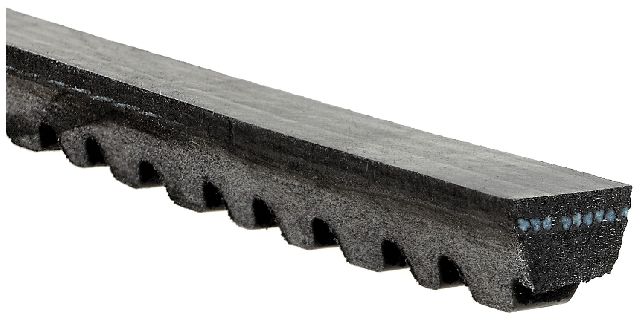
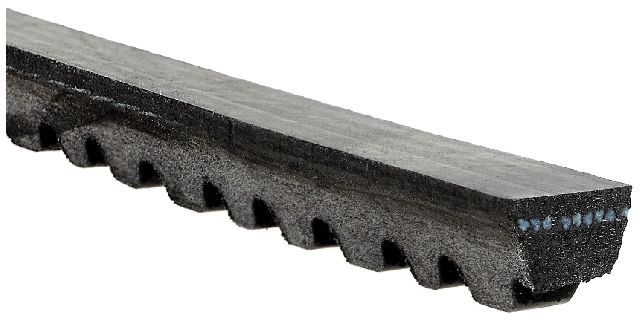
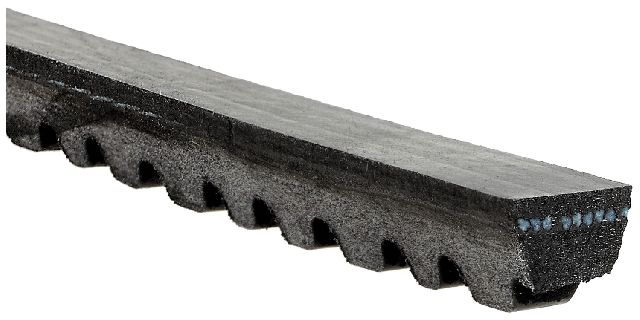
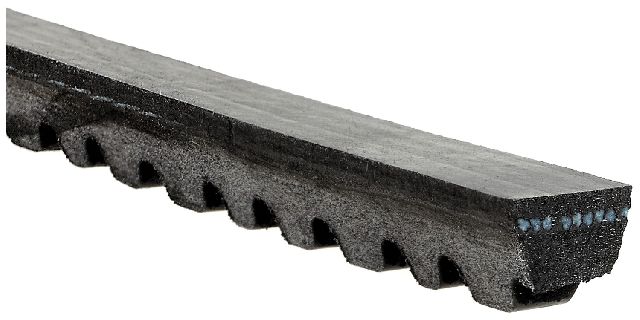
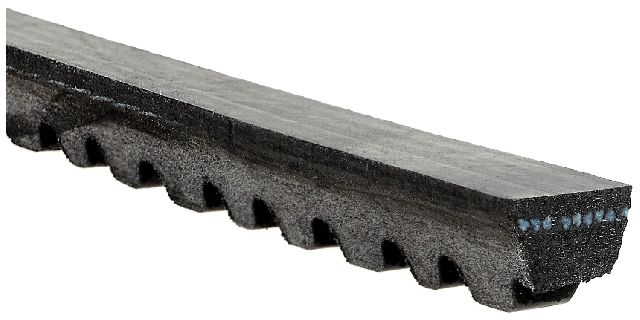
- Better (Heavy-Duty/Notched): Look for "notched" or "cogged" V-belts. These belts have notches on the underside, which allows them to bend more easily around smaller pulleys and run cooler, extending their life. They are an excellent choice for improved durability.
- Best (Premium/Aramid Cord): Some premium belts use aramid (like Kevlar) fibers in their construction. These belts are extremely durable, stretch very little, and are less prone to slipping even under high loads. For high-performance applications or for owners who want the longest possible service life, these are the top choice.
Accessory Drive Belt Cost for 1979-1981 Dodge St. Regis
| Part Type | Price Range (Per Belt) | Notes |
|---|---|---|
| New Aftermarket Belts | $7.33 - $40.28 | Price varies by brand, length, and specific application (Alternator, P/S, A/C). Notched or premium belts are at the higher end. |
| Shop Labor | $75 - $150 | Replacing all belts typically takes 1-1.5 hours. Cost depends on local labor rates. |
Pro Tip: Check Your Pulleys
When replacing your belts, inspect the pulleys for wear. Worn pulley grooves can cause even a new belt to slip and fail prematurely. The grooves should be clean and have a distinct V-shape, not a rounded U-shape. Also, check for proper pulley alignment with a straight edge.
Frequently Asked Questions
How many accessory belts does my Dodge St. Regis have?
It depends on your engine and options. Most V8 models with power steering and air conditioning will have at least three or four separate V-belts. You will need to identify which belts your specific car uses for the alternator, power steering pump, water pump, and A/C compressor before ordering.
Should I replace all the belts at once?
Yes. It is highly recommended to replace all the V-belts at the same time. They have all been exposed to the same age and conditions, so if one is failing, the others are likely not far behind. This saves you from repeated repairs.
What does "belt tension" mean and why is it important?
Belt tension is how tight the belt is on its pulleys. If it's too loose, it will slip and squeal, failing to power the accessory and causing heat damage to the belt. If it's too tight, it can put extreme stress on the bearings inside the alternator, water pump, or power steering pump, causing them to fail. Proper tension is critical for belt life and the health of your accessories.
Are there any recalls for the drive belts on my St. Regis?
No, there are no specific recalls related to the accessory drive belts for the 1979-1981 Dodge St. Regis according to NHTSA records. Any issues would be considered general maintenance due to the age of the vehicle.
Helpful Videos
Technical Specifications
The 1979-1981 Dodge St. Regis uses a multiple V-belt system. The number and length of the belts depend on the engine (3.7L I6, 5.2L V8, 5.9L V8) and the installed accessories (Air Conditioning, Power Steering). Belts are typically made of EPDM rubber and may be available in standard, notched, or premium aramid-reinforced construction.
We Have This Part in Stock

The information in this article is provided for general reference and educational purposes only. Vehicle specifications, procedures, and part compatibility can vary by production date, trim level, and region. Always consult your vehicle's factory service manual and verify part numbers before purchasing or performing repairs. Safety-critical components such as airbags, seat belts, and braking systems should be installed by a qualified professional.
- 🎬 Helpful Videos
- 🛍️ Shop This Part
- Understanding Your St. Regis's V-Belt System
- Symptoms of Failing Accessory Drive Belts
- OEM vs. Aftermarket Belts
- Choosing the Right Aftermarket Belts
- Accessory Drive Belt Cost for 1979-1981 Dodge St. Regis
- Pro Tip: Check Your Pulleys
- Frequently Asked Questions
- 🎟️ Get 5% Off