

Dodge St. Regis Engine Coolant Bypass Hose Guide (1979-1981)
Everything you need to know about replacing the engine coolant bypass hose on your V8-equipped 1979-1981 Dodge St. Regis.
- A failing bypass hose can cause critical engine overheating; do not drive with a known leak.
- Always use a pre-molded hose; a straight hose will kink and restrict coolant flow.
- Both Dayco and Gates are quality aftermarket brands suitable for your St. Regis.
- Replacement is moderately difficult, often requiring removal of the alternator and its bracket for access.
Is a Bad Engine Coolant Bypass Hose a Serious Problem?
Yes, it is. While the hose is small, a failure can lead to a rapid loss of engine coolant. This will cause the engine to overheat, which can result in critical and expensive damage, such as warped cylinder heads or a blown head gasket. Because this part is made of rubber and constantly exposed to high heat and pressure, it will degrade and fail over time. Given the age of your 1979-1981 St. Regis, if the hose looks original, it's wise to replace it as preventative maintenance.
Symptoms of a Failing Bypass Hose
Look for these common signs that your bypass hose is ready to be replaced:
- Coolant Leaks: This is the most obvious symptom. You may see a puddle of green or orange coolant under the front of the engine. The leak often starts as a slow drip around the water pump area before getting worse.
- Sweet Smell: You might notice a distinct sweet smell from the engine bay, which is the scent of burning antifreeze, even if you can't see a visible leak.
- Visible Hose Damage: Inspect the hose. If it appears swollen, cracked, brittle, or feels soft and mushy when you squeeze it, it needs to be replaced immediately.
- Engine Overheating: If the hose fails completely, it can dump coolant quickly. This will cause your temperature gauge to spike, putting your engine at risk.
Choosing the Right Aftermarket Bypass Hose
For a classic vehicle like the Dodge St. Regis, finding original Mopar parts is nearly impossible. The good news is that modern aftermarket hoses from reputable brands are made with superior materials, like EPDM rubber, which resists heat, chemicals, and electrochemical degradation better than original 1970s parts. Your main choices will be between Dayco and Gates.
| Brand Tier | Brands | Our Price Range | Quality & Notes |
|---|---|---|---|
| Standard Replacement | Dayco, Gates | $20.08 - $81.22 | Both Dayco and Gates are well-respected manufacturers of aftermarket hoses. Forum discussions show that mechanics and DIYers have used both brands with success. Some users prefer Gates for consistent fitment, while others find Dayco hoses to be slightly thicker. For your St. Regis, either brand will provide a reliable, long-lasting repair. The most important factor is ensuring you get the correct molded hose for your specific engine. |
Do Not Use a Straight Hose!
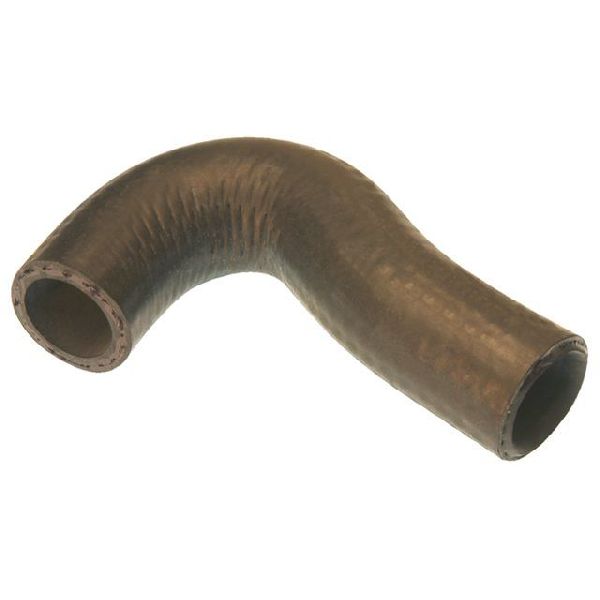
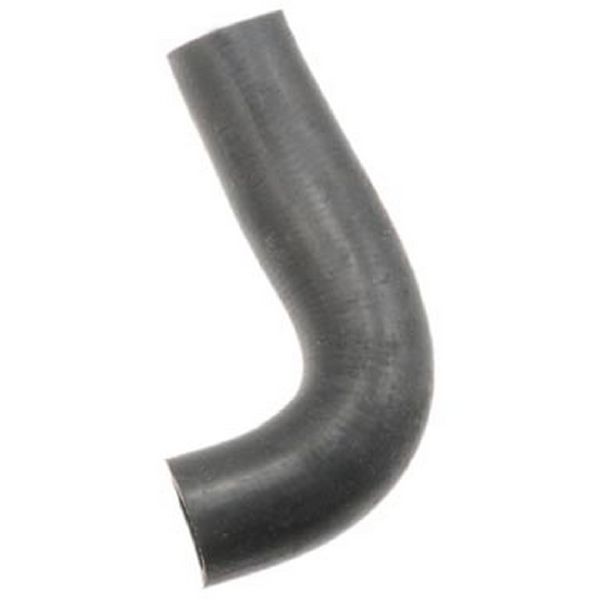
The bypass hose has specific bends to route it correctly. Using a generic straight piece of hose will cause it to kink, restricting coolant flow and leading to overheating. Always purchase a pre-molded hose designed for your vehicle.
Known Issues, Recalls, or TSBs
After a thorough search, no specific recalls or Technical Service Bulletins (TSBs) from NHTSA were found relating to the engine coolant bypass hose for the 1979-1981 Dodge St. Regis. Any issues with this part are typically due to age-related wear and tear.
Pro Tip: Replace Your Clamps
It is highly recommended to replace the hose clamps when you replace the hose. Over time, old clamps can lose their tension and may not provide a secure seal. Spring-style clamps are often preferred as they maintain constant tension as the hose expands and contracts with temperature changes.
Frequently Asked Questions (FAQ)
Can I replace the coolant bypass hose myself?
Yes, this is a feasible DIY job for someone with moderate mechanical experience. However, access can be tight. The job requires draining the coolant and removing the alternator and its mounting bracket to reach the hose. If you are not comfortable with this, a professional mechanic can perform the job relatively quickly.
What kind of coolant should I use for my Dodge St. Regis?
For a classic car like the St. Regis, a traditional green, IAT (Inorganic Additive Technology) coolant is the correct choice. Modern long-life coolants (like OAT or HOAT) are not compatible with the materials in your original radiator and engine gaskets and can cause damage.
Is this the same as a heater hose?
No. While they are both part of the cooling system, the heater hoses connect the engine to the heater core inside the car's dashboard to provide cabin heat. The bypass hose is a much shorter hose that circulates coolant entirely within the engine bay.
Should I buy a silicone hose instead of a rubber one?
While high-performance silicone hoses are available, they are not necessary for a stock St. Regis. They are significantly more expensive and are designed for racing applications. A quality EPDM rubber hose from Dayco or Gates is more than adequate and will provide years of reliable service.
Technical Specifications
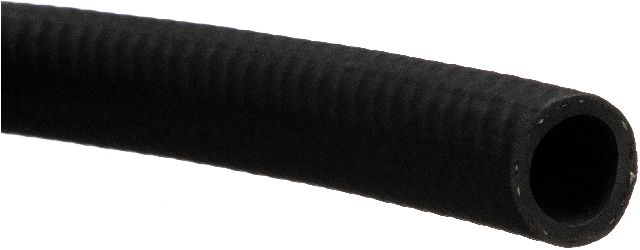
This is a molded EPDM rubber hose connecting the water pump to the intake manifold on 5.2L (318ci) and 5.9L (360ci) V8 engines. It is designed to meet or exceed SAE 20R4, Class D2 specifications.
We Have This Part in Stock

The information in this article is provided for general reference and educational purposes only. Vehicle specifications, procedures, and part compatibility can vary by production date, trim level, and region. Always consult your vehicle's factory service manual and verify part numbers before purchasing or performing repairs. Safety-critical components such as airbags, seat belts, and braking systems should be installed by a qualified professional.