

1979-1981 Dodge St. Regis Horn Replacement and Troubleshooting
Get your classic Dodge St. Regis horn working again with this guide to diagnosis and replacement.
- Before replacing the horn, always check the fuse and horn relay first, as they are common and inexpensive failure points.
- A weak or high-pitched sound usually means one of the two horns has failed and needs to be replaced.
- Replacement is a simple DIY job for most owners, requiring only basic tools.
- Aftermarket brands like Standard Ignition and Replacement offer reliable and affordable options, as new OEM parts are no longer available.
Is Your St. Regis Horn Failing? Common Symptoms
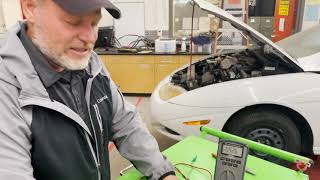
A problem with your horn can show up in a few ways. Recognizing the symptom can help you find the source of the issue faster. 🎬 Watch: A professional guide on how to test a horn circuit. Most horn problems come from one of five places: the horn button, the relay, the fuse, the wiring, or the horn assembly itself.
- No Sound at All: If you press the horn button and hear nothing, the issue could be a blown fuse, a bad relay, a broken wire, or a completely failed horn assembly. Start by checking the fuse, as it's the easiest and cheapest part to fix.
- Weak or High-Pitched Sound: Your St. Regis likely came with two horns (a high and a low tone). If one of them fails, the sound will be weak, high-pitched, or just sound "wrong." This almost always means one of the horn units has failed and needs replacement.
- Horn Works Intermittently: A horn that works sometimes and not others often points to a loose electrical connection or a failing horn relay. Corrosion on the connectors at the horn or a problem with the horn switch in the steering column could also be the cause.
- Horn is Stuck On: This is often caused by a shorted or stuck horn relay. It can also be an issue with the horn switch in the steering wheel.
Diagnosing the Problem Before You Buy
Before spending money on a new horn, a few simple checks can save you time and money. The most common failure points are the fuse and the relay.
- Check the Fuse: The first step is to check the fuse box for a blown horn fuse. This is the simplest possible fix.
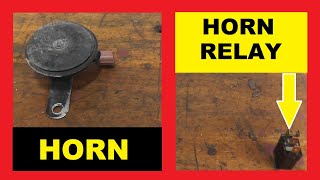
- Check the Horn Relay: When you press the horn button, you should hear a faint click from the horn relay. If you hear a click but the horn doesn't sound, the relay is likely working, and the problem is with the horn itself or the wiring. If you don't hear a click, the relay could be bad. 🎬 See this video for horn relay testing and replacement tips. On many older Mopar vehicles, the horn relay is located near the radiator support or on the fuse panel.
- Test the Horn Directly: If the fuse and relay are good, you can test the horn itself. Locate the horn, which is typically at the front of the vehicle behind the grille. Disconnect its electrical connector and use jumper wires to apply 12V power directly from the car battery. If the horn sounds, the problem is in the wiring or the switch; if it stays silent, the horn has failed. 🎬 Watch: How to fix common wiring issues on old Mopar vehicles.
Choosing the Right Aftermarket Horn
For a classic vehicle like the 1979-1981 St. Regis, finding a New Old Stock (NOS) OEM horn is nearly impossible. Aftermarket parts are the most practical and available solution. The quality of modern aftermarket horns is generally very good and will restore the original sound and function.
Aftermarket Brand Tiers
| Brand | Quality Assessment | Price Range |
|---|---|---|
| Standard Ignition (Intermotor) | A well-known aftermarket brand with a long history. Standard Motor Products is often considered a reliable choice, with quality that can be as good as or better than original parts in some cases. They are a trusted name in electrical components. | $45 - $58 |
| Replacement | This is a generic or store-brand category. These parts offer a cost-effective solution that meets original specifications. They are a good value for restoring function to your vehicle without the cost of a premium brand name. | $36 - $45 |
Pro Tip: Most horns for this era are sold as either a high or low tone. To ensure the correct sound, check which of your original horns has failed. If you are unsure, or if both are old, replacing them as a pair is a good idea to ensure a matched tone.
Frequently Asked Questions (FAQ)
Where is the horn located on a 1979-1981 Dodge St. Regis?
While specific documentation is scarce, the horns on most Chrysler R-body cars are located at the front of the vehicle, typically mounted to the radiator core support behind the grille. You may need to remove the grille for easy access.
Is it difficult to replace a horn on my St. Regis?
No, this is generally considered an easy DIY job. It usually involves removing a single bolt and unplugging an electrical connector. Basic hand tools are all that's required. The most difficult part might be accessing the horn if it is tucked behind other components.
Do I need to replace the horn relay when I replace the horn?
Not necessarily. You should only replace the relay if you have diagnosed it as the source of the problem (e.g., it doesn't 'click' when the horn is pressed). If the relay is working, there is no need to replace it with the horn. Horn relays are available as separate parts.
Were there any recalls for the horn on the Dodge St. Regis?
Searches of the National Highway Traffic Safety Administration (NHTSA) database did not find any recalls or technical service bulletins (TSBs) specifically related to the horn on the 1979-1981 Dodge St. Regis.
Helpful Videos
Technical Specifications
The 1979-1981 Dodge St. Regis typically uses a dual-horn system with separate high-note and low-note horns. These are 12V electrical components activated by a relay.
We Have This Part in Stock


The information in this article is provided for general reference and educational purposes only. Vehicle specifications, procedures, and part compatibility can vary by production date, trim level, and region. Always consult your vehicle's factory service manual and verify part numbers before purchasing or performing repairs. Safety-critical components such as airbags, seat belts, and braking systems should be installed by a qualified professional.