

Dodge St. Regis Spark Plug Replacement Guide (1979-1981)
Get your classic R-body running smoothly with the right set of new spark plugs.
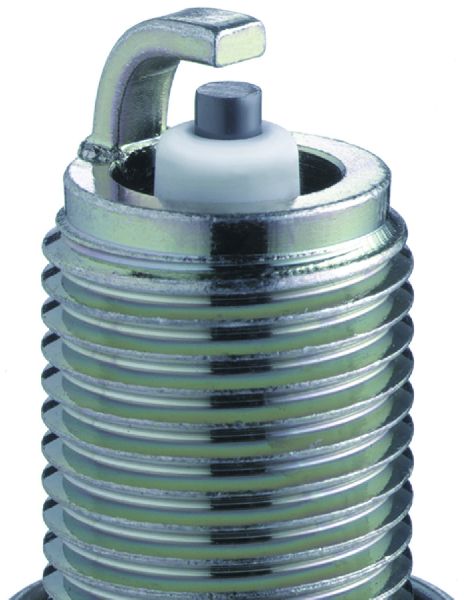
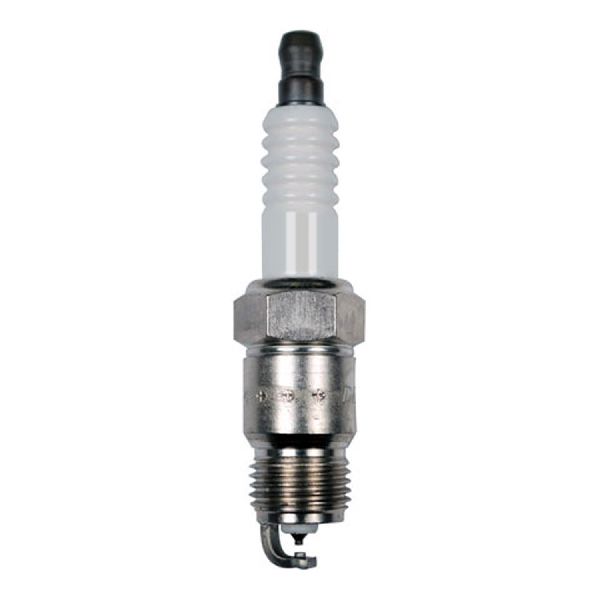
- Stick with standard copper-core spark plugs from brands like Champion, Autolite, or NGK for the best performance with the stock ignition system.
- Avoid expensive platinum or iridium plugs, as they are not necessary and may not perform as well in this vehicle's original ignition system.
- Before installation, always check that the spark plug gap is set to the factory specification of 0.035 inches.
- Replacing spark plugs is a simple and inexpensive DIY maintenance task that can significantly improve engine performance and reliability.
Signs of Failing Spark Plugs
The ignition systems in these classic Dodge sedans are straightforward, which often makes problems easy to spot. If your spark plugs are worn, fouled, or have an incorrect gap, you will notice it in how your car drives. Watch for these common symptoms:
- Rough Idle: The engine may shake, sputter, or sound uneven when the car is stopped.
- Engine Misfires: You might feel a hesitation, stumble, or jerking sensation during acceleration. This happens when a cylinder fails to fire properly.
- Hard Starting: A weak spark makes it difficult for the engine to start, requiring you to crank it for longer than usual.
- Reduced Power: If your St. Regis feels sluggish or lacks the power it used to have, worn plugs could be failing to burn the fuel mixture completely.
- Worse Fuel Economy: Inefficient combustion from bad plugs means your engine wastes fuel, leading to more frequent stops at the gas station.
Fouled Plugs Can Indicate Other Issues
When you remove your old spark plugs, inspect their tips. If they are coated in black, oily soot, it could be a sign of another problem, such as a carburetor running too rich or worn piston rings allowing oil into the combustion chamber. A spark plug non-fouler may offer a temporary fix for oil burning issues, but addressing the root cause is the correct long-term solution.
Choosing the Right Aftermarket Spark Plug
For a 1979-1981 Dodge St. Regis, newer and more expensive doesn't mean better. These engines were designed to run on standard copper-core spark plugs. The stock ignition system may not produce enough voltage to take full advantage of modern platinum or iridium plugs, which can sometimes lead to a weaker spark and worse performance than a fresh set of basic copper plugs.
Brand & Material Tiers
Based on Mopar enthusiast forums and general mechanical knowledge, here is a breakdown of available brands:
- Standard / Recommended (Copper Core): This is the best choice for a stock or lightly modified St. Regis. Champion was the Original Equipment (OEM) brand for many Chrysler vehicles of this era. Autolite and NGK (V-Power series) are also highly-regarded, reliable alternatives that many classic Mopar owners prefer. These brands provide excellent performance and value.
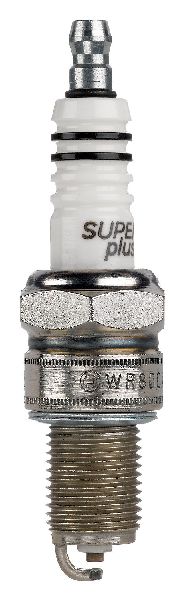
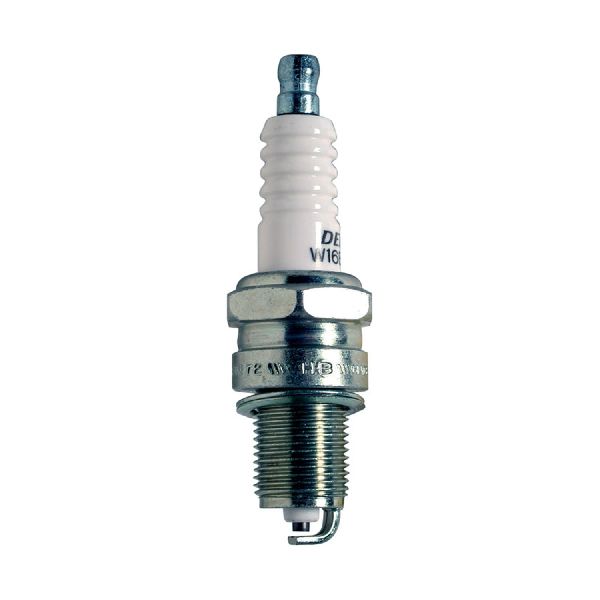
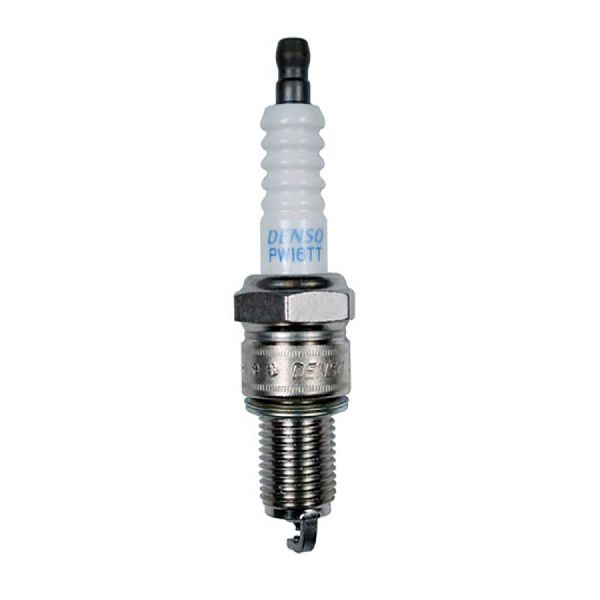
- Premium (Platinum / Iridium): Brands like Bosch, Denso, and premium lines from NGK offer long-life platinum and iridium plugs. While they are high-quality parts, they are generally not recommended for the stock ignition systems on these classic cars and are considered an unnecessary expense. Stick with copper unless you have a significantly upgraded, high-output ignition system (like an MSD box).
- Performance (Specialty): Brands like MSD offer plugs designed for engines with high-performance ignition upgrades. These are not necessary for a stock engine.
Check The Gap!
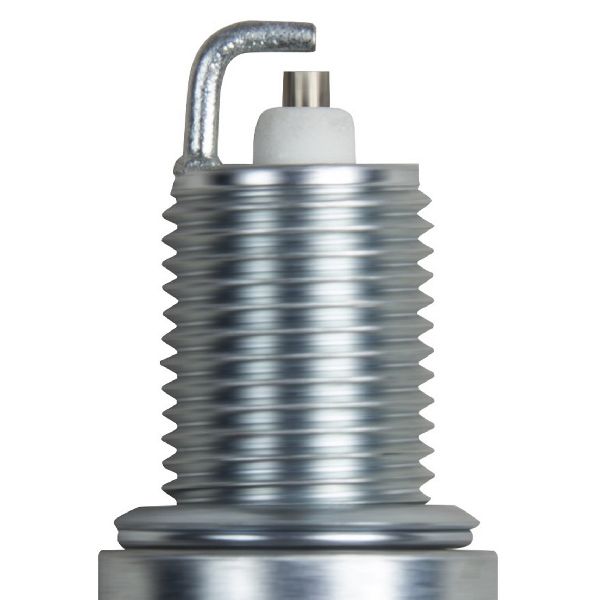
The single most important step before installation is to check the spark plug gap. For the stock ignition systems in these Dodge engines, the recommended gap is 0.035 inches. Use a spark plug gapping tool to verify this measurement and gently adjust if necessary. An incorrect gap can cause misfires and poor performance even with new plugs.
Aftermarket Spark Plug Cost
| Tier | Brands | Price Range (per plug) | Notes |
|---|---|---|---|
| Economy | Skyward, etc. | $3.00 - $5.00 | Basic copper plugs. Suitable for standard use. |
| Standard (Recommended) | Autolite, Champion, NGK | $4.00 - $8.00 | The best combination of performance and value for a stock St. Regis. |
| Premium / Performance | Bosch, Denso, MSD, NGK Iridium | $8.00 - $17.00 | Includes long-life iridium/platinum and performance plugs. Generally not necessary or recommended for stock engines. |
Frequently Asked Questions (FAQ)
Can I install spark plugs myself?
Yes, this is a great DIY job for beginners. Access to the spark plugs on the Slant-6 and V8 engines is generally straightforward. The process involves removing the spark plug wire, cleaning debris from around the plug, using a spark plug socket to remove the old plug, gapping the new plug, and carefully installing it. The entire job can usually be done in under an hour with basic hand tools.
Which spark plug is best: Champion, Autolite, or NGK?
All three are excellent choices. Champion was the original brand for many Mopars. However, some modern classic car owners have a preference for the quality and consistency of NGK or Autolite copper plugs. You can't go wrong with a standard copper plug from any of these reputable brands.
Are there any recalls for St. Regis spark plugs?
No. A search of the National Highway Traffic Safety Administration (NHTSA) database shows no recalls or technical service bulletins (TSBs) specifically related to spark plugs for the 1979-1981 Dodge St. Regis.
How often should I change the spark plugs?
For standard copper-core spark plugs in a classic vehicle, a good rule of thumb is to inspect them annually and replace them every 20,000 to 30,000 miles, or as part of a regular tune-up. Since they are inexpensive, changing them regularly is cheap insurance against ignition problems.
Technical Specifications
OEM Part Numbers: RN12YC
Engine Type: 225 Slant-6, 318 V8, 360 V8 Recommended Plug Type: Copper Core Thread Size: 14mm Stock Ignition Gap: 0.035 inches
We Have This Part in Stock

The information in this article is provided for general reference and educational purposes only. Vehicle specifications, procedures, and part compatibility can vary by production date, trim level, and region. Always consult your vehicle's factory service manual and verify part numbers before purchasing or performing repairs. Safety-critical components such as airbags, seat belts, and braking systems should be installed by a qualified professional.