

Choosing the Right Spark Plug Wire Set for Your 1979-1981 Dodge St. Regis
Get your classic Mopar running smoothly with the correct new spark plug wire set.
- You MUST buy the correct wire set for your specific engine: 225 Slant-6 (7 wires) or 318/360 V8 (9 wires).
- For most owners, a high-quality OEM-grade brand like NGK, Denso, or Standard (SMP) offers the best balance of performance and value.
- Performance brands like MSD and Taylor are great for modified cars but are not essential for a stock engine.
- Always replace the spark plugs, distributor cap, and rotor at the same time as the wires for a complete tune-up.
Is Your St. Regis Due for New Spark Plug Wires?
The spark plug wires on your 1979-1981 Dodge St. Regis are simple parts, but they are critical for engine performance. Over time, the insulation breaks down from engine heat, oil, and age. This allows the electrical energy to leak out before it reaches the spark plug, leading to a weak spark and noticeable running problems.
Symptoms of Failing Spark Plug Wires
When your wires start to fail, your car will tell you. Look for these common signs:
- Rough Idle: The engine may shake or vibrate more than usual when stopped.
- Engine Misfires: You might feel a stumble or jerk from the engine, especially under load or when accelerating.
- Hesitation or Loss of Power: The car may feel sluggish and slow to respond when you press the gas pedal.
- Difficulty Starting: A weak spark can make it harder for the engine to fire up.
- Reduced Fuel Economy: Inefficient combustion from a weak spark means the engine uses more fuel.
- Visible Damage: Check the wires for any cracks, burns, or melting on the outer insulation.
Pro Tip: Check in the Dark
For a quick visual test, start your engine in a dark garage and look at the spark plug wires. If you see small blue sparks arcing from the wires to any metal engine parts, the insulation has failed and the wires need immediate replacement.
Choosing the Right Aftermarket Spark Plug Wire Set
For a vehicle like the St. Regis, original OEM parts from Mopar are essentially unavailable unless you find expensive New Old Stock (NOS) intended for show cars. Modern aftermarket wires offer excellent, and often superior, performance and durability compared to 1970s technology. Here’s a breakdown of available brands to help you choose.
Brand Tiers for Your St. Regis
Tier 1: High-Performance Wires
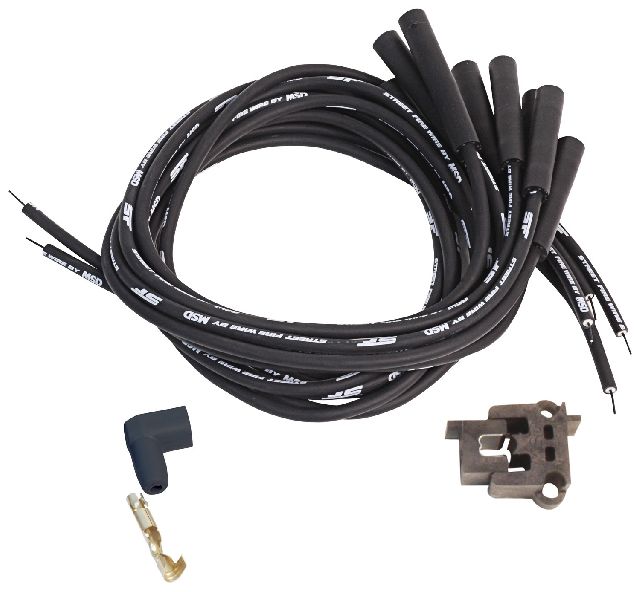
- MSD & Taylor Cable: These brands are very popular in the classic Mopar community for performance applications. They often feature thicker 8mm or 8.5mm silicone jackets and a spiral-wound core that offers low resistance for a hotter spark. They are an excellent choice if you have other ignition upgrades like a high-output coil.
- Granatelli: Often considered a brand for race builds, these are high-quality but may be overkill for a stock or lightly modified engine.
Tier 2: OEM-Grade Replacements
- NGK & Denso: Both are top-tier Japanese brands known for making high-quality ignition parts that meet or exceed original specifications. They are a fantastic choice for a reliable, long-lasting set that will restore original performance.
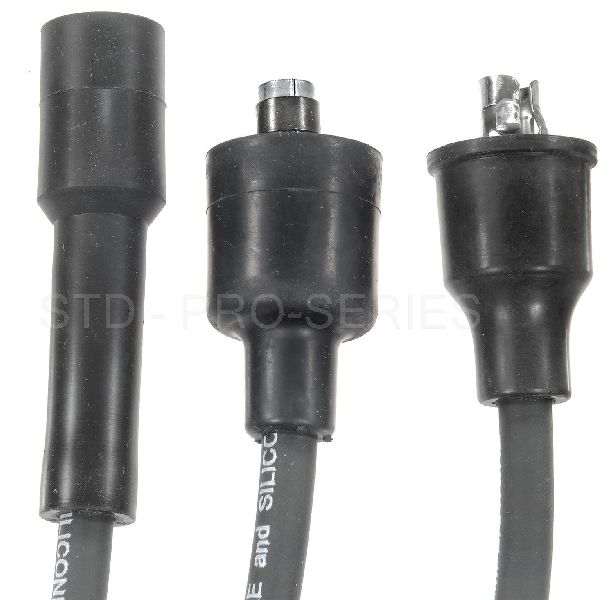
- Standard Motor Products (SMP): SMP is a well-respected aftermarket manufacturer that produces durable, reliable parts that fit correctly. Many mechanics trust Standard for quality that is on par with original equipment.
Tier 3: Economy Wires
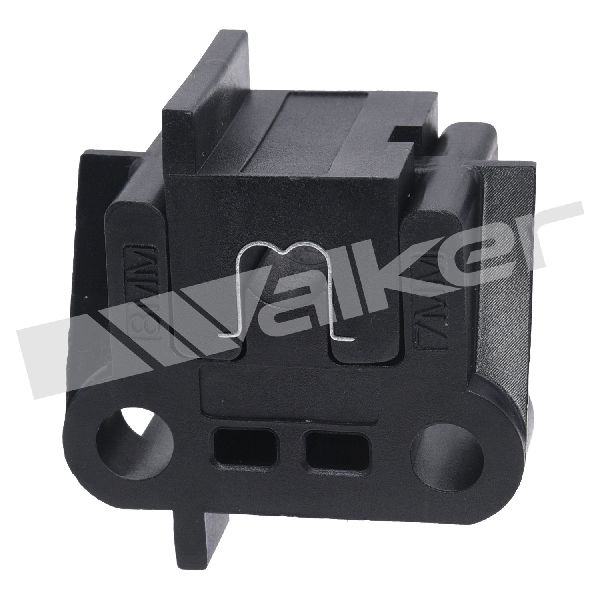
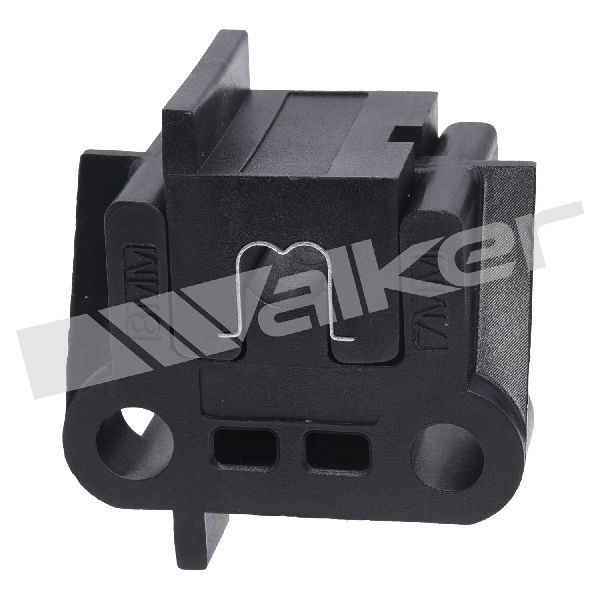
- Accel & Walker Products: These brands provide a functional, budget-friendly option. While Accel is a known name, some users have reported mixed experiences with quality control on their lower-end wires. They can be a good choice if cost is the primary concern, but may not have the same lifespan as Tier 1 or Tier 2 brands.
| Tier | Brands | Price Range | Best For |
|---|---|---|---|
| Performance | MSD, Taylor Cable, Granatelli | $70 - $142 | Modified engines, maximum spark energy |
| OEM-Grade | NGK, Denso, Standard (SMP) | $40 - $80 | Stock daily drivers, reliability, and long life |
| Economy | Accel, Walker Products | $24 - $50 | Budget-conscious repairs |
Common Ordering Mistake
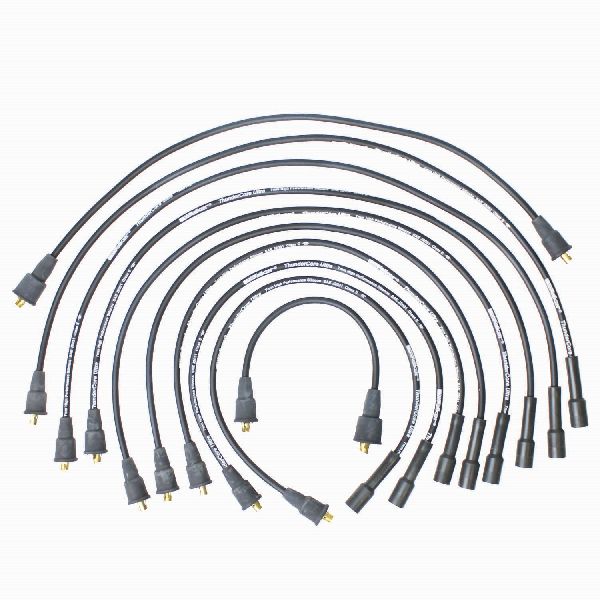
The biggest mistake is ordering the wrong set for your engine. The 225 Slant-6 requires a 7-wire set (6 for plugs, 1 for the coil). The 318 and 360 V8 engines require a 9-wire set (8 for plugs, 1 for the coil). Always confirm your engine before purchasing.
Frequently Asked Questions (FAQ)
Do I need special wires for my Slant-6 vs. my V8?
Yes, absolutely. The wire sets are completely different. A V8 set has nine wires of various lengths, while a Slant-6 set has seven. They are not interchangeable. You must order the set that is specific to your engine.
Should I replace anything else at the same time?
Yes. It is highly recommended to replace the spark plugs, distributor cap, and rotor when you replace the wires. Old, worn-out components can cause a new set of wires to fail prematurely. Also, consider inspecting or replacing the ballast resistor, as it is a common failure point on these cars that can cause similar ignition problems.
Is a thicker wire (like 8.5mm) better than a stock 7mm wire?
For a stock engine, a quality 7mm wire is perfectly fine. Thicker 8mm or 8.5mm wires offer better insulation to prevent spark loss, which is beneficial if you have a high-output ignition system or if the wires are routed close to hot exhaust manifolds. The thicker insulation adds durability, but you won't see a power increase on a stock engine just by changing wire diameter.
Are there any recalls for St. Regis spark plug wires?
No. A search of the National Highway Traffic Safety Administration (NHTSA) database shows no recalls or technical service bulletins (TSBs) for the spark plug wires on the 1979-1981 Dodge St. Regis.
Technical Specifications
OEM Part Numbers: 2875604 2875605 3837999
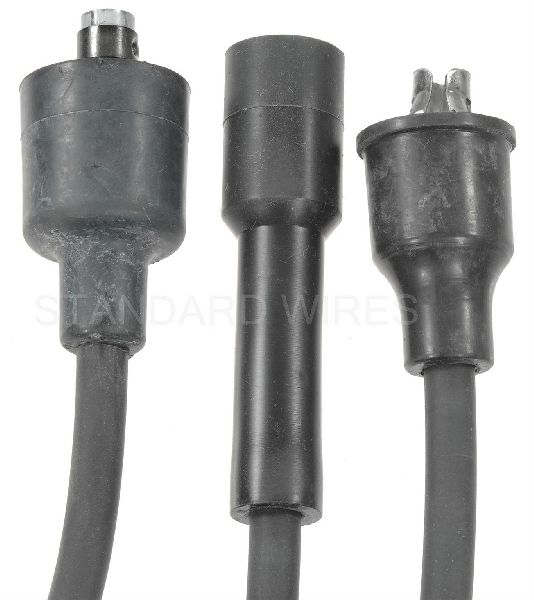
Core Material: Carbon (Original) or Spiral Wound (Modern); Diameter: 7mm (Stock) to 8.5mm (Performance); Boot Material: Silicone; Engine-specific lengths and number of wires (7 for L6, 9 for V8).
We Have This Part in Stock

The information in this article is provided for general reference and educational purposes only. Vehicle specifications, procedures, and part compatibility can vary by production date, trim level, and region. Always consult your vehicle's factory service manual and verify part numbers before purchasing or performing repairs. Safety-critical components such as airbags, seat belts, and braking systems should be installed by a qualified professional.