

Dodge D50 Automatic Transmission Cooler: A Guide for 1979-1982 Models
Keep your classic D50's automatic transmission from overheating with the right replacement cooler.
- Heat is the primary cause of automatic transmission failure; a functional cooler is essential for your D50.
- Symptoms of a bad cooler include fluid leaks, a burning smell, and poor shifting performance.
- New OEM parts are likely unavailable; aftermarket coolers from brands like Hayden are the standard replacement.
- Upgrading to a larger, stacked-plate style cooler is a smart investment, especially if you tow or live in a hot climate.
Why Your D50's Transmission Cooler Matters
The automatic transmission in your 1979-1982 Dodge D50 generates a lot of heat, especially under load. The transmission cooler's role is to manage that heat. If it fails, the transmission fluid can overheat, losing its ability to lubricate and protect the internal clutches and gears. This can quickly lead to serious and expensive transmission damage. Given the age of these trucks, ensuring the cooling system is in top shape is one of the best ways to keep it on the road.
Symptoms of a Failing Transmission Cooler
A bad cooler gives several warning signs. Ignoring them can lead to complete transmission failure.
- Transmission Overheating: This is the most direct sign. If your transmission feels unusually hot or you notice a drop in performance during strenuous driving, the cooler may not be working efficiently.
- Fluid Leaks: Puddles of red or brownish fluid under the front of your truck are a major red flag. The cooler itself or the lines running to it can develop cracks or leaks over time.
- Burnt Smell: A sharp, burnt odor suggests the transmission fluid is cooking. Overheated fluid breaks down and can't protect the transmission parts.
- Poor Shifting: You might experience delayed shifts, slipping gears, or rough and jerky gear changes. When the fluid is too hot, it doesn't provide the hydraulic pressure needed for smooth operation.
- Unusual Noises: Grinding, whining, or clunking sounds during shifts can indicate internal transmission parts are suffering from improper lubrication due to an overheating issue.
A Note on OEM Parts
For a vehicle from this era, new original equipment manufacturer (OEM) transmission coolers are generally no longer produced. Your only option for a new part will be from the aftermarket. Used OEM parts may be available, but their condition and remaining lifespan are unknown.
Choosing the Right Aftermarket Cooler
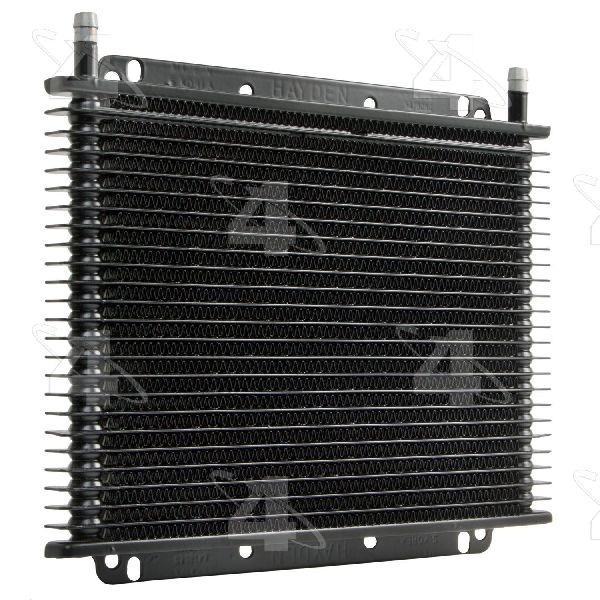
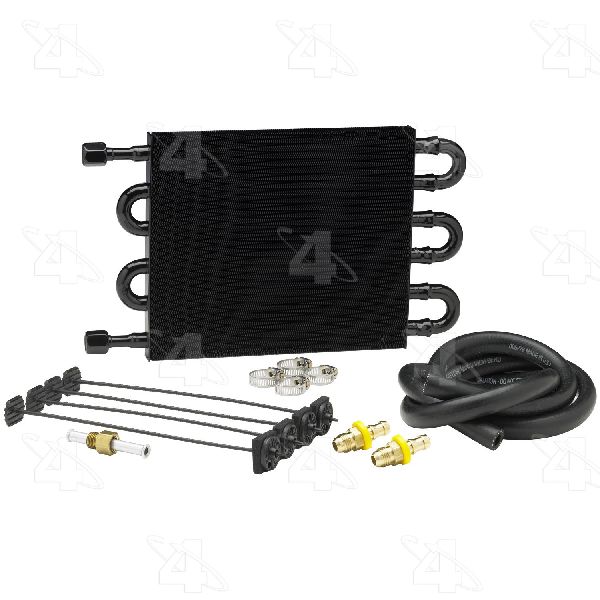
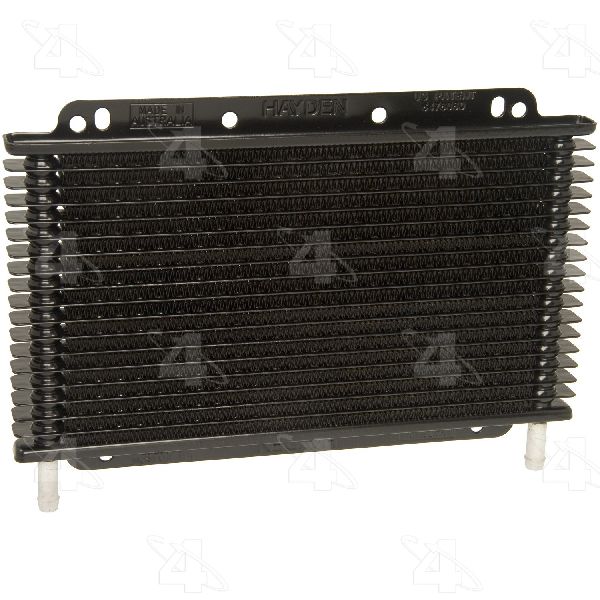
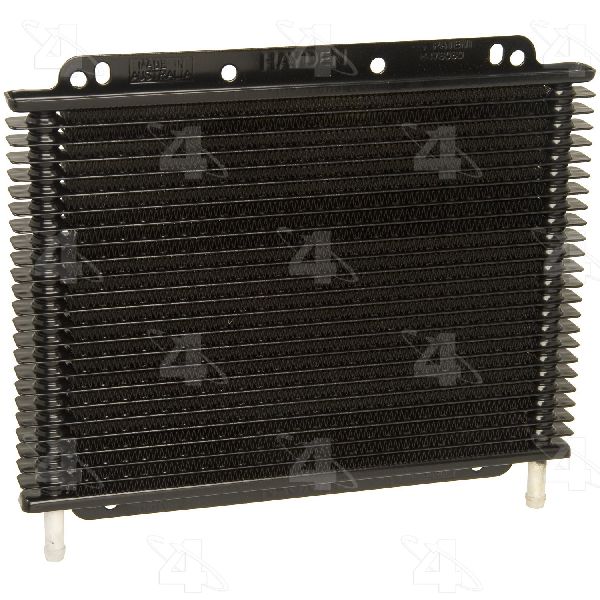
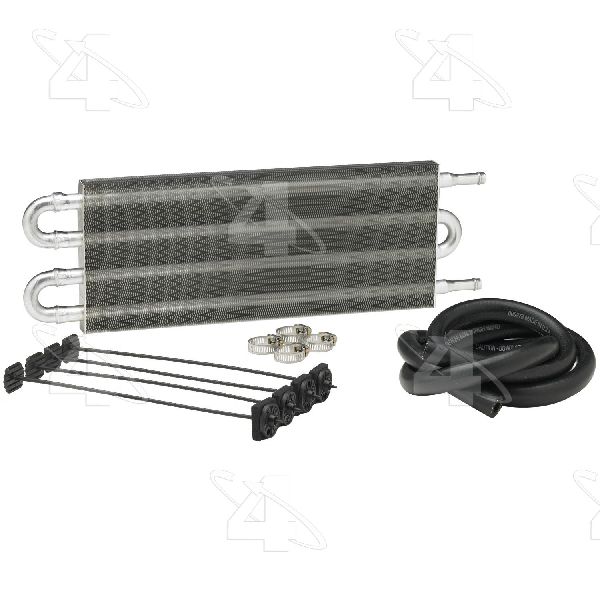
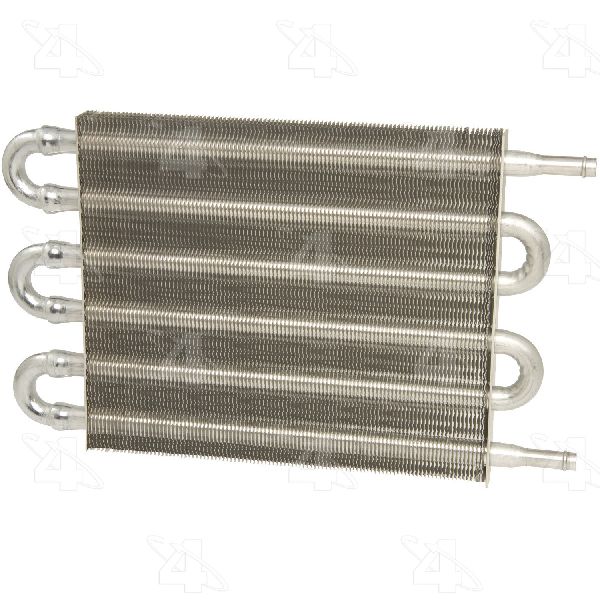
When shopping for a new cooler, you'll mainly find aftermarket options from brands like Hayden and Four Seasons. Hayden is a well-established brand in performance cooling, and their products are widely used. Forum users on various truck sites often recommend a "stacked plate" style cooler over the simpler "tube and fin" design, as they are generally more efficient at cooling. When choosing, look for a quality stacked plate cooler that fits the space in front of your D50's radiator.
| Part Type | Estimated Cost |
|---|---|
| New Aftermarket Cooler | $51.93 - $95.39 |
| Shop Labor | $120 - $250 |
| Total Estimated Cost | $172 - $345 |
Frequently Asked Questions
Can I install a bigger transmission cooler on my D50?
Yes, and it's often a good idea, especially if you tow or live in a hot climate. Upgrading to a larger, more efficient stacked-plate cooler is one of the best investments to extend the life of your transmission. Just ensure it fits securely in front of the radiator without blocking too much airflow.
Should I bypass the cooler in the radiator?
It is generally not recommended to bypass the factory cooler inside the radiator, especially if you live in a colder climate. The radiator helps bring the transmission fluid up to operating temperature faster. The best practice is to run the fluid from the transmission, through the stock radiator cooler, then to the new auxiliary cooler, and finally back to the transmission.
What's the difference between a stacked plate and a tube-and-fin cooler?
Tube-and-fin coolers are simple, with fluid running through a tube that has fins attached to dissipate heat. Stacked plate coolers consist of layers of plates that create more surface area for the fluid, making them more durable and efficient at cooling, which is why they are often recommended for heavy-duty use.
Are there any recalls for the Dodge D50 transmission cooler?
No active recalls or technical service bulletins (TSBs) were found from the National Highway Traffic Safety Administration (NHTSA) specifically for the automatic transmission cooler on the 1979-1982 Dodge D50.
Technical Specifications
Aftermarket coolers are available in various sizes. Common types include tube-and-fin or the more efficient stacked-plate design. Installation typically requires splicing into the existing 3/8 inch transmission lines.
We Have This Part in Stock

The information in this article is provided for general reference and educational purposes only. Vehicle specifications, procedures, and part compatibility can vary by production date, trim level, and region. Always consult your vehicle's factory service manual and verify part numbers before purchasing or performing repairs. Safety-critical components such as airbags, seat belts, and braking systems should be installed by a qualified professional.