

A Comprehensive Guide to Spark Plugs for the 1979-1982 Dodge D50
Find the right spark plugs to keep your classic Dodge D50's Mitsubishi engine firing on all cylinders.
- Match the spark plug to your specific engine; the 2.0L and 2.6L require different plugs.
- For this vehicle's ignition system, standard copper/nickel plugs from NGK or Denso are the most recommended choice for reliability and performance.
- If you have a 2.6L engine and one plug is repeatedly oil-fouled, suspect a failed jet valve as described in TSB 18-17-88.
- Always verify the spark plug gap with a tool before installation, even if the plugs are advertised as pre-gapped.
Symptoms of Failing Spark Plugs in a D50
When your spark plugs are worn, your truck will tell you. Because these pickups have simpler engine management systems than modern vehicles, the signs are often very clear. Look for:
- Rough Idle: The engine may shake or vibrate more than usual when you're stopped.
- Engine Misfires: You might feel a hesitation or stumble, especially under acceleration. This can feel like a bucking or jerking motion.
- Difficulty Starting: Worn plugs can make it harder for the engine to turn over, especially in cold weather.
- Reduced Fuel Economy: If you're filling up the tank more often, failing plugs could be the cause, as the engine isn't burning fuel efficiently.
- Poor Acceleration: A noticeable lack of power when you press the gas pedal is a common symptom.
A Known Issue for 2.6L Engines: The Jet Valve
The 2.6L Mitsubishi engine (G54B) in the D50 uses small, auxiliary "jet valves" in addition to the main intake and exhaust valves. According to a Technical Service Bulletin (TSB 18-17-88), these jet valves can sometimes fail and leak oil into the cylinder. This will cause the spark plug in that cylinder to become severely fouled with oil, leading to a persistent misfire. If you repeatedly find one plug is oily or black while the others look normal, the jet valve is the likely culprit, not the spark plug itself.
Choosing the Right Aftermarket Spark Plug
For a vehicle like the 1979-1982 D50, new OEM (Original Equipment Manufacturer) parts are generally unavailable. The aftermarket is your primary source, and the quality is excellent. The most important choice is not OEM vs. aftermarket, but picking the right type and brand of plug for your truck's vintage ignition system.
Spark Plug Materials: Keep it Simple
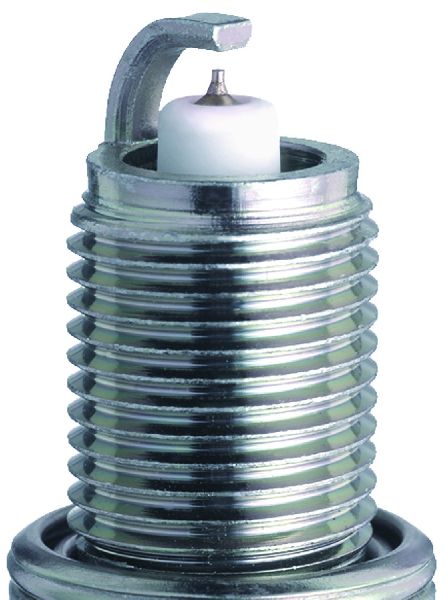
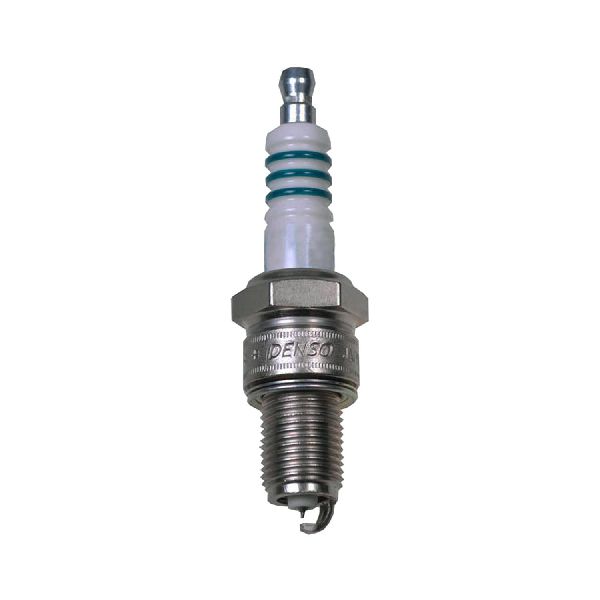
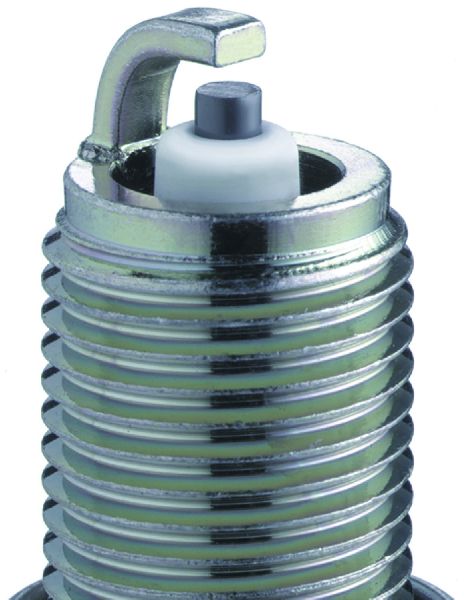
- Copper/Nickel: These are the standard, traditional plugs and are often the best choice for the D50. The ignition systems in these trucks were designed for them. They offer excellent performance at a low cost. Brands like NGK V-Power and standard Denso U-Groove are perfect examples. They do need to be changed more frequently, typically every 15,000-20,000 miles.
- Platinum/Iridium: These are premium, long-life plugs. While they last much longer (60,000+ miles), they are more expensive and may not offer any performance benefit in the D50's engine. In some cases, they can cause a weaker spark on older ignition systems. Stick with copper/nickel plugs unless you have a specific reason or upgraded ignition system.
Recommended Aftermarket Brands
Owner feedback and mechanic consensus are clear: for the Mitsubishi-made engines in these trucks, Japanese brands are the most reliable choice.
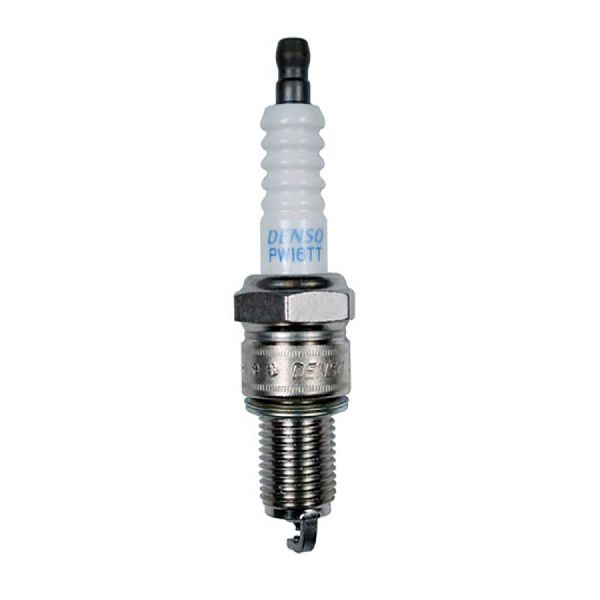
- Top Tier (Highly Recommended): NGK & Denso. These brands are often the original equipment for Japanese engines. They are widely regarded as the most reliable and best-performing options for the D50's 2.0L and 2.6L engines.
- Good Value: Autolite & Champion. These are reputable American brands that offer good quality at a fair price. Champion was a very common plug in the era and works well, while Autolite is another solid, widely available option.
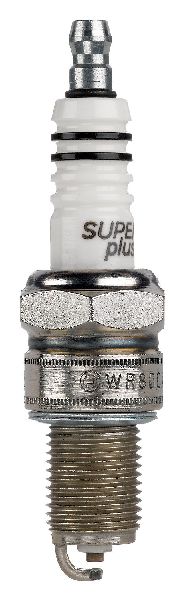
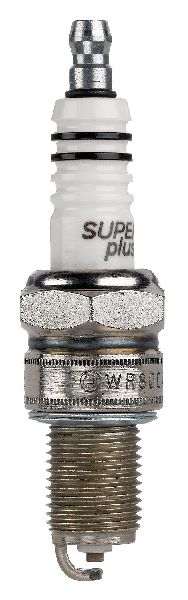
- Use With Caution: Bosch. While Bosch is a top-tier brand, some owners of older vehicles have reported issues with certain types of their plugs, like platinums, when not specified for the application. If you choose Bosch, stick to their standard copper plug line.
| Tier | Brands | Price Range |
|---|---|---|
| Standard (Recommended) | NGK, Denso, Champion, Autolite (Copper/Nickel) | $3.23 - $5.97 |
| Premium (Long Life) | NGK, Denso, Bosch (Platinum/Iridium) | $6.97 - $16.79 |
Always Check the Gap!
Spark plug gap is the distance between the center and ground electrodes. It's crucial for a strong spark. Even if plugs come "pre-gapped," you should always verify the gap with a feeler gauge or gapping tool before installation. The correct gap for the D50 engines is typically between 0.039 and 0.044 inches, but always confirm with the plug manufacturer's specification for your specific part number.
Frequently Asked Questions (FAQ)
Which spark plug do I need for my engine?
It depends on whether you have the 2.0L or 2.6L engine. They use different spark plugs. For example, some common NGK part numbers are BPR6EY-11 for the 2.0L and BPR5EIX-11 for the 2.6L. Always use a parts catalog or online tool to verify the exact part number for your specific engine and year.
Can I install spark plugs myself?
Yes, this is a great DIY job for beginners. The engines in the 1979-1982 D50 offer easy access to the spark plugs. You will need a ratchet, an extension, and a specific spark plug socket. The entire job can usually be done in under an hour.
How often should I change the spark plugs?
If you use standard copper/nickel plugs (which is recommended), a good interval is every 15,000 to 20,000 miles or every two years. This ensures your truck is always running at its best. If you opt for more expensive iridium plugs, they can last up to 100,000 miles.
Do I need to use anti-seize or dielectric grease?
It's a good practice. A small amount of anti-seize on the plug threads prevents them from getting stuck in the engine's cylinder head. Dielectric grease in the spark plug boot (the part that connects to the plug) prevents corrosion and ensures a good electrical connection.
Are there any recalls for D50 spark plugs?
No. Searches of the National Highway Traffic Safety Administration (NHTSA) database show no spark plug-related recalls for the 1979-1982 Dodge D50. Any recalls found are for much newer vehicles.
Technical Specifications
Engine-specific. Common aftermarket parts include NGK BPR6EY-11 (2.0L) and NGK BPR5EIX-11 or Denso 4709 (2.6L). Gap size is typically between 0.039" and 0.044". Wrench size is commonly 13/16". Always verify fitment.
We Have This Part in Stock

The information in this article is provided for general reference and educational purposes only. Vehicle specifications, procedures, and part compatibility can vary by production date, trim level, and region. Always consult your vehicle's factory service manual and verify part numbers before purchasing or performing repairs. Safety-critical components such as airbags, seat belts, and braking systems should be installed by a qualified professional.