

1979-1983 Dodge Colt Accessory Drive Belt: A Replacement Guide
Keep your classic Colt running smoothly by understanding its essential V-belts and when to replace them.
- Your Colt uses multiple V-belts, not a single serpentine belt.
- Inspect belts regularly for cracks, fraying, and proper tension to avoid a breakdown.
- Modern aftermarket brands like Gates, Dayco, and Continental offer quality superior to the original parts.
- Always replace belts in a complete set to ensure reliability and save on future labor.
Signs of a Failing Accessory Drive Belt
A failing V-belt will almost always give you a warning before it breaks completely. Ignoring these signs can lead to more expensive repairs down the road. Be alert for the following symptoms:
Common Failure Symptoms
- Squealing Noises: This is the most common sign of a problem. A high-pitched squeal, especially when starting the engine cold or during sharp turns, usually means a belt is slipping. This can be caused by a loose belt, a worn-out belt, or fluid contamination.
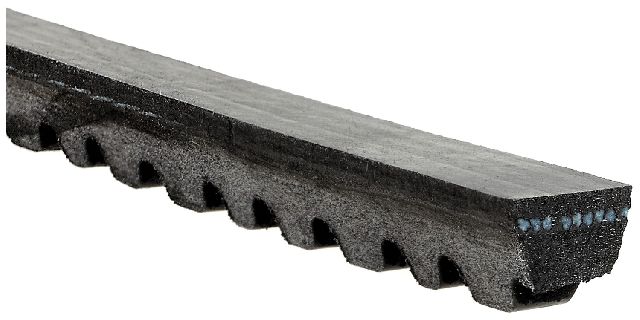
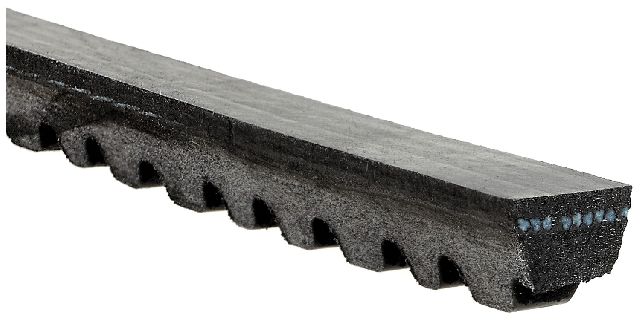
- Visible Wear and Cracks: A visual inspection can tell you a lot. Look for cracks, fraying, glazing (a shiny, hard surface), or missing chunks of rubber on the belts. Any visible damage means the belt is old and should be replaced.
- Accessory Malfunctions: If your battery isn't charging (dimming lights, battery warning light), your engine is overheating, or your power steering becomes difficult, a failing belt could be the cause. This happens when the belt can no longer properly turn the pulley for that component.
- Vibrations: As belts wear out, they can cause new vibrations that you might feel while driving or when the engine is idling.
Choosing the Right Aftermarket Belt
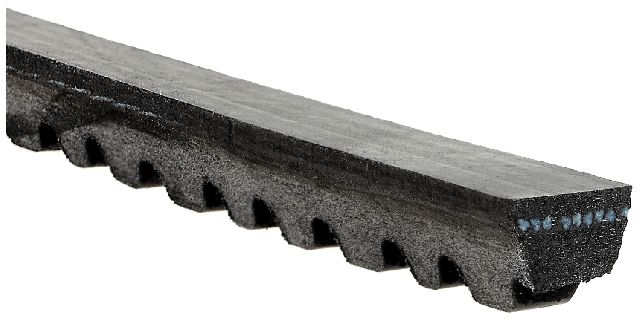
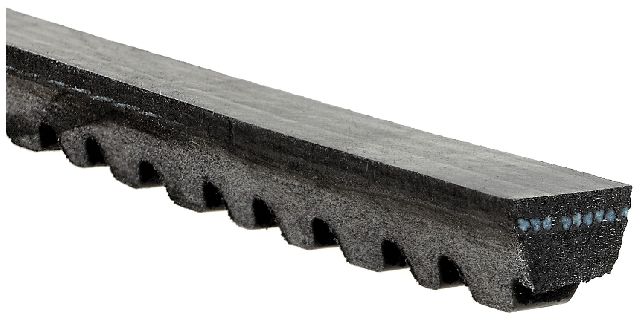
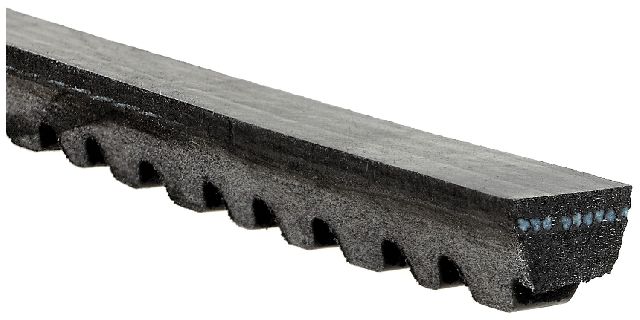
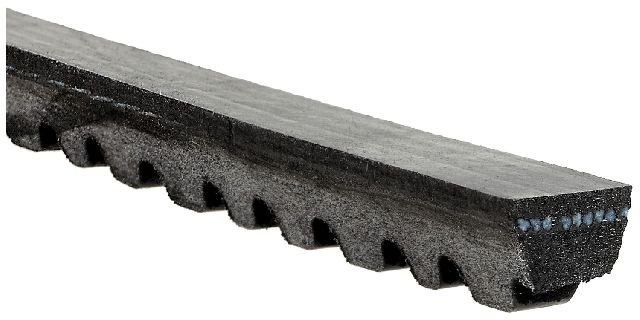
Original Equipment (OEM) belts for a vehicle from this era are no longer available. However, modern aftermarket belts from reputable brands offer excellent, and often superior, quality compared to the original 1980s technology. Your Colt will have multiple individual V-belts, and it's critical to get the correct length and profile for each accessory. Always check your vehicle's specific engine (1.4L or 1.6L) and accessory combination before ordering.
Brand Quality Tiers
For your Dodge Colt, brands like Gates, Dayco, and Continental are all reliable choices. They all use modern EPDM rubber compounds which are more resistant to heat and cracking than the original neoprene belts.
- Good (Standard Replacement): A standard V-belt from Dayco or a similar brand will meet or exceed the original specifications and provide reliable service. These are a cost-effective choice for a daily driver.
- Better (Premium): Brands like Gates and Continental (ContiTech) are often considered top-tier in the aftermarket. They may feature specific constructions, such as polyester cord reinforcement, that provide extra durability and a longer lifespan.
- Best (Performance): While less common for V-belts, some brands like Gates offer 'heavy-duty' or 'fleet' versions. For a classic car like the Colt, a premium belt from Gates or Continental is more than sufficient for excellent performance and longevity.
Pro Tip: When one belt needs to be replaced, it's a good idea to replace all of them at the same time. They have all been exposed to the same conditions and wear. This saves you from having to do the job again in a few months when the next belt fails.
Estimated Costs
The cost to replace the accessory drive belts on your Colt is very reasonable, especially if you do the work yourself. The parts are inexpensive, and the job is straightforward.
| Part/Service | Estimated Cost |
|---|---|
| New Aftermarket Belts (Set of 2-4) | $10 - $45 |
| Shop Labor | $100 - $200 |
| Total Professional Replacement | $110 - $245 |
Frequently Asked Questions (FAQ)
How many accessory belts does my 1979-1983 Dodge Colt have?
Your Colt has a multi-belt system, not a single serpentine belt. The exact number (usually 2 to 4 belts) depends on the engine size (1.4L or 1.6L) and whether your car is equipped with options like power steering and air conditioning. You will need a separate V-belt for each system. It's best to visually inspect your engine or consult a parts catalog to confirm the exact number and sizes you need.
Can I replace the drive belts myself?
Yes, this is a very DIY-friendly job for a beginner to intermediate mechanic. The process involves loosening the bolts on the accessories (like the alternator), which allows you to remove the old belts and install the new ones. Tension is set by manually prying the accessory outward before tightening the bolts. No special tensioner tools are required like on modern cars.
How do I know if the belt tension is correct?
On a V-belt system without an automatic tensioner, a good rule of thumb is the "half-inch deflection" method. On the longest span of the belt between two pulleys, you should be able to press down with your thumb and have it deflect about half an inch. If it's much looser, it will slip and squeal. If it's too tight, it will put excessive strain on the bearings of the accessories, causing them to wear out prematurely.
Are there any recalls for the accessory belts on this Colt?
No. Searches of the National Highway Traffic Safety Administration (NHTSA) database show no recalls or technical service bulletins (TSBs) related to the accessory drive belts for the 1979-1983 Dodge Colt. Any issues you experience will be due to normal wear and tear over the vehicle's long life.
Technical Specifications
The 1979-1983 Dodge Colt uses a multiple V-belt system. The exact number and length of the belts depend on the engine (1.4L or 1.6L) and factory-installed options like power steering and A/C. Always verify the specific belts required for your vehicle's configuration before purchasing.
We Have This Part in Stock

The information in this article is provided for general reference and educational purposes only. Vehicle specifications, procedures, and part compatibility can vary by production date, trim level, and region. Always consult your vehicle's factory service manual and verify part numbers before purchasing or performing repairs. Safety-critical components such as airbags, seat belts, and braking systems should be installed by a qualified professional.