

Ford Mustang Oxygen Sensor Guide: 1979-1983
Everything Fox Body owners need to know about replacing the oxygen sensor on carbureted and fuel-injected models.
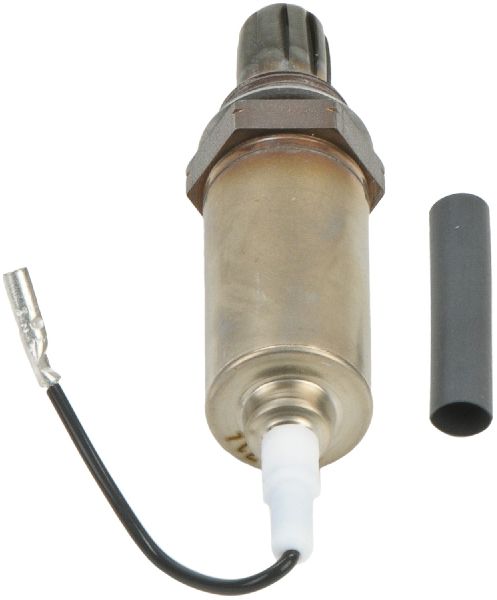
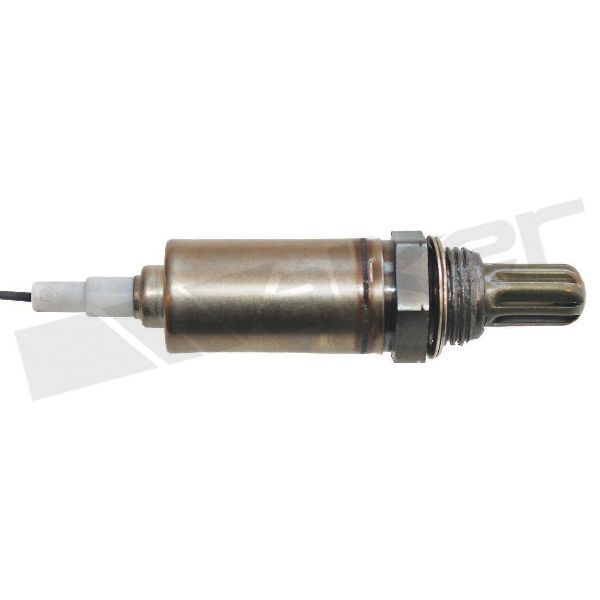
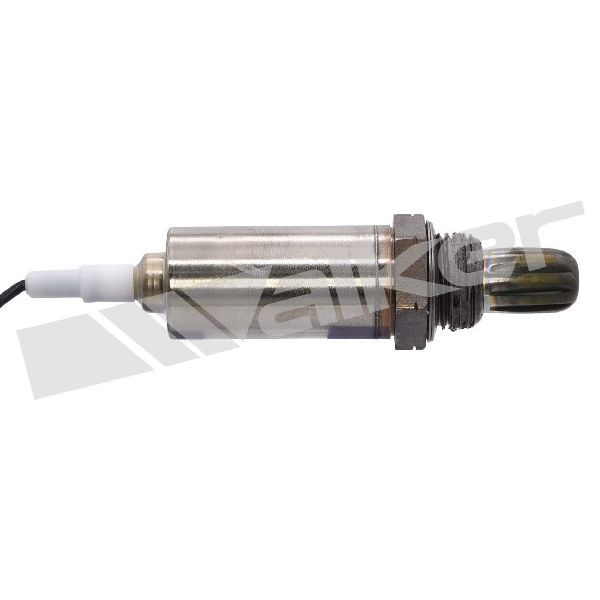
- Your 1979-1983 Mustang uses a single, one-wire, unheated oxygen sensor for its EEC-IV system.
- Failure symptoms include poor gas mileage, rough idle, and a check engine light with codes 41 or 91.
- Replacement is DIY-friendly; use penetrating oil and a special O2 sensor socket for easier removal.
- Bosch and NGK (NTK) are premium aftermarket choices, while Walker and Spectra offer good value.
Understanding the Oxygen Sensor in Your 1979-1983 Mustang
The oxygen sensor in the 1979-1983 Ford Mustang, also known as a HEGO (Heated Exhaust Gas Oxygen) sensor, is a critical component for engine performance, even on models equipped with a feedback carburetor. These early systems use the sensor's readings to make the fuel mixture richer or leaner. Unlike modern cars, these Mustangs typically use a single, non-heated, one-wire oxygen sensor located in the exhaust manifold or the front of the exhaust pipe before the catalytic converter. Because it's unheated, the sensor must reach its operating temperature from the hot exhaust gases alone before it starts sending accurate signals to the engine computer.
Choosing the Right Aftermarket Oxygen Sensor
For a vehicle of this vintage, aftermarket parts are the most common and accessible option. Original Ford (Motorcraft) parts for this specific period are generally no longer available. Fortunately, reputable aftermarket brands offer quality replacements that meet or exceed original specifications.
- Premium Brands (Bosch, NGK/NTK): Bosch is credited with inventing the automotive oxygen sensor and remains a top-tier supplier known for quality and longevity. NGK, which sells sensors under the NTK brand name, is another primary OEM supplier for Ford and many other carmakers, known for its reliability and direct-fit designs. For owners seeking the highest quality and longest service life, these brands are the top choice.
- Standard/Economy Brands (Walker Products, Spectra): Walker and Spectra offer reliable and cost-effective alternatives. They are well-regarded in the aftermarket community and provide a good balance of performance and value, making them a solid choice for daily drivers or budget-conscious repairs. While they may have a shorter lifespan compared to premium brands, they are a perfectly functional option.
Aftermarket Brand Cost & Quality
| Brand Tier | Brands | Typical Price Range | Quality Assessment |
|---|---|---|---|
| Premium | Bosch, NGK (NTK) | $40 - $72 | OEM-level quality, known for durability and precise signaling. Often the original supplier to Ford. |
| Standard | Walker Products, Spectra | $21 - $40 | Good quality for the price, meets standard performance requirements for a reliable repair. |
Known Issues & Recalls
Searches of the National Highway Traffic Safety Administration (NHTSA) database show no specific recalls or widespread Technical Service Bulletins (TSBs) for the oxygen sensor on the 1979-1983 Ford Mustang. Failures are typically due to age, contamination from oil or coolant, or carbon buildup. On these early Fox Body models, a common issue is simply the sensor's age; most are designed to last between 60,000 and 100,000 miles.
Pro Tip: Checking Trouble Codes
Your 1979-1983 Mustang uses the EEC-IV diagnostic system, which flashes two-digit codes. You can retrieve these codes without a modern scanner using a jumper wire and counting the flashes of the check engine light (on later models) or with a simple voltmeter. Common codes for a bad oxygen sensor are Code 41 (Right O2 sensor indicates lean) and Code 91 (Left O2 sensor indicates lean). Since these cars often have only one sensor, Code 41 is the one you'll most likely encounter.
Frequently Asked Questions (FAQ)
Where is the oxygen sensor located on my Mustang?
On 1979-1983 Mustangs, there is typically only one oxygen sensor. It is located in the exhaust system before the catalytic converter. You will usually find it screwed into the passenger-side exhaust manifold or the upper part of the exhaust downpipe.
Is this a difficult part to replace myself?
For a DIY mechanic, this is a relatively easy job. The sensor can be hard to access and may be seized in the exhaust pipe due to rust. Using a generous amount of penetrating oil and a special oxygen sensor socket will make the job much easier. The estimated time is under one hour.
Do I need a heated or unheated sensor?
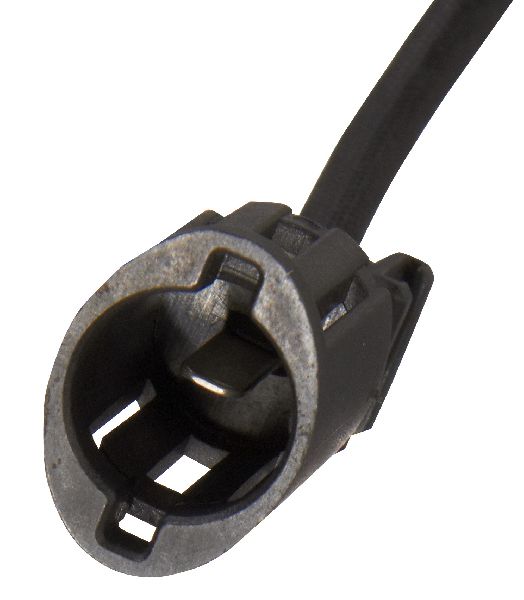
Most Mustangs in this year range use a single-wire, unheated oxygen sensor. It's crucial to order the correct part for your vehicle, as a heated sensor with more wires will not work with the factory wiring harness.
Should I use anti-seize on the new sensor?
Yes. Most new aftermarket oxygen sensors come with anti-seize compound already applied to the threads. If not, apply a small amount of high-temperature, sensor-safe anti-seize to the threads before installation to prevent it from getting stuck in the future. Be careful not to get any on the sensor tip itself.
Technical Specifications
OEM Part Numbers: E4ZF-9F472AA E0AZ-9F472-A
Wire Quantity: 1, Heated: No, Thread Size: 18mm, Wrench Size: 7/8" (22mm)
We Have This Part in Stock

The information in this article is provided for general reference and educational purposes only. Vehicle specifications, procedures, and part compatibility can vary by production date, trim level, and region. Always consult your vehicle's factory service manual and verify part numbers before purchasing or performing repairs. Safety-critical components such as airbags, seat belts, and braking systems should be installed by a qualified professional.