

1979-1983 Jeep Cherokee (SJ) Ignition Coil Replacement Guide
Restore spark and fix engine performance issues by choosing the right ignition coil for your classic SJ Cherokee.
- A failing ignition coil on this Jeep will cause hard starting, stalling, misfires, and poor performance.
- Because it uses a single coil, a complete failure will leave you stranded with a no-start condition.
- For reliability, most owners recommend a high-quality OEM-style replacement from a brand like NGK or Crown over a performance coil.
- Replacement is a very simple DIY job that takes less than 30 minutes with basic tools.
Symptoms of a Failing Ignition Coil
A bad ignition coil on your SJ Cherokee will cause noticeable engine problems. Because it has a single coil, a complete failure will prevent the engine from starting at all. A weak or failing coil will cause less severe, often intermittent, issues.
- No Start or Hard Starting: If the coil is completely dead, your engine will crank but won't fire. A weak coil can make the engine difficult to start, especially when cold.
- Engine Misfires: The engine may sputter, shake, or run rough, especially while idling or under load. This happens because the spark plugs aren't getting enough voltage to ignite the fuel consistently.
- Stalling: The engine may unexpectedly shut off, particularly when idling at a stoplight.
- Loss of Power: You might notice your Cherokee feels sluggish and has poor acceleration because one or more cylinders aren't firing correctly.
- Worse Fuel Economy: When the engine misfires, it doesn't burn fuel efficiently, leading to more frequent trips to the gas station.
- Backfiring: In some cases, unburned fuel can enter the exhaust system and ignite, causing a loud pop or bang from the tailpipe.
Pre-OBDII Vehicle
Your 1979-1983 Cherokee was built before On-Board Diagnostics (OBDII) became standard. This means it does not have a check engine light that will point you to a specific failing component with a trouble code like newer vehicles do. Diagnosis relies on observing these physical symptoms.
Choosing the Right Aftermarket Ignition Coil
For a classic vehicle like the SJ Cherokee, reliability is key. While performance coils are available, forum discussions among Jeep owners often suggest that sticking with a quality OEM-style replacement is the most dependable choice.
Brand Tiers for Your Jeep
- Tier 1: Premium OEM-Style Replacements (Recommended)
Brands like NGK and Crown Automotive focus on meeting or exceeding original equipment specifications. NGK is a highly respected name in ignition systems, and Crown specializes in parts for Jeep vehicles. For a stock engine, these brands are widely considered a reliable and safe bet. - Tier 2: Performance Upgrades
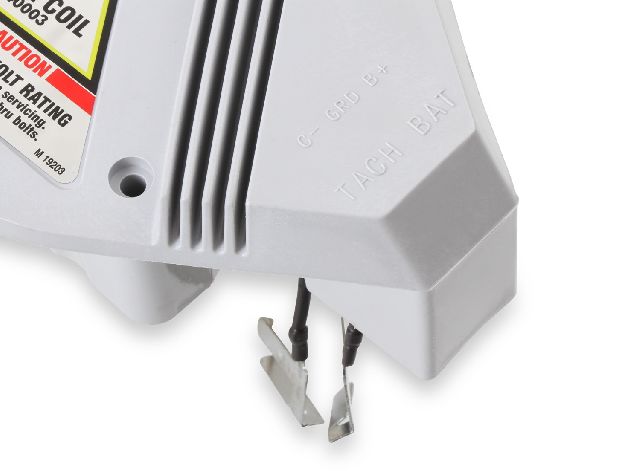
Accel is a well-known performance brand that offers a high-voltage coil, often in a distinctive yellow or chrome canister. While this can provide a stronger spark, some Jeep owners in forums have reported reliability issues and premature failures with aftermarket performance coils. An upgrade may not offer a noticeable benefit on a stock engine and could potentially stress other original ignition components. - Tier 3: Standard/Economy Replacements
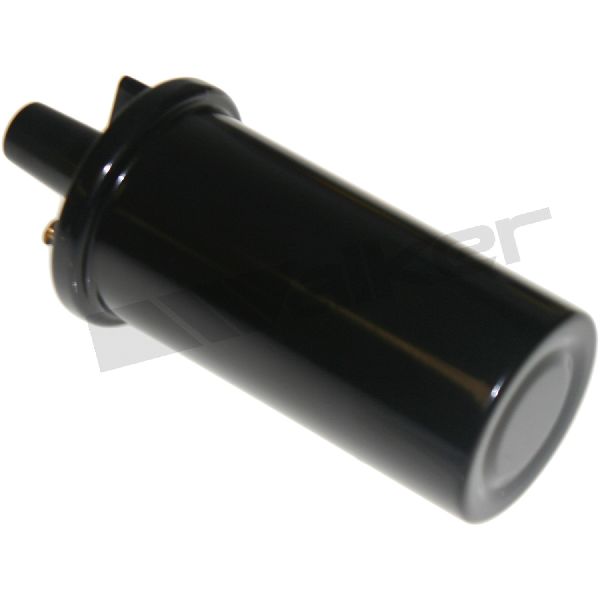
Brands like Spectra and Walker Products offer a budget-friendly solution for getting your Jeep back on the road. These are standard replacement parts that will perform the basic function but may not have the same long-term durability or construction quality as premium brands.
Cost of Replacing a 1979-1983 Jeep Cherokee Ignition Coil
Replacing the ignition coil on this vehicle is one of the more affordable repairs you can make.
| Part Type | Price Range |
|---|---|
| New Aftermarket Ignition Coil | $27.06 - $101.85 |
| Shop Labor | $50 - $100 |
DIY Installation is Easy
Replacing the ignition coil on an SJ Cherokee is a very simple job that most owners can do at home in under 30 minutes with basic hand tools (like a 10mm socket and wrench). The coil is typically mounted on the fender or engine block and is easily accessible. The process involves disconnecting the negative battery terminal, unplugging one electrical connector, removing the main coil wire that goes to the distributor, and then unfastening two mounting bolts. Applying a small amount of dielectric grease to the new coil's connections is recommended to prevent corrosion.
Frequently Asked Questions
Do I need a special tool to replace the ignition coil?
No, you do not. Basic hand tools, typically a 10mm socket and/or wrench, are all that is required to unbolt the coil and its bracket.
Is a high-performance coil worth it for my stock engine?
For a stock 1979-1983 Cherokee, a high-performance coil is generally not necessary and may not provide any noticeable gains in power or fuel economy. Many Jeep enthusiasts recommend sticking with a quality OEM-style coil for maximum reliability.
What is the difference between an oil-filled and an epoxy-filled coil?
Traditional coils, like the original on your Jeep, are filled with oil to help dissipate heat. Modern performance coils, like some from Accel, may be filled with epoxy. Epoxy can offer better vibration resistance, but for most applications on this vehicle, a standard oil-filled canister coil is perfectly adequate.
My Jeep won't start. How do I know it's the coil?
A simple test is to check for spark. You can carefully remove a spark plug wire, insert an old spark plug into the boot, and hold the plug's metal base against a metal part of the engine. Have a helper crank the engine and look for a strong, blue spark. If there is no spark, the coil is a primary suspect, along with the distributor cap, rotor, and ignition module.
Technical Specifications
OEM Part Numbers: J3235010 3235010
Canister-style, oil-filled, 12V external coil for distributor ignition systems. Interchange part numbers include FD476T and EBC1717.
We Have This Part in Stock

The information in this article is provided for general reference and educational purposes only. Vehicle specifications, procedures, and part compatibility can vary by production date, trim level, and region. Always consult your vehicle's factory service manual and verify part numbers before purchasing or performing repairs. Safety-critical components such as airbags, seat belts, and braking systems should be installed by a qualified professional.