

A/C Compressor Replacement Guide for the 1979-1983 Mazda 626
Get your classic Mazda's air conditioning working again by understanding your A/C compressor options.
- Professional installation is highly recommended due to legal requirements for handling refrigerant and the need for specialized vacuum and charging equipment.
- You must identify if your car uses the original R-12 refrigerant or has been converted to R-134a before buying parts.
- Always replace the receiver/drier and flush the A/C system when installing a new compressor to prevent immediate failure.
- Verify the correct oil type and quantity for your new compressor; incorrect lubrication is a primary cause of damage.
Is Your Mazda 626 A/C Not Working? It Could Be the Compressor.
For a classic car like the 1979-1983 Mazda 626, a working air conditioning system is a great feature. If your A/C is only blowing warm air, making strange noises, or not working at all, the compressor is a likely suspect. Common problems include a seized compressor, a failed clutch that won't engage, or internal leaks that prevent it from building pressure.
Symptoms of a Failing A/C Compressor
- No Cold Air: The most obvious symptom is warm air from the vents when the A/C is on. This can happen if the compressor isn't pressurizing the refrigerant.
- Strange Noises: A grinding or squealing noise when you turn on the A/C can indicate a failing compressor bearing or internal components. A loud squeal could also point to a worn-out clutch.
- Visible Leaks: You might see oil residue on the compressor body. The compressor contains oil to lubricate its internal parts, and a leak is a sure sign of a problem.
- Clutch Not Engaging: The outer part of the compressor pulley is a clutch that should engage when you turn on the A/C. If it doesn't spin, it could be an electrical issue or a failed clutch.
Refrigerant Type is Critical
Your 1979-1983 Mazda 626 was originally equipped with R-12 refrigerant. Many of these systems have been converted to the more modern R-134a refrigerant. Before ordering parts, you MUST determine if your system has been converted. Converted systems will have different service ports. The type of refrigerant also determines the type of oil used in the compressor. Using the wrong oil will destroy the new compressor.
Choosing the Right Aftermarket Compressor
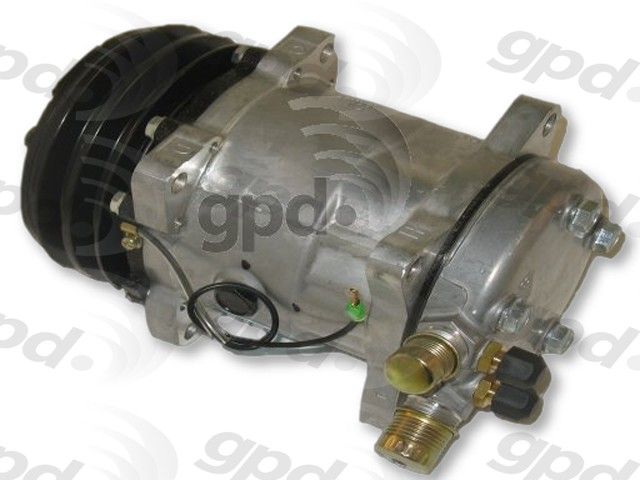
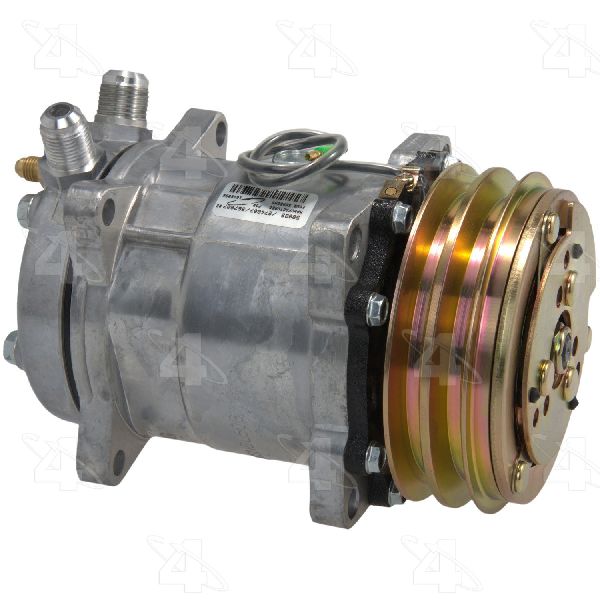
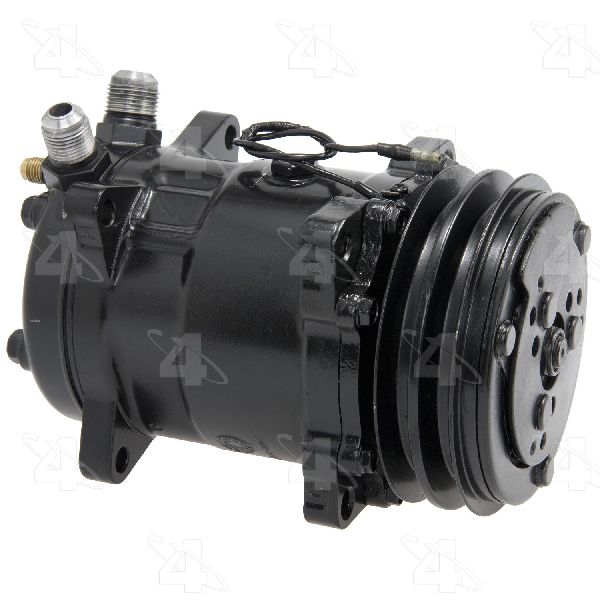
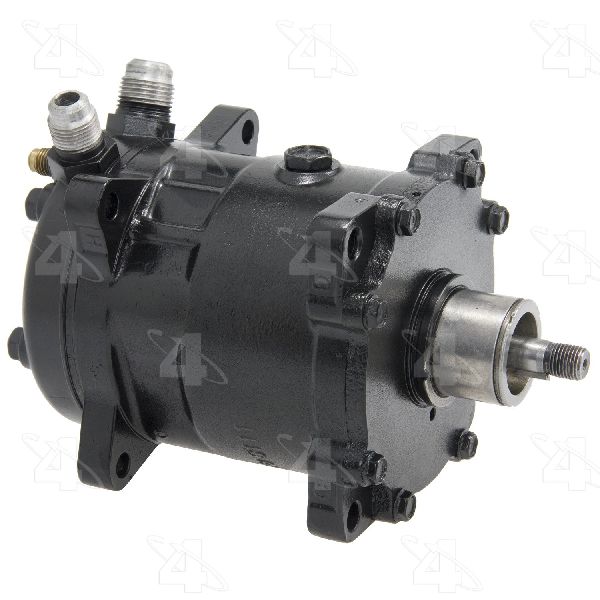
Finding a new original equipment (OEM) A/C compressor for a vehicle from this era is nearly impossible. The good news is that reliable aftermarket brands are available. For your 1979-1983 Mazda 626, you will likely find options from Four Seasons and Global Parts Distributors (GPD).
- Four Seasons: A very well-known brand in the A/C industry, Four Seasons offers new and remanufactured compressors. Reviews can be mixed, with some users reporting long-term success and others experiencing early failures. Quality control can sometimes be a concern with aftermarket parts, but they are a widely available and affordable option.
- Global Parts Distributors (GPD): GPD is another major supplier of aftermarket A/C components. They offer new compressors designed to meet original specifications. Like other aftermarket brands, experiences can vary, but they provide a cost-effective solution for getting your A/C running.
For a classic car, the most important factor is getting a part that fits correctly and is compatible with your refrigerant type. Both Four Seasons and GPD are established brands that offer viable solutions.
Pro Tip: Replace More Than Just the Compressor
When a compressor fails, it can send metal debris throughout the entire A/C system. To prevent your new compressor from failing immediately, you MUST flush the system and replace the receiver/drier (also called an accumulator). Failing to do this is the most common cause of repeat compressor failure and will likely void your warranty.
A/C Compressor Replacement Cost for 1979-1983 Mazda 626
The cost of replacing the A/C compressor involves the part itself and professional labor. This is not a simple DIY job for most owners due to the need for specialized equipment to handle refrigerant.
| Item | Estimated Cost |
|---|---|
| New Aftermarket A/C Compressor | $159.93 - $285.39 |
| Shop Labor (including system evacuation and recharge) | $350 - $600 |
| Total Estimated Cost | $510 - $885 |
Frequently Asked Questions
Can I replace the A/C compressor myself?
It is not recommended for beginners. By law, the refrigerant in the system must be recovered by a certified technician with a special machine before you can open the system. The system must also be properly vacuumed and recharged after the new compressor is installed. Failure to do this correctly will lead to poor performance and damage to the new parts.
What is an A/C compressor clutch?
The clutch is an electromagnetically engaged pulley on the front of the compressor. When you turn the A/C on, the clutch engages, connecting the compressor to the engine's drive belt so it can pump refrigerant. If the clutch fails, the compressor won't turn on, even if the compressor itself is fine.
Do I need to add oil to the new compressor?
Yes, but you must be precise. New compressors may ship with or without oil. You must drain any shipping oil and add the exact amount and type of oil specified for your vehicle's A/C system (PAG oil for R-134a, Mineral oil for R-12). Refer to the service manual or the part manufacturer's instructions. Incorrect oil level is a primary cause of new compressor failure.
Why did my A/C stop working right after I installed a new compressor?
This is often due to improper installation. Common causes include not flushing debris from the old compressor out of the system, not replacing the receiver/drier, or not pulling a deep enough vacuum to remove all moisture before recharging. Any contamination left in the system can quickly ruin the new compressor.
Technical Specifications
Vehicle was originally equipped with an R-12 refrigerant system. Many have been converted to R-134a. The compressor model is often a Sanden SD508 style with a 2-groove pulley. Oil type depends on refrigerant: Mineral oil for R-12, PAG 100 for R-134a conversions. Always verify fitment and system type before purchase.
We Have This Part in Stock

The information in this article is provided for general reference and educational purposes only. Vehicle specifications, procedures, and part compatibility can vary by production date, trim level, and region. Always consult your vehicle's factory service manual and verify part numbers before purchasing or performing repairs. Safety-critical components such as airbags, seat belts, and braking systems should be installed by a qualified professional.
- 🛍️ Shop This Part
- Is Your Mazda 626 A/C Not Working? It Could Be the Compressor.
- Symptoms of a Failing A/C Compressor
- Refrigerant Type is Critical
- Choosing the Right Aftermarket Compressor
- Pro Tip: Replace More Than Just the Compressor
- A/C Compressor Replacement Cost for 1979-1983 Mazda 626
- Frequently Asked Questions
- 🎟️ Get 5% Off