

A/C Receiver Drier Guide for the 1979-1983 Mazda 626
Keep your classic Mazda's air conditioning running cold by understanding this critical A/C part.
- You must determine if your 626 uses its original R-12 refrigerant or has been converted to R-134a before servicing.
- The receiver drier should be replaced every time the A/C system is opened for any repair.
- Replacement is not a DIY job; it requires professional equipment to legally evacuate and recharge the system.
- There are no specific recalls or TSBs for this part; failures are due to age.
Is Your 626 A/C Blowing Warm? It Could Be the Receiver Drier.
If the air conditioning in your classic Mazda 626 isn't as cold as it used to be, a failing A/C receiver drier could be the problem. This component is a common failure point in older A/C systems. Because it is designed to absorb moisture, it has a limited lifespan and must be replaced whenever the A/C system is opened for service.
Symptoms of a Failing A/C Receiver Drier
A bad receiver drier can cause several problems. Look out for these common signs:
- Poor Cooling: The most obvious symptom is warm or lukewarm air from your vents. A clogged drier restricts the flow of refrigerant, preventing the system from cooling properly.
- Moldy Smell: If the drier becomes saturated and can no longer absorb moisture, mold and mildew can grow inside the A/C system, causing a musty smell when you turn on the fan.
- Foggy Windows: A saturated drier can't remove moisture, which can lead to excess humidity in the cabin and windows that fog up easily and are difficult to clear.
- Rattling Noises: If the internal components or the desiccant material inside break apart, you might hear a rattling sound from the engine bay when the A/C is on.
- Visible Leaks or Frost: You might see oily residue from a refrigerant leak around the drier or its fittings. In some cases of a severe clog, you may even see frost forming on the outside of the drier.
R-12 vs. R-134a Refrigerant: A Critical Check
Your 1979-1983 Mazda 626 was originally built with an R-12 refrigerant system. Over the last 40+ years, many of these cars have been converted to the newer R-134a refrigerant. Before buying any A/C parts, you must determine if your system has been converted. Converted systems have different service port fittings. Using the wrong parts or refrigerant can damage your A/C system.
Choosing the Right Aftermarket Drier
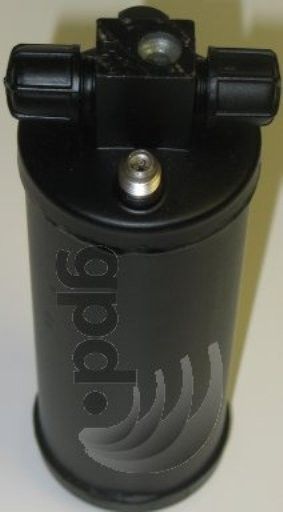
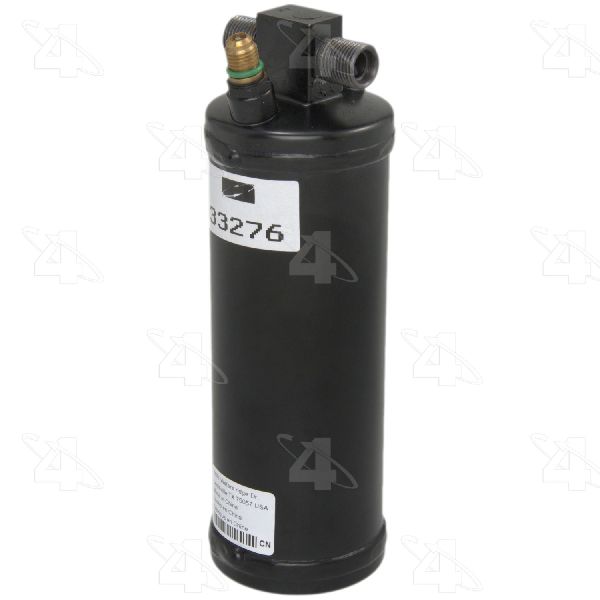
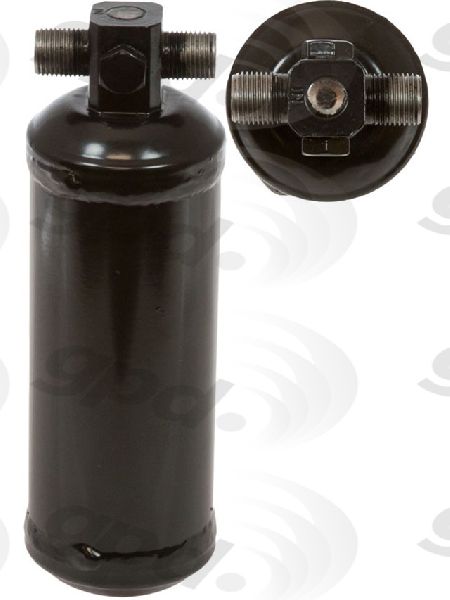
For a vehicle of this age, new original Mazda parts are effectively unavailable. Aftermarket is your only realistic option. Brands like Four Seasons and Global Parts are common choices in the provided price range.
- Brand Reputation: Four Seasons is a widely available aftermarket brand. While some users in online forums consider their parts to be lower-tier, others have had positive experiences, especially with new components. Global Parts (GPD) is another option, though some have reported issues with other components from the brand, like compressor clutches.
- The Bottom Line: For a simple component like a receiver drier in this price range, either brand is likely to perform adequately. The most important factor for a long-lasting repair is not the brand of the drier, but ensuring the A/C system is properly evacuated and recharged by a professional during installation.
Estimated Costs for Replacement
Replacing the receiver drier is more about labor than the cost of the part itself.
| Part/Service | Estimated Cost |
|---|---|
| New Aftermarket Drier | $17.18 - $31.00 |
| Shop Labor (including system evacuation & recharge) | $150 - $300 |
| New OEM Drier | Not Available |
Pro Tip: Always Replace the Drier When the System is Open
It is standard practice to replace the receiver drier any time the A/C system is opened for another repair, such as replacing a hose, condenser, or compressor. The desiccant inside becomes saturated once exposed to atmospheric air. Failing to replace it will lead to poor performance and potential failure of your new parts.
Frequently Asked Questions (FAQ)
Can I replace the A/C receiver drier myself?
This is not recommended for a DIY beginner. Legally, the refrigerant in the system must be recovered by a certified technician with special equipment before you can open the system. The system must also be put under a deep vacuum to remove all air and moisture before being recharged. Failure to do this will cause the new drier to fail and can damage other components.
Are there any recalls or known issues for the 1979-1983 Mazda 626 A/C drier?
No. Searches of the NHTSA database and technical service bulletin (TSB) archives show no specific recalls or service bulletins related to the A/C receiver drier for the 1979-1983 Mazda 626. Any failures today are due to the age and normal wear of the component.
What is desiccant?
Desiccant is the material inside the receiver drier that absorbs water, much like the silica gel packets you find in new shoes or electronics. In an A/C system, this material soaks up any moisture that could otherwise turn to ice or cause corrosion.
Do I need to add oil when I replace the receiver drier?
Yes. Some refrigerant oil is held in the old drier. When you replace it, you must add a small, specific amount of new A/C oil to the new drier to make up for what was lost. The amount and type of oil depend on whether your system is R-12 or R-134a. Check a repair manual for the correct specification for your vehicle.
Technical Specifications
Vehicle was originally equipped with an R-12 A/C system. Check for R-134a conversion before ordering parts.
We Have This Part in Stock

The information in this article is provided for general reference and educational purposes only. Vehicle specifications, procedures, and part compatibility can vary by production date, trim level, and region. Always consult your vehicle's factory service manual and verify part numbers before purchasing or performing repairs. Safety-critical components such as airbags, seat belts, and braking systems should be installed by a qualified professional.
- 🛍️ Shop This Part
- Is Your 626 A/C Blowing Warm? It Could Be the Receiver Drier.
- Symptoms of a Failing A/C Receiver Drier
- R-12 vs. R-134a Refrigerant: A Critical Check
- Choosing the Right Aftermarket Drier
- Estimated Costs for Replacement
- Pro Tip: Always Replace the Drier When the System is Open
- Frequently Asked Questions (FAQ)
- 🎟️ Get 5% Off