

Accessory Drive Belt Guide for the 1979-1983 Mazda 626
Understanding the multiple V-belts on your classic Mazda 626 is key to keeping its accessories running properly.
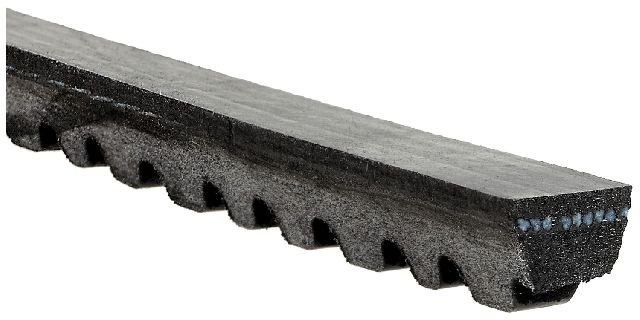
- Your 1979-1983 Mazda 626 uses multiple V-belts, not a single serpentine belt; you must buy the correct belt for each accessory.
- Squealing noises, visible cracks on the belts, and dimming lights or A/C failure are all signs that your belts need replacement.
- It is best practice to replace all accessory belts at the same time, even if only one is showing symptoms of failure.
- Bando and Gates are top-tier aftermarket brands, with Bando being a frequent original supplier for Japanese cars.
Understanding Your 626's V-Belt System
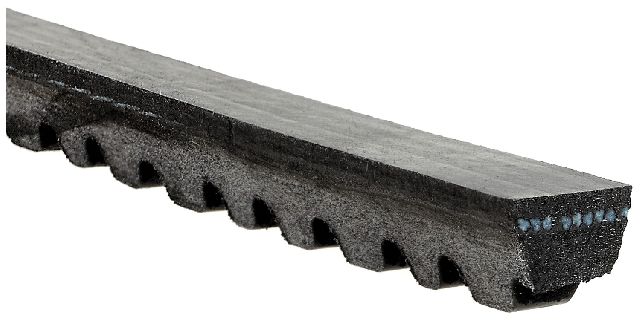
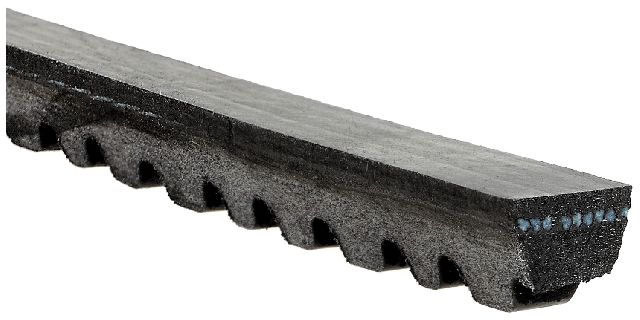
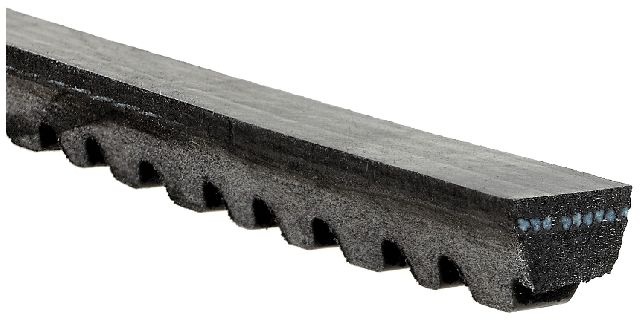
The first-generation Mazda 626 uses a multiple V-belt system. This means there isn't one single belt to change, but several. The exact number of belts depends on your car's options. A base model without air conditioning or power steering will have fewer belts than a fully-equipped model. It is crucial to identify which accessories your car has before ordering to ensure you get the correct set of belts.
Symptoms of a Failing Drive Belt
A failing belt gives several warning signs. Ignoring them can lead to a breakdown if a critical belt, like the one for the alternator or water pump, snaps.
- Squealing Noises: This is the most common symptom. A high-pitched squeal, especially when starting the engine or during acceleration, often means a belt is loose or glazed.
- Visible Damage: Inspect the belts. If you see cracks, splits, fraying, or a shiny, glazed appearance, the belt is old and needs replacement.
- Accessory Problems: If your power steering becomes heavy, the A/C stops blowing cold air, or your battery light comes on, it could be due to a slipping or broken belt.
- Overheating: On some engine configurations, a V-belt also drives the water pump. If this belt fails, the engine can overheat quickly, which is a critical issue.
Critical Failure Warning
If a belt driving the alternator fails, your car will run only until the battery is depleted. If a belt driving the water pump fails, your engine will overheat, potentially causing severe damage. Treat any belt-related symptom seriously.
Choosing the Right Aftermarket Belts
For a vehicle of this age, new OEM (Original Equipment Manufacturer) belts are likely unavailable. However, the aftermarket offers excellent, high-quality options. The key is buying the correct size and type for each accessory. All the brands available—Bando, Continental, Dayco, and Gates—are reputable manufacturers.
| Tier | Brands | Quality Assessment |
|---|---|---|
| Excellent / OEM Supplier | Bando, Gates | Bando is a known OEM supplier for many Japanese automakers, making their belts a top choice for fit and durability. Gates is a highly respected aftermarket brand known for quality that often meets or exceeds OEM specifications. |
| Very Good | Continental | Continental (sometimes branded as ContiTech) is another major OEM supplier and a top name in the aftermarket, known for quiet operation and reliability. |
| Good | Dayco | Dayco produces reliable belts and is also an OEM supplier. While some mechanics have personal preferences for other brands, Dayco belts are a solid, dependable choice. |
Pro Tip: Replace as a Set
It is highly recommended to replace all accessory drive belts at the same time. They have all been exposed to the same conditions and age. Replacing them together saves you from having to do the job again in a few months when the next old belt fails.
Frequently Asked Questions (FAQ)
How many belts does my 1979-1983 Mazda 626 have?
It depends on the options. Your car could have anywhere from one to three or more V-belts. You need to visually inspect your engine to see which accessories are driven by belts (e.g., alternator, power steering, A/C compressor) to determine the exact number and type you need.
Can I replace just the one belt that is squealing?
You can, but it's not recommended. If one belt is old enough to fail, the others are likely near the end of their life too. It is best practice to replace all the V-belts at once to ensure reliability and save on future labor.
Is it difficult to replace the drive belts myself?
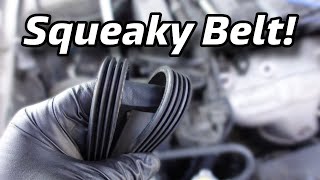
For a mechanically inclined person with basic tools, replacing V-belts on this engine is a very feasible DIY job. It involves loosening the accessory (like the alternator), removing the old belt, installing the new one, and then properly tensioning it. A video for a similar Mazda shows the general process of loosening components to release tension. The difficulty 🎬 Watch this step-by-step guide on replacing your Mazda 626 belts. is rated as low.
What does "belt tension" mean?
Tension is how tight the belt is. A belt that is too loose will slip and squeal, and won't power the accessory correctly. A belt that is too tight can cause damage to the bearings in the accessory or the engine's water pump. After installation, the belt should have a small amount of deflection when you press on it in the middle of its longest span.
Are there any recalls for the drive belts on my Mazda 626?
No, there are no specific recalls or Technical Service Bulletins (TSBs) related to the accessory drive belts for the 1979-1983 Mazda 626. Searches on the NHTSA database did not show any relevant actions for this specific part and year range.
Helpful Videos
Technical Specifications
System Type: Multiple V-Belts. The exact number and length of belts depend on the specific accessories (Air Conditioning, Power Steering) equipped on the vehicle.
We Have This Part in Stock

The information in this article is provided for general reference and educational purposes only. Vehicle specifications, procedures, and part compatibility can vary by production date, trim level, and region. Always consult your vehicle's factory service manual and verify part numbers before purchasing or performing repairs. Safety-critical components such as airbags, seat belts, and braking systems should be installed by a qualified professional.