

Nissan 280ZX Engine Coolant Temperature Sensor Guide (1979-1983)
Understanding the critical temperature sensors in your 280ZX is key to solving many common engine running problems.
- First, identify if you need the two-wire ECU sensor for engine performance or the one-wire gauge sender.
- A bad ECU sensor is a very common cause of running rich, poor fuel economy, and black smoke on a 280ZX.
- For the critical ECU sensor, choose a quality aftermarket brand like Beck Arnley or Standard Ignition for accuracy.
- Replacement is simple for a DIY mechanic and requires only basic tools, but be prepared for some coolant to spill.
The Most Important Sensor for Your Fuel Injection

The Engine Coolant Temperature Sensor (ECTS) is arguably the most critical sensor for the L-Jetronic fuel injection system in your 1979-1983 280ZX. This small part has a huge impact on how your engine runs. It acts like a thermometer for the car's computer (ECU). When the engine is cold, the sensor tells the ECU to add more fuel for a smooth start and warm-up. As the engine warms up, the sensor signals the ECU to use less fuel, improving gas mileage and performance. A faulty sensor can lead to a host of problems that are often misdiagnosed.
Know Which Sensor You Need
Before buying, you must know if you need the Engine Coolant Temperature Sensor (for the ECU, two-wire plug) or the Water Temperature Sender (for the dash gauge, one-wire plug). They are not interchangeable. This guide is about the two-wire sensor that affects engine performance.
Choosing the Right Aftermarket Sensor

For a classic car like the 280ZX, the quality of electronic parts matters. The ECU needs an accurate temperature reading to calculate the right fuel mixture. While many brands are available, they fall into different quality tiers.
Premium Aftermarket (Recommended for ECU Sensor):
- Beck Arnley: This brand specializes in parts for foreign nameplates and aims to meet OE (Original Equipment) specifications for fit and function. They are often a trusted choice for Japanese vehicles.
- Standard Ignition (SMP): A well-regarded manufacturer known for producing quality electronic components. Their sensors are typically built to high standards with tight tolerances.
Standard & Value Aftermarket:
- Four Seasons / Walker Products: These brands offer a balance of quality and price and are generally reliable for most applications.
- Motorad: A common aftermarket brand that provides functional replacements at a competitive price.
Economy Aftermarket:
- URO Parts / True Tech: These brands are often the most affordable. While some URO parts are perfectly fine, their quality can be inconsistent, especially for critical electronic sensors. For a sensor this important to your 280ZX's engine management, it's often better to invest in a premium brand to avoid future headaches.
Pro Tip: For the two-wire ECU sensor, spending a few extra dollars on a premium brand like Beck Arnley or Standard Ignition is a wise investment. An inaccurate sensor can cost you more in the long run through poor fuel economy and potential engine issues.
Cost of Replacing a 280ZX Temp Sensor

| Part Type | Estimated Cost |
|---|---|
| New Aftermarket | $10 - $86 |
| New OEM (Nissan) | $28 - $70 (if available) |
| Shop Labor | $50 - $100 |
Frequently Asked Questions (FAQ)

Why does my 280ZX have two temperature sensors?
One sensor is for the ECU to control the engine's fuel mixture (the ECTS), and the other is for the temperature gauge on your dashboard (the sender). They operate independently. The ECU needs a very precise reading, while the gauge sender is less sensitive.
Where are these sensors located on my 280ZX?
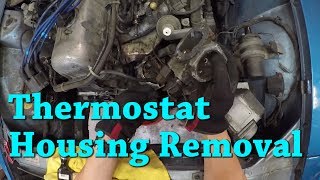
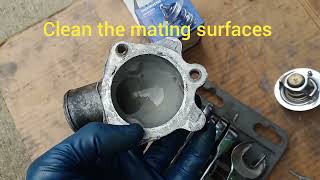
Both sensors are typically located in or near the thermostat housing at the front of the engine. The two-wire ECTS for the ECU is often on the thermostat housing itself. 🎬 Watch: How to remove the thermostat housing to access sensors On some later or turbo models, the primary sensor for the ECU might be a Cylinder Head Temperature Sensor (CHTS) located on the passenger side of the cylinder head. Always verify the location on your specific car.
Can I test my old sensor before replacing it?
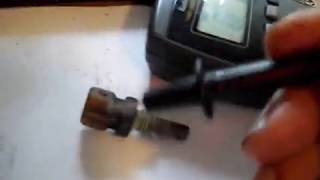
Yes. You can test the sensor's resistance with a multimeter. 🎬 Watch: How to test your sensor using a multimeter The resistance should change smoothly as the engine warms up. You can find the correct resistance specifications for cold and hot temperatures in the 1983 280ZX Factory Service Manual.
Will a new sensor fix my car running rich and smoking?
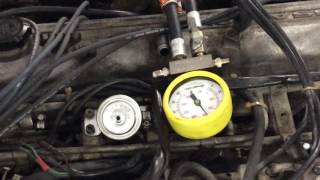
It is a very common cause. If the ECU sensor fails, it often tells the computer the engine is permanently cold, causing it to inject too much fuel. This results in a rich fuel mixture, black smoke from the exhaust, poor fuel economy, and rough running when warm. 🎬 See a 280ZX running rich due to sensor issues However, if a new sensor doesn't fix it, you may need to check the air flow meter, cold start valve, or fuel pressure regulator.
Helpful Videos

Technical Specifications
OEM Part Numbers: 22630-N4200 22630-P8100
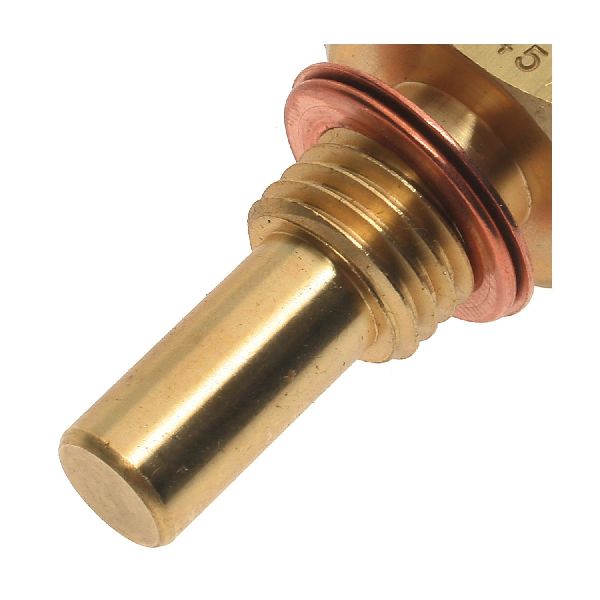
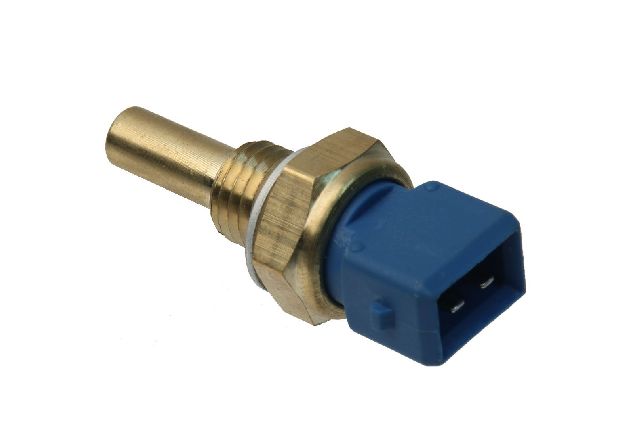
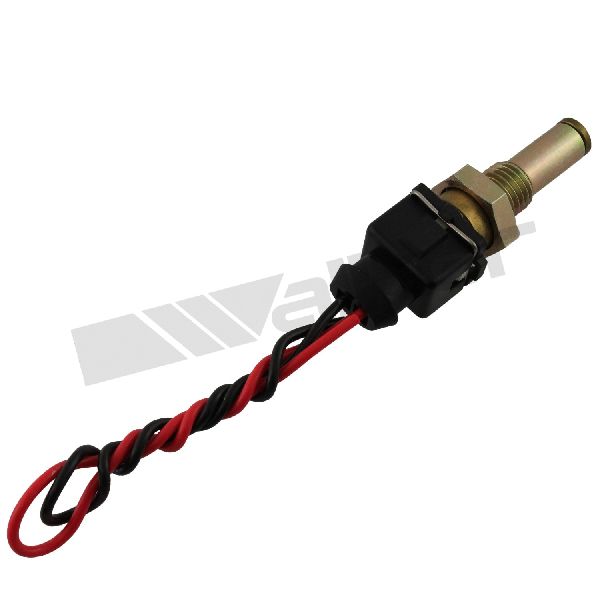
The Engine Coolant Temperature Sensor for the ECU has a two-wire rectangular connector. The Water Temperature Sender for the gauge typically has a single spade or bullet-style connector.
We Have This Part in Stock


The information in this article is provided for general reference and educational purposes only. Vehicle specifications, procedures, and part compatibility can vary by production date, trim level, and region. Always consult your vehicle's factory service manual and verify part numbers before purchasing or performing repairs. Safety-critical components such as airbags, seat belts, and braking systems should be installed by a qualified professional.