

1979-1984 Chevrolet Caprice Engine Coolant Temperature Sensor and Sender Guide
If the temperature gauge on your dash is acting up, the coolant temperature sensor is the most likely reason.
- A bad temperature gauge reading is the #1 symptom of a failing sensor on this Caprice.
- Replacement is very easy and can be done in under 30 minutes with basic tools.
- Driving without a working temperature gauge puts your engine at risk of severe damage from overheating.
- Choose a quality aftermarket brand like NGK or Standard Ignition to ensure the new sensor provides accurate readings.
Is your temperature gauge broken? It might be this simple sensor.
For the 1979-1984 Chevrolet Caprice, the engine coolant temperature sensor is a common part that fails over time. Its main job is to tell the gauge on your dashboard how hot the engine is running. When it goes bad, your gauge might stop working, read incorrectly, or stay stuck on hot or cold. This can be dangerous because you won't know if your engine is actually overheating. Fortunately, this is an inexpensive and easy part to replace yourself.
Symptoms of a Bad Coolant Temperature Sensor
Because these classic Caprice models have simpler electronics, the most obvious signs of failure will be on your dashboard. However, on models with an engine computer, you may notice other issues.
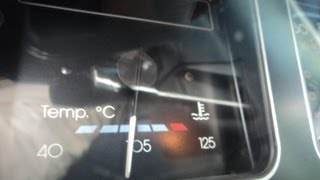
- Inaccurate or Dead Temperature Gauge: This is the most common symptom. The gauge may not move at all, it might shoot straight to "Hot" as soon as you start the car, or it may stay on "Cold" even when the engine is warm.
- Engine Overheating: A faulty sensor might not tell you the engine is running hot. If you notice steam from the engine bay or other signs of overheating, but your gauge reads normal, the sensor could be giving a false reading.
- Poor Fuel Economy: On computer-controlled models, a sensor that is stuck reading "cold" will tell the computer to send extra fuel to the engine, hurting your gas mileage.
- Black Smoke from Exhaust: This is another symptom on computer-controlled engines. If the computer thinks the engine is cold, it will create a rich fuel mixture. Unburned fuel then burns in the exhaust, creating black smoke.
Don't Ignore a Faulty Sensor
Driving without a working temperature gauge is a risk. You have no way of knowing if your engine is overheating, which can lead to severe and expensive damage like a warped cylinder head or blown head gasket.
Choosing the Right Aftermarket Sensor
For a vehicle of this age, finding a brand-new OEM part from GM is unlikely. Aftermarket parts are your best bet. Quality is important, as a poorly made sensor can provide inaccurate readings. Brands can be grouped into tiers based on general reputation and quality.
| Brand Tier | Brands | General Assessment |
|---|---|---|
| Premium Aftermarket | Standard Ignition (SMP), NGK (NTK) | These brands are well-known leaders in engine management parts. They often use high-quality materials and design their parts to meet or exceed original specifications, making them a reliable choice for accurate temperature readings. |
| Standard Aftermarket | Four Seasons, Motorad | These are established brands that offer a good balance of quality and value. While some forum users have mixed reviews on other parts from these brands, their sensors are generally considered a solid replacement for a daily driver. |
| Economy Aftermarket | Holstein, Global Parts, True Tech | These brands provide a budget-friendly option. Holstein, for example, markets itself as an OE-equivalent part at a lower cost with a good warranty. They can be a good choice if cost is the primary concern, but long-term reliability may vary compared to premium brands. |
Pro Tip: Check Your Connections First
Before you buy a new sensor, check the single wire that connects to it. On these GM vehicles, the wire connector can become corroded or loose, causing the gauge to stop working. Sometimes, just cleaning the connector and making sure it's secure 🎬 Watch: Troubleshooting the coolant temperature circuit on GM vehicles can fix the problem.
Frequently Asked Questions (FAQ)
Where is the coolant temperature sensor located on a 1979-1984 Caprice?
The sensor is typically screwed into the engine's intake manifold, near the thermostat housing at the front of the engine, or sometimes into the side of a cylinder head between the spark plugs. It will have a single wire connected to the top.
Can I test my old sensor before replacing it?
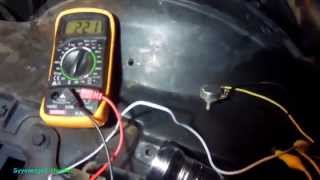
Yes. An old GM sensor's resistance should be high when cold (around 1300-1400 ohms) and very low when hot (under 100 ohms). You can test this with a multimeter. Another simple test is to ground the sensor's wire with the key on; the temperature gauge should swing all the way to hot. If it does, the gauge and wire are good, and the sensor is likely bad.
🎬 See how to test your temperature gauge and sending unitWhat happens if I don't replace a bad sensor?
The biggest risk is engine damage from overheating. If the sensor fails to report that the engine is getting too hot, you won't know to pull over. On computer-controlled models, it can also lead to persistently poor engine performance and fuel economy.
Is this the same as a temperature switch?
No. A temperature sensor or sender provides a variable reading for a gauge. A temperature switch is an on/off device used to trigger a warning light or turn on an electric cooling fan at a specific temperature. Your Caprice may have both, so be sure you are replacing the correct part for the gauge.
🎬 Watch this walkthrough of a Chevy V8 coolant sensor replacementHelpful Videos

Technical Specifications
OEM Part Numbers: 1513321 12334869 8993107
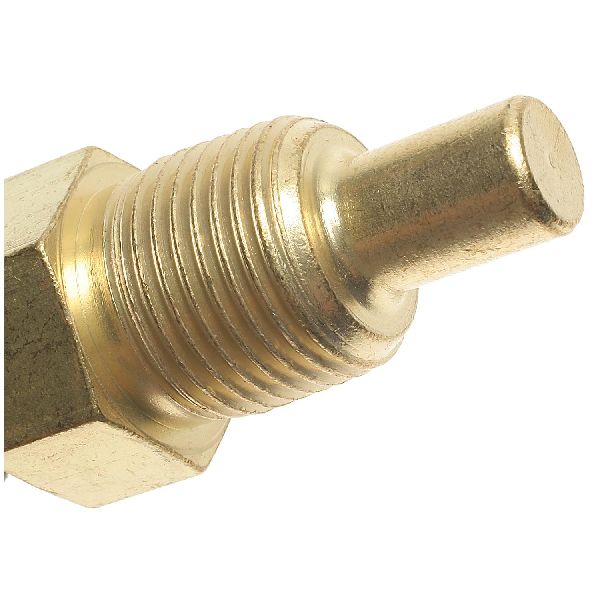
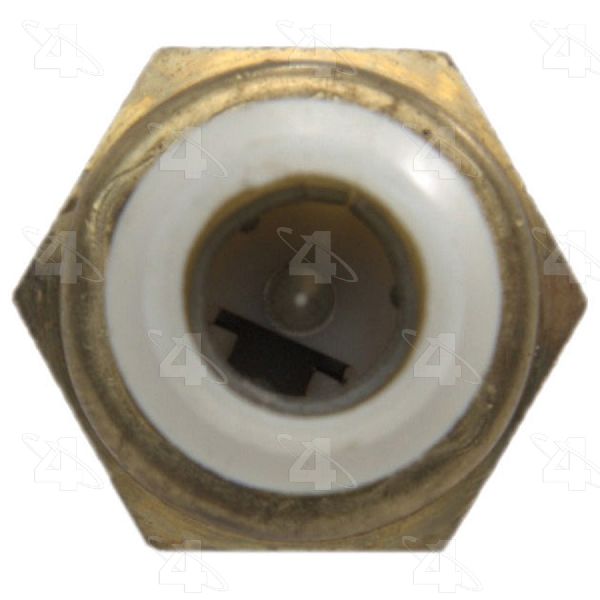
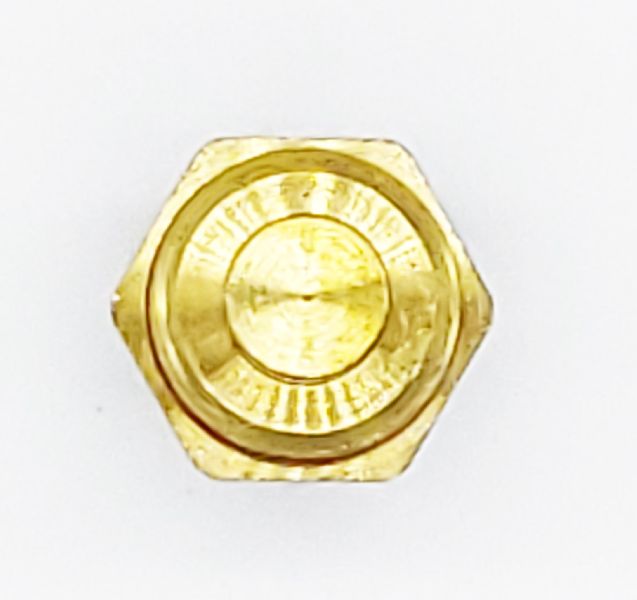
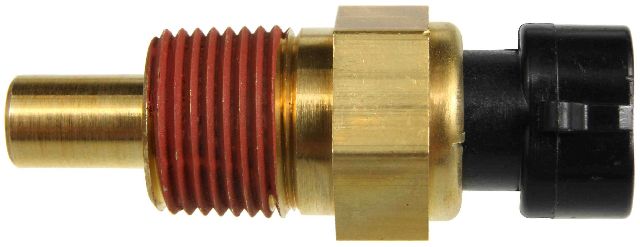
Typically features a single blade (spade) or nail-head terminal and a 3/8" NPT thread size. Operates as a thermistor, where electrical resistance changes based on temperature.
We Have This Part in Stock



The information in this article is provided for general reference and educational purposes only. Vehicle specifications, procedures, and part compatibility can vary by production date, trim level, and region. Always consult your vehicle's factory service manual and verify part numbers before purchasing or performing repairs. Safety-critical components such as airbags, seat belts, and braking systems should be installed by a qualified professional.