

Engine Coolant Temperature Sensor Guide for the 1979-1984 Chevrolet Impala
Understand the symptoms of a failing temperature sensor and choose the right replacement for your classic Impala.
- Verify if you need the ECT 'sensor' (for the computer) or the temperature 'sender' (for the gauge).
- Symptoms like poor MPG, black smoke, and overheating are strong indicators of a faulty sensor.
- This is an easy and inexpensive DIY replacement that can be done in under 30 minutes with basic tools.
- For long-term reliability, choosing a premium aftermarket brand like Standard Ignition or NGK is recommended over budget options.
Is your 1979-1984 Impala running rough? A bad coolant temperature sensor could be the culprit.
A faulty Engine Coolant Temperature (ECT) sensor can cause a surprising number of problems, from bad gas mileage to a car that won't run right. Because this sensor provides critical data to your Impala's engine computer, a bad signal can throw everything off. This guide will help you identify the symptoms and choose a quality aftermarket replacement.
Symptoms of a Failing ECT Sensor
When an ECT sensor fails, it usually gets stuck sending either a "cold" or "hot" signal. This tricks the engine's computer, leading to noticeable problems.
- Poor Fuel Economy: If the sensor is stuck on "cold," the computer will continuously send extra fuel to the engine, thinking it's still warming up. This rich fuel mixture wastes gas.
- Black Smoke from Exhaust: A constantly rich fuel mixture can lead to unburned fuel igniting in the exhaust pipe, which produces black smoke.
- Engine Overheating: If the sensor fails to report that the engine is getting hot, it may not trigger the electric cooling fans (if equipped), leading to overheating.
- Rough Idle and Stalling: An incorrect fuel mixture can make your Impala's engine idle poorly, shake, or even stall.
- Hard Starting: The engine needs a specific fuel mixture to start properly. A bad sensor signal can make the engine difficult to start, especially when it's already warm.
- Check Engine Light: On later models in this year range with computer controls, a faulty sensor will often trigger the Check Engine Light.
Sensor vs. Sender: What's the Difference?
For this generation of Impala, it's important to know which part you're replacing. The Engine Coolant Temperature Sensor sends information to the engine computer. The Engine Coolant Temperature Sender (or sending unit) sends information to the temperature gauge or warning light on your dashboard. They are often two different parts. Make sure you are ordering the correct one for the problem you're having.
Choosing the Right Aftermarket ECT Sensor
While an OEM ACDelco part is always a safe bet, several quality aftermarket options are available. For a critical sensor like this, it's often worth avoiding the absolute cheapest options to ensure reliability.
- Premium Aftermarket (NGK, Standard Ignition): Brands like NGK and Standard Motor Products (SMP) have a strong reputation for producing reliable electronic components that meet or exceed OEM specifications. They are a solid choice for a balance of quality and price.
- Standard Aftermarket (Holstein, Global Parts): Holstein is generally considered a decent budget-friendly brand, often a step above basic store brands.
- Economy Brands (Four Seasons, Motorad): While attractively priced, brands like Motorad have a mixed reputation in enthusiast forums, with some users reporting premature failures. These may be suitable for a temporary fix, but a premium brand is recommended for long-term reliability.
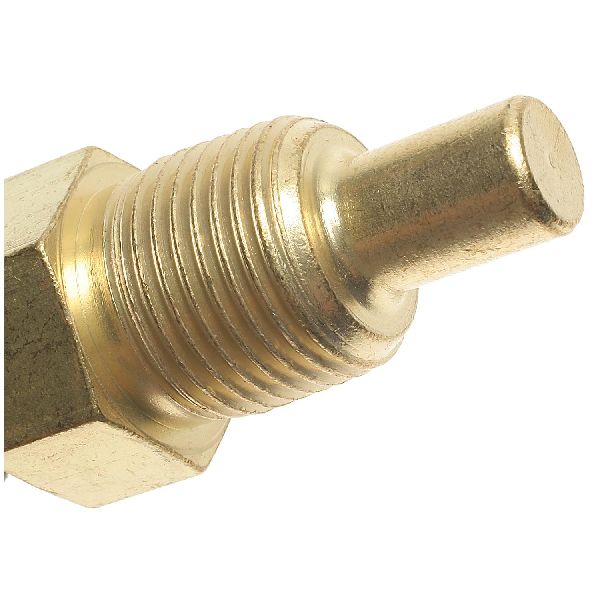
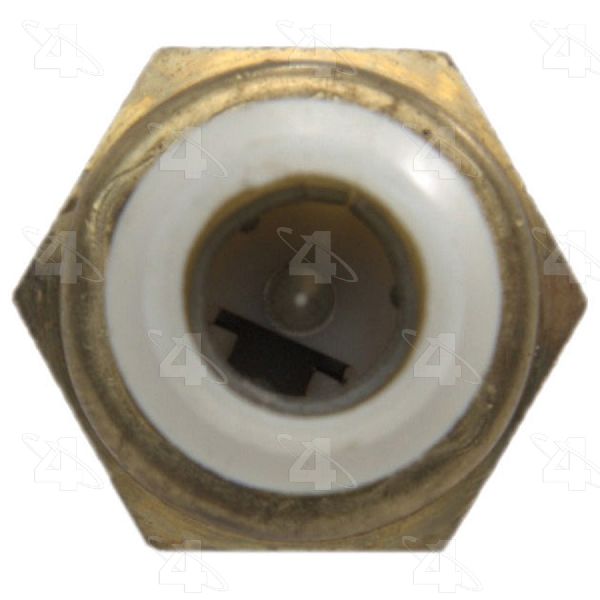
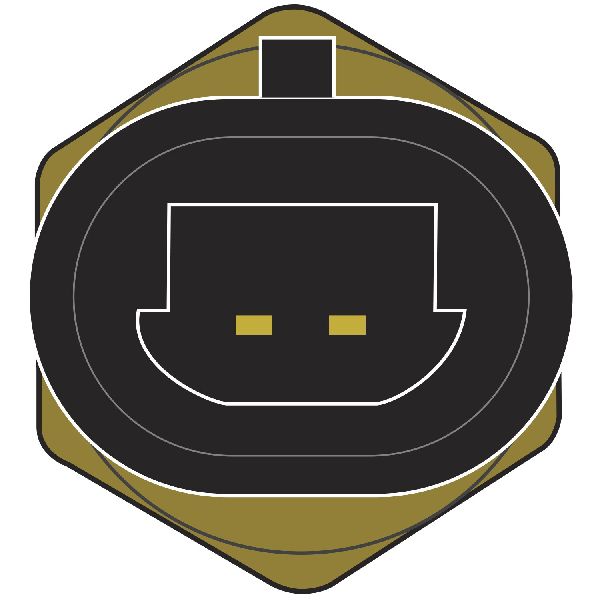
Pro Tip: Before ordering, check if your Impala's sensor uses a single-wire or two-wire connector, as this can vary by year and engine. Replacing the connector at the same time is good practice if the old one is brittle or corroded.
New Aftermarket ECT Sensor Cost for 1979-1984 Impala
| Brand Tier | Part Cost |
|---|---|
| Economy (Four Seasons, Motorad) | $12 - $20 |
| Standard (Holstein, Global Parts) | $18 - $28 |
| Premium (NGK, Standard Ignition) | $25 - $35+ |
Note: Prices are estimates and can vary by retailer and specific part number.
Frequently Asked Questions
Where is the ECT sensor located on a 1979-1984 Impala?
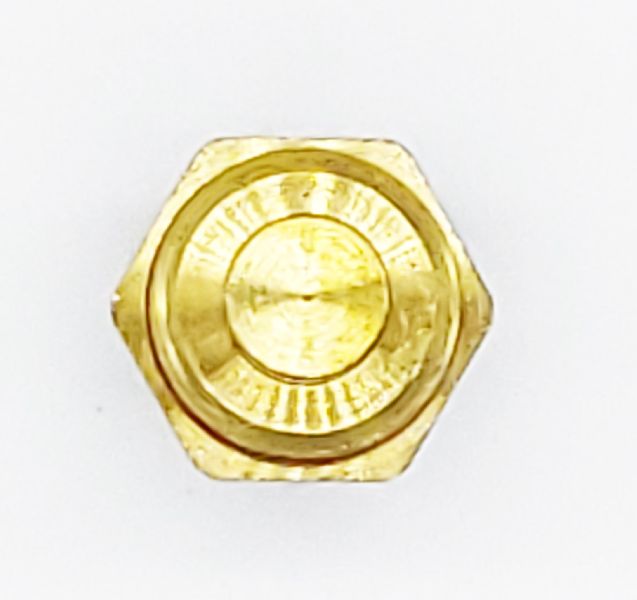
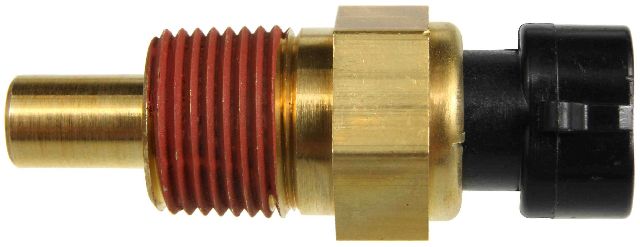
The ECT sensor is typically screwed into the intake manifold or the cylinder head, usually near the thermostat housing where coolant flow is consistent. Look for a small brass or plastic sensor with one or two wires coming out of it.
Can I replace this sensor myself?
Yes, this is a very DIY-friendly job. It usually requires only basic hand tools. The process involves disconnecting the battery, unplugging the sensor, and using a wrench or deep socket to unscrew it. Have the new sensor ready to screw in quickly to minimize coolant loss. It's best to perform the replacement on a cold engine.
What happens if I don't replace a bad ECT sensor?
Ignoring a bad ECT sensor can lead to more serious problems. Continuously running rich can foul spark plugs and damage the catalytic converter over time. More critically, if the sensor fails to detect an overheating condition, it can lead to severe engine damage like a blown head gasket or warped cylinder head.
My temperature gauge doesn't work. Is that the ECT sensor?
Not necessarily. On these Impalas, the dashboard gauge is usually operated by a separate part called a temperature sender or sending unit. The ECT sensor reports to the engine computer. If your gauge is the problem, you need the sender. If you have performance issues like bad mileage or a rough idle, you likely need the sensor.
Technical Specifications
OEM Part Numbers: 12636534
The primary specification to verify is the electrical connector type. Depending on the year and engine (V6 or V8), the 1979-1984 Impala may use a 1-wire or 2-wire sensor. Always visually match the new part to the old one before installation.
We Have This Part in Stock


The information in this article is provided for general reference and educational purposes only. Vehicle specifications, procedures, and part compatibility can vary by production date, trim level, and region. Always consult your vehicle's factory service manual and verify part numbers before purchasing or performing repairs. Safety-critical components such as airbags, seat belts, and braking systems should be installed by a qualified professional.
- 🛍️ Shop This Part
- Is your 1979-1984 Impala running rough? A bad coolant temperature sensor could be the culprit.
- Symptoms of a Failing ECT Sensor
- Sensor vs. Sender: What's the Difference?
- Choosing the Right Aftermarket ECT Sensor
- New Aftermarket ECT Sensor Cost for 1979-1984 Impala
- Frequently Asked Questions
- 🎟️ Get 5% Off